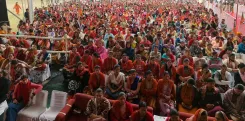
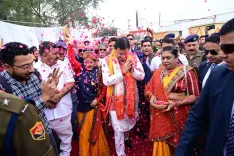
CM Manik Saha Witnesses PM Modi Inaugurate 6 EMRS in Tripura
Synopsis
PM Narendra Modi virtually inaugurated four Ekalavya Model Residential Schools and commenced two more in Tripura on November 15, 2026, expanding quality residential education for Scheduled Tribe students across six interior locations, as CM Dr. Manik Saha and Union Minister Jual Oram attended the event.
Key Takeaways
Six EMRS locations added to Tripura's tribal education network: Ompi, Manu, Hezamara, Chawmanu (inaugurated) and Mandwi, Amarpur (commenced).
PM Narendra Modi performed the virtual inauguration; Union Minister of Tribal Affairs Jual Oram was present at the event.
The Ekalavya Model Residential School scheme has been operational since 1997-98 , targeting Scheduled Tribe children in remote areas with fully residential schooling.
A 2018-19 revamp set a national target of 440 new EMRS with upgraded infrastructure and increased central funding.
Tripura has a significant Scheduled Tribe population spread across difficult terrain, making residential schooling a critical access solution.
Key metrics to watch: enrollment numbers, teacher recruitment, and academic outcomes in the new schools over the next academic year.
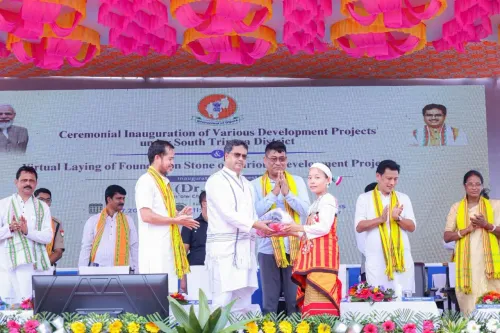
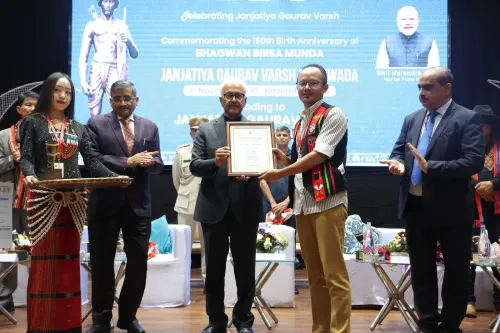
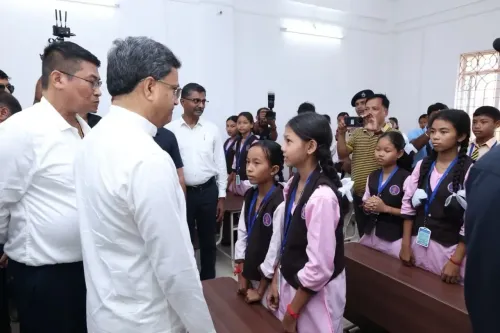
Six new schools. Thousands of tribal children. And a promise that geography will no longer be a barrier to ambition. Tripura Chief Minister Dr. Manik Saha on Sunday, November 15, 2026, witnessed the virtual inauguration of four Ekalavya Model Residential Schools — at Ompi, Manu, Hezamara, and Chawmanu — alongside the commencement of two more at Mandwi and Amarpur, by Prime Minister Narendra Modi, in the presence of Union Minister of Tribal Affairs Jual Oram.
Six schools, six communities: what just opened in Tripura
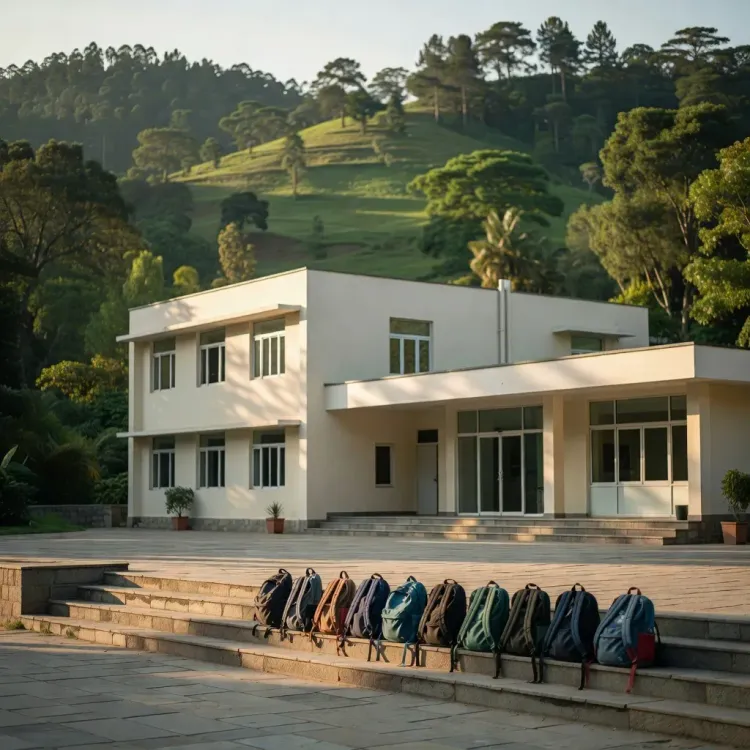
The Ekalavya Model Residential School scheme — running since 1997-98 under the Ministry of Tribal Affairs — was designed precisely for this moment: reaching Scheduled Tribe children in regions where quality schooling has historically been out of reach. The six locations now joining the network span Tripura's interior, covering communities that have long depended on under-resourced local schools or boarding arrangements far from home.
A 2018-19 revamp of the scheme raised central funding and set an ambitious target of 440 new EMRS across the country, with upgraded infrastructure standards. Today's additions in Tripura are part of that larger national push — and they arrive in a state where tribal communities make up a substantial share of the population.
What EMRS means for a tribal student in a remote village
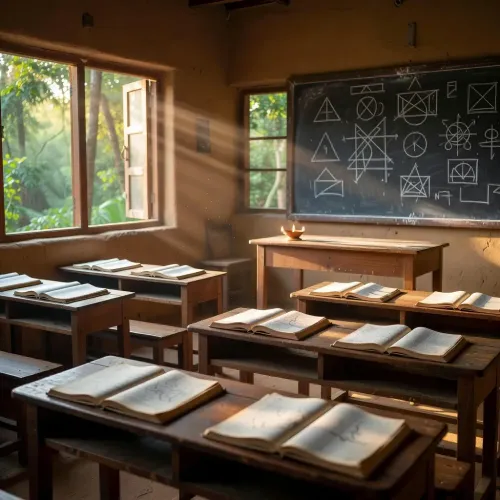
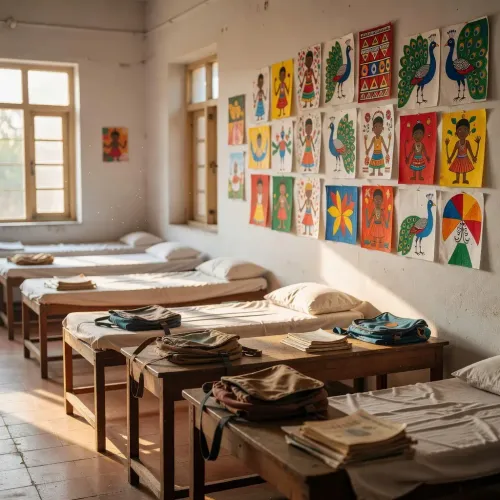
The model is residential by design — not incidental. Children live on campus, removing the daily commute that defeats attendance in hill and forest terrain. The schools provide meals, accommodation, and structured academics alongside vocational exposure, aiming to deliver outcomes comparable to urban institutions. CM Saha described the schools as institutions that will 'provide a supportive learning environment, empowering our tribal youth with knowledge, skills and confidence to realise their aspirations.'
That framing matters. EMRS graduates are eligible for the same competitive examinations as any other student — the residential model is built to close the preparation gap, not just the access gap.
Tripura's tribal education landscape and what comes next
Tripura has one of northeastern India's most significant Scheduled Tribe populations, spread across terrain that makes conventional schooling logistics genuinely difficult. The expansion of the EMRS network here is consistent with a broader central government pattern of using the scheme as the primary vehicle for tribal education investment — alongside scholarships, hostels, and skill development programmes across the northeast.
The real test, as with every new school in this network, will come in the months ahead: enrollment figures, teacher recruitment timelines, and whether academic outcomes begin to reflect the infrastructure investment. Those numbers will tell the fuller story of what was inaugurated today.
Six schools opened on a Sunday afternoon. The children who walk through those gates next term will be the ones to judge whether the promise held.
Point of View
Particularly in northeastern states where geography amplifies disadvantage. The 2018-19 revamp gave the scheme both scale and visibility, and each new opening is as much a political signal — to tribal constituencies — as it is an administrative milestone. What this event does not resolve is the persistent gap between school inauguration and school performance; EMRS campuses across India have faced varied outcomes on teacher vacancies and board results, making the follow-through in Tripura worth watching. For CM Saha, associating the state government closely with a central scheme delivering visible infrastructure reinforces the BJP's tribal outreach in a state where that demographic is electorally significant.
NationPress
15 Nov 2026
Frequently Asked Questions
What is an Ekalavya Model Residential School (EMRS)?
An Ekalavya Model Residential School is a central government scheme under the Ministry of Tribal Affairs that provides fully residential, quality education to Scheduled Tribe children in remote and geographically isolated areas of India. The scheme was launched in 1997-98 and was significantly expanded from 2018-19 with a target of 440 new schools.
Which EMRS were inaugurated in Tripura on November 15, 2026?
PM Narendra Modi virtually inaugurated four EMRS at Ompi, Manu, Hezamara, and Chawmanu, and commenced two more at Mandwi and Amarpur — a total of six new Ekalavya Model Residential Schools in Tripura.
Who attended the EMRS inauguration event in Tripura?
Tripura Chief Minister Dr. Manik Saha witnessed the virtual inauguration by PM Narendra Modi. Union Minister of Tribal Affairs Jual Oram was also present at the event.
How does the EMRS scheme benefit tribal students?
EMRS schools are residential, meaning students live on campus — removing the barrier of daily commutes through difficult terrain. They provide meals, accommodation, structured academics, and vocational exposure, aiming to bring educational outcomes for tribal children on par with urban institutions.
How many EMRS does India plan to build under the expanded scheme?
Following a 2018-19 revamp of the scheme, the central government set a target of 440 new Ekalavya Model Residential Schools nationwide, with upgraded infrastructure standards and increased central funding.