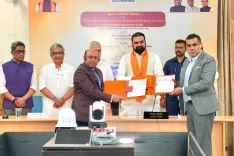
CM Mann Hands Out 2,800 Ration Depot Licences in Punjab
Synopsis
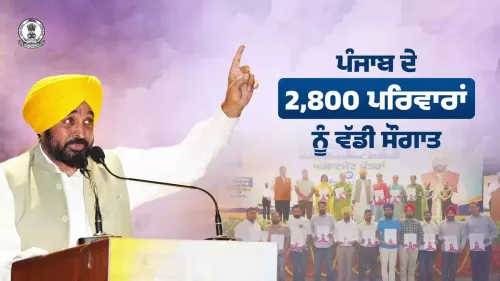
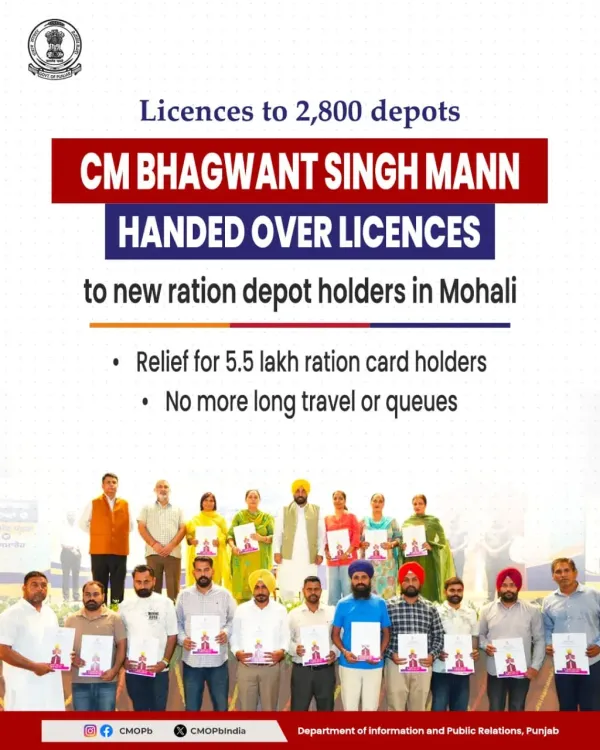
Chief Minister Bhagwant Mann handed licences to 2,800 new ration depot holders at Vikas Bhawan, Mohali, on 17 July 2026. The move, under an interview-based selection process with reserved categories, aims to benefit 5.5 lakh ration card holders by bringing food supplies closer to their homes.
Key Takeaways
2,800 new ration depot licences were distributed by CM Bhagwant Mann at Vikas Bhawan, Mohali on 17 July 2026 .
The expansion is expected to benefit nearly 5.5 lakh ration card holders across Punjab.
Depot allotments were made through an interview-based selection process , marking a departure from previous practices.
Reserved categories include SC, OBC, ex-servicemen, freedom fighters, persons with disabilities , and riot-affected families .
The move aligns Punjab's PDS with the National Food Security Act, 2013 and broader national efforts at last-mile delivery reform.
Monitoring of offtake volumes and grievance redressal from new depots will determine the reform's on-ground impact.
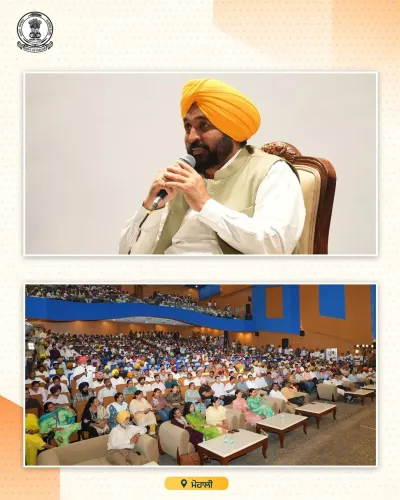
The Chief Minister's Office of Punjab announced on Friday, 17 July 2026 that Chief Minister Bhagwant Mann handed over licences to 2,800 new ration depot holders at a programme held at Vikas Bhawan, Mohali, in a move the government says will bring essential food supplies closer to people's homes across the state.
Context
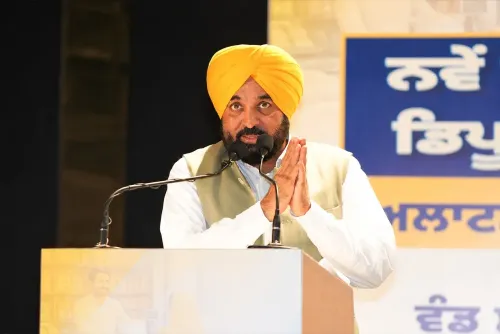
The licence distribution event marks one of the largest single-day expansions of Punjab's fair price shop network in recent years. According to the Chief Minister's Office, the move is expected to benefit nearly 5.5 lakh ration card holders, who will no longer need to travel long distances or take time off work to collect their monthly ration. Mann described the licences at the event as 'ek pavitra zimmedari' — 'a sacred responsibility to serve the people with honesty, fairness and compassion.'
Policy Backdrop
Punjab's public distribution system operates under the framework of the National Food Security Act, 2013, which legally entitles priority households to subsidised food grains. The state began digitising its fair price shop operations and seeding ration cards with Aadhaar from 2017 onward to reduce leakages and improve accountability in the supply chain.
The current expansion follows a broader national pattern in which state governments have decentralised fair price shops and introduced category-based reservations in depot allotments to improve last-mile access. States such as Chhattisgarh and Odisha have combined transparent selection processes with technology to monitor grain offtake and curb diversion.
Stakeholders and Impact
The Punjab government says the new depots were allotted through an interview-based selection process designed to ensure representation across all sections of society. Reserved categories include Scheduled Castes (SC), Other Backward Classes (OBCs), ex-servicemen, freedom fighters, persons with disabilities, and riot-affected families. Officials described the approach as a transparent and inclusive departure from previous allotment practices.
For beneficiaries, the practical impact is reduced travel time and greater regularity in accessing monthly rations. For the newly appointed depot holders — drawn from marginalised and service communities — the licences represent a livelihood opportunity backed by a government-assured supply chain.
What's Next
The effectiveness of the expansion will depend on how quickly the new depots become operational and how consistently grain offtake is monitored. Analysts and welfare observers will watch for grievance redressal mechanisms and monthly offtake reports from the expanded network. Any future Punjab state budget announcements on further widening the PDS network will signal how central this reform is to the Aam Aadmi Party government's welfare agenda heading into the next electoral cycle.
Point of View
Using PDS expansion as a visible proof point of grassroots governance. The interview-based, category-reserved allotment model is a calculated move to neutralise criticism of patronage in depot allocations — a long-standing vulnerability in Punjab's PDS history. By explicitly including riot-affected families alongside SC and OBC communities, the government is also signalling outreach to communities whose political loyalties remain contested. Whether the reform translates into measurable reductions in grain diversion will ultimately define its legacy beyond the headline number.
NationPress
17 Jul 2026
Frequently Asked Questions
How many ration depot licences did CM Bhagwant Mann distribute in Punjab?
CM Bhagwant Mann distributed licences to 2,800 new ration depot holders at an event held at Vikas Bhawan, Mohali, on 17 July 2026.
Who will benefit from Punjab's new ration depot expansion?
Nearly 5.5 lakh ration card holders across Punjab are expected to benefit, as the new depots bring food distribution points closer to their homes, reducing travel time.
How were the new ration depot holders selected in Punjab?
The Punjab government used an interview-based selection process and ensured representation for SC, OBC, ex-servicemen, freedom fighters, persons with disabilities, and riot-affected families.
What is the legal basis for Punjab's public distribution system?
Punjab's PDS operates under the National Food Security Act, 2013 , which entitles priority households to subsidised food grains, with the state having digitised operations from 2017 onward.
Where was the ration depot licence distribution event held?
The event was held at Vikas Bhawan in Mohali , where Chief Minister Bhagwant Mann addressed the newly appointed depot holders.