CM Mohan Yadav: Gandhi Sagar pumped storage project to commission from December
Synopsis
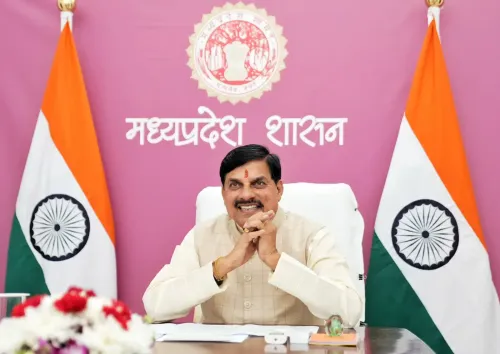
Madhya Pradesh CM Dr. Mohan Yadav has announced the Gandhi Sagar Pumped Storage Project — described as one of Asia's largest — will enter commissioning from December 2026, boosting the state's grid stability and long-term energy security.
Key Takeaways
Madhya Pradesh CM Dr.
Mohan Yadav declared the Gandhi Sagar Pumped Storage Project a major state achievement on 18 November 2026 .
The project is described as one of Asia's largest pumped storage electricity installations, located on the Chambal River at Gandhi Sagar .
Commissioning is set to begin in December 2026 , moving the project from construction to operational testing.
The facility will help Madhya Pradesh meet peak electricity demand and integrate variable renewable energy into the grid.
Pumped storage works by using off-peak power to pump water uphill, then releasing it through turbines during high-demand periods.
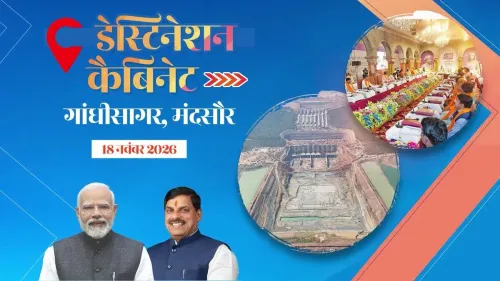
The announcement was made at a cabinet meeting held at Gandhi Sagar, signalled by the hashtag #GandhiSagarCabinetMP .
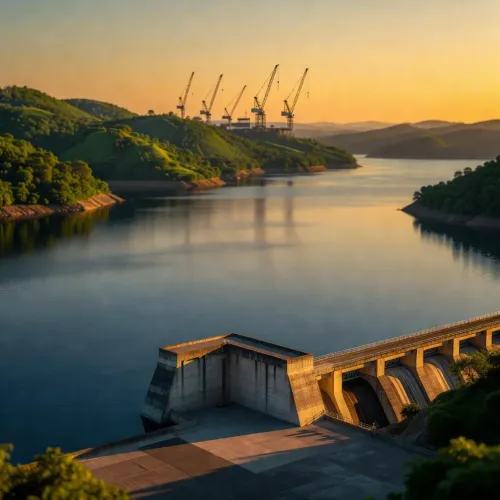
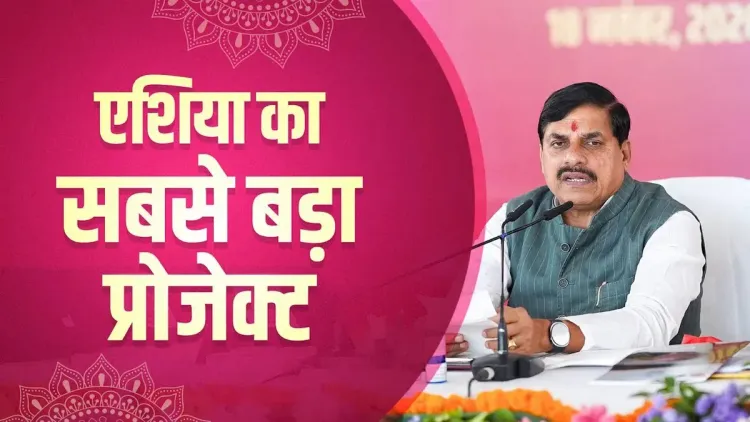
A dam on the Chambal, a project billed as one of Asia's largest pumped storage power installations, and a December commissioning target — Madhya Pradesh Chief Minister Dr. Mohan Yadav on Wednesday, 18 November 2026, declared the Gandhi Sagar Pumped Storage Project a landmark achievement for the state, announcing that its commissioning process will begin next month.
Posting on X from what appeared to be a cabinet meeting at Gandhi Sagar, the Chief Minister wrote: 'गांधीसागर में एशिया के बड़े पम्प्ड स्टोरेज बिजली प्रोजेक्ट का निर्माण मध्यप्रदेश के लिए बड़ी उपलब्धि है।' ('The construction of a large pumped storage power project in Gandhi Sagar is a great achievement for Madhya Pradesh.') He added that the project 'will prove crucial in meeting the state's electricity needs and future energy demand.'
What pumped storage actually does — and why Gandhi Sagar was chosen
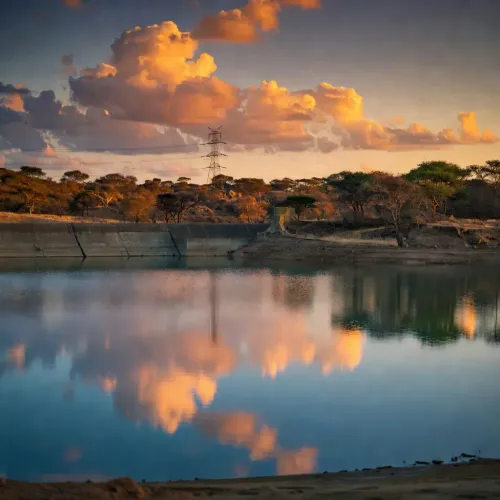
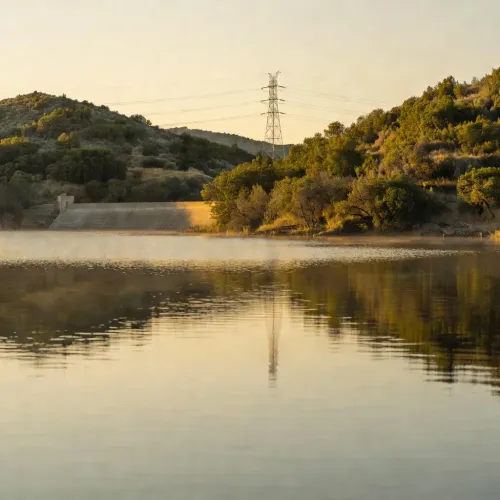
Pumped storage is, in essence, a giant rechargeable battery carved into geography. During off-peak hours when power is cheap and plentiful, water is pumped uphill to a reservoir; during peak demand, it flows back down through turbines to generate electricity. The Chambal River basin, where Gandhi Sagar dam sits, offers the natural elevation differential and water volume that makes such a project viable at scale.
India has pushed pumped storage as a critical tool for grid stability since the country's solar and wind capacity began scaling sharply. The challenge with renewables is intermittency — the sun doesn't always shine when demand peaks. Storage projects like this one act as the buffer, absorbing surplus generation and releasing it on demand. Madhya Pradesh, which has expanded aggressively across thermal, solar, and now hydro-storage capacity, is positioning itself at the intersection of that national strategy.
December commissioning and what it means for the grid
Dr. Yadav's announcement sets December 2026 as the start of commissioning — the phase where equipment is tested, systems are verified, and the plant is progressively brought online. Full commercial operation typically follows commissioning by several months, depending on the project's size and complexity.
The state's electricity consumers stand to gain most directly: a large dispatchable storage asset gives the grid operator the ability to manage demand spikes without resorting to expensive or polluting peaking capacity. For a state with a rising industrial base and growing rural electrification, that flexibility is not a luxury — it is a necessity.
When this project moves from construction to live generation, Madhya Pradesh will have converted a river reservoir into one of the most consequential pieces of energy infrastructure in central India. The countdown, it appears, starts in December.
Point of View
The project offers a tangible, non-partisan infrastructure win ahead of what will likely be a period of heightened scrutiny on state energy costs and industrial growth. Pumped storage investments also carry long gestation periods, so a December commissioning start signals that years of groundwork are finally translating into voter-visible outcomes. The choice to hold a full cabinet at Gandhi Sagar — rather than simply issuing a press release — underscores the political weight the state government is placing on this milestone.
NationPress
18 Nov 2026
Frequently Asked Questions
What is the Gandhi Sagar Pumped Storage Project?
The Gandhi Sagar Pumped Storage Project is a large hydroelectric storage facility being built at the Gandhi Sagar reservoir on the Chambal River in Madhya Pradesh. It stores energy by pumping water uphill during off-peak hours and generating electricity by releasing it during peak demand.
When will the Gandhi Sagar project start generating electricity?
CM Dr. Mohan Yadav announced that commissioning — the process of testing and progressively activating the plant — will begin in December 2026 . Full commercial operation typically follows commissioning by several months.
Why is pumped storage important for Madhya Pradesh?
Pumped storage acts as a large-scale battery for the grid, absorbing surplus power and releasing it during demand spikes. This helps Madhya Pradesh manage peak loads, reduce dependence on expensive peaking plants, and better integrate solar and wind energy.
Is Gandhi Sagar really Asia's largest pumped storage project?
CM Yadav described it as among Asia's largest pumped storage projects. The specific ranking has not been independently verified, but the project is widely regarded as one of the most significant pumped storage undertakings in India.
Where exactly is the Gandhi Sagar dam located?
Gandhi Sagar dam is located on the Chambal River in Madhya Pradesh , central India. The reservoir is one of the largest in the state and forms the site of the pumped storage project.