CM Mohan Yadav Sets 2029 Deadline for MP Police Anti-Drug Drive
Synopsis
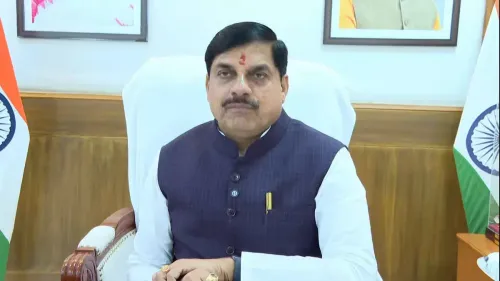
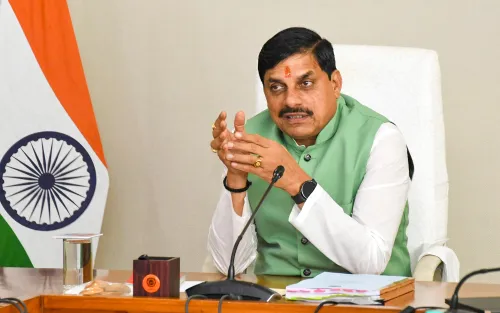
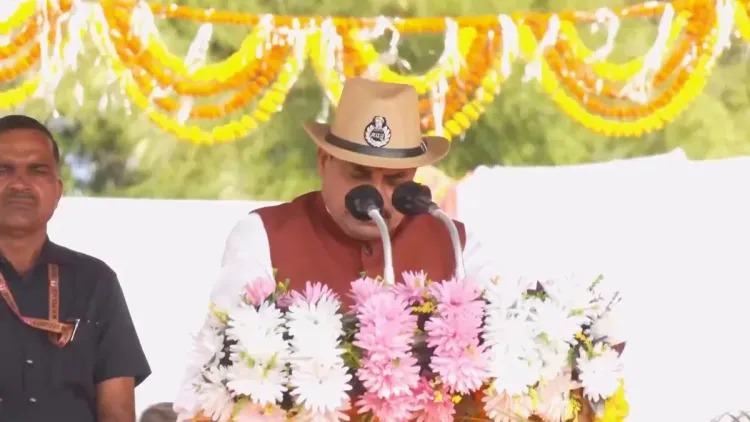
Madhya Pradesh Chief Minister Dr. Mohan Yadav has announced that the state police — credited with curbing dacoity and Naxalism — will now take firm action against drugs and deliver decisive results by 2029, setting a measurable three-year benchmark.
Key Takeaways
Mohan Yadav declared on 3 November 2026 that Madhya Pradesh Police will act decisively against narcotics.
He set a firm target of delivering 'conclusive results' by 2029 , framing it as the next frontier after tackling dacoity and Naxalism.
Madhya Pradesh has a documented history of successful police operations against Chambal dacoity gangs and Naxal activity in tribal districts.
The announcement positions drug enforcement as a continuation of the state police force's prior operational successes.
Specific anti-narcotics operational rollouts and crime data releases will be key benchmarks to watch going forward.
From hunting dacoits in the Chambal ravines to dismantling Naxal networks in tribal heartlands — Madhya Pradesh Chief Minister Dr. Mohan Yadav says the state's police force has earned its stripes the hard way. Now he wants that same battle-tested resolve turned on a newer menace: drugs.
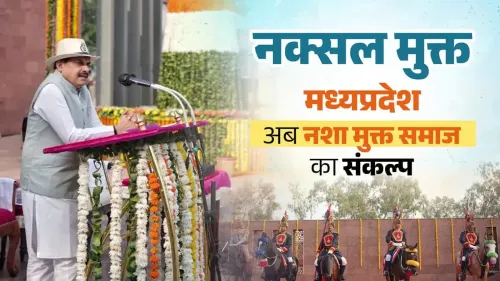
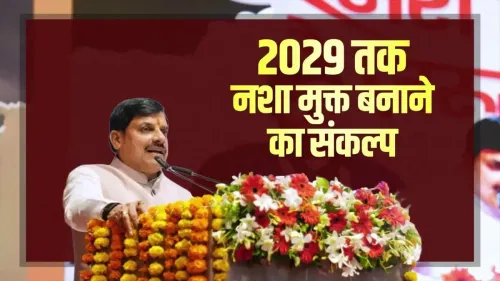
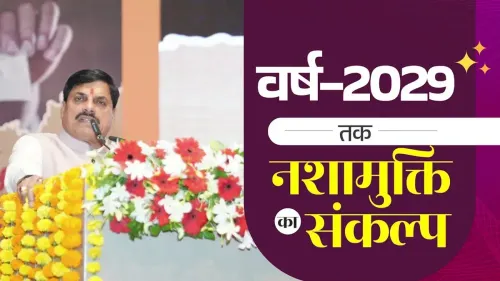
In a post on Tuesday, 3 November 2026, Dr. Yadav declared that Madhya Pradesh Police, having successfully overcome challenges like dacoity and Naxalism, would now act decisively against narcotics — with a firm target of delivering conclusive results by 2029. 'Drudhtaa se karrwai kar varsh 2029 tak nirnayak parinam dega' ('will act firmly and deliver decisive results by 2029'), his post stated.
From Chambal to Narcotics: A Force Redeploying Its Experience
Madhya Pradesh has a documented history of tough policing. The Chambal region once synonymous with armed dacoity gangs was brought under control through sustained police pressure over decades. Naxal activity in the state's southern tribal districts posed a parallel challenge — and successive governments, including the current BJP administration, have framed its suppression as a governance achievement.
The Chief Minister is now explicitly extending that lineage to drug enforcement. The framing is deliberate: the same institution that defeated two entrenched threats can be trusted to deliver on a third. It is a confidence argument as much as a policy statement — and it comes with a specific year attached, giving it measurable weight.
A State-Level Pattern Playing Out Nationally
Madhya Pradesh is not alone in this pivot. Across several BJP-governed states, police mandates have expanded from traditional internal-security threats toward narcotics control, reflecting a broader law-and-order agenda that links anti-insurgency capacity to newer enforcement priorities. What distinguishes the MP announcement is the explicit three-year deadline — 2029 — which transforms a political statement into a benchmark that will invite scrutiny.
Stakeholders watching this closely include drug-affected communities in urban and semi-urban districts, as well as the state police hierarchy now expected to produce measurable crime data to back the claim. Specific operational rollouts and periodic seizure statistics will be the real test of the pledge.
A 2029 deadline is close enough to hold someone accountable, and far enough to build a real record. The clock is already running.
Point of View
2029, the Chief Minister converts a governance aspiration into a verifiable commitment, raising the political stakes considerably. This fits a broader BJP state-government pattern of expanding police mandates from insurgency control to narcotics, signalling a law-and-order identity that resonates electorally. The real test will come in periodic crime data: if seizure figures and conviction rates do not trend sharply upward before 2029, the deadline becomes a liability rather than a legacy.
NationPress
3 Nov 2026
Frequently Asked Questions
What did CM Mohan Yadav say about drugs in Madhya Pradesh?
Chief Minister Dr. Mohan Yadav announced on 3 November 2026 that Madhya Pradesh Police will take firm action against narcotics and deliver decisive results by 2029 , drawing on the force's experience in combating dacoity and Naxalism.
Why has Madhya Pradesh Police been praised for tackling dacoity and Naxalism?
The Madhya Pradesh Police conducted sustained operations against armed dacoit gangs in the Chambal region and Naxal networks in tribal districts over several decades, which successive state governments have credited as major law-and-order achievements.
What is the 2029 drug target set by Madhya Pradesh?
CM Dr. Mohan Yadav has set 2029 as the year by which Madhya Pradesh Police should deliver 'conclusive results' in its campaign against drugs, framing it as a measurable deadline for the state's anti-narcotics drive.
How does Madhya Pradesh's drug crackdown fit into national trends?
Several Indian states have expanded police mandates from traditional security threats like Naxalism to narcotics control. Madhya Pradesh's announcement follows a similar pattern seen in other BJP-governed states , linking anti-insurgency capacity to drug enforcement priorities.
What should citizens watch for in Madhya Pradesh's anti-drug campaign?
Key indicators will include the rollout of specific anti-narcotics operations, drug seizure statistics, and periodic crime data released by the Madhya Pradesh Police in the lead-up to the 2029 deadline.