CM Naidu Grants Land Titles to 26,401 Poor Families in NTR District

Synopsis
Andhra Pradesh CM Chandrababu Naidu announced formal land titles for 26,401 poor families in NTR district under Pedalaku Pattabhishekam, part of a wider drive conferring Rs. 52,000 crore in asset rights to 60,000 families across Visakhapatnam, Mangalagiri, and NTR district.
Key Takeaways
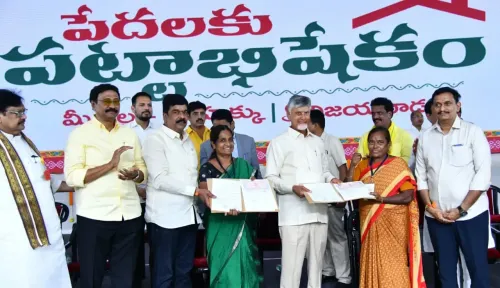
26,401 poor families in NTR district received formal land titles (pattas) under the Pedalaku Pattabhishekam scheme.
The programme covers 60,000 families across Visakhapatnam , Mangalagiri , and NTR district , conferring rights over assets valued at Rs.
Beneficiaries are long-term occupants who built homes on informal plots but lacked legal ownership documents.
The scheme continues a TDP policy tradition of urban land-titling drives dating to the 2014–2019 government's NTR Bharosa programme.
NTR district was carved out in 2022 and named after former Chief Minister N.T.
Expansion to remaining Andhra Pradesh districts and integration with formal credit systems remain key next steps.
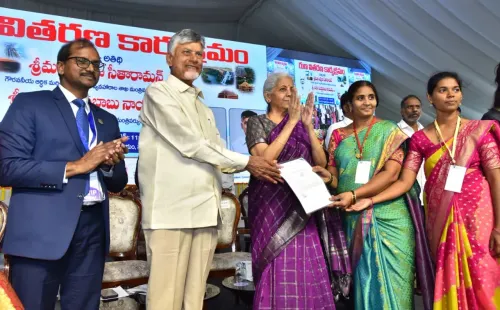
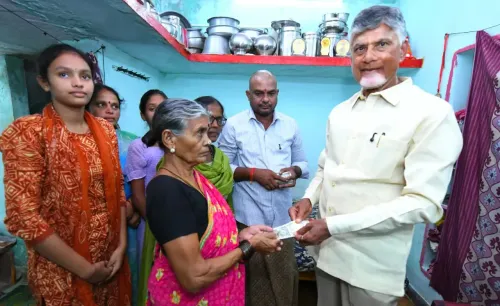
Decades of uncertainty ended for tens of thousands of poor families in Andhra Pradesh on Wednesday, 30 September 2026, as Chief Minister N. Chandrababu Naidu announced the distribution of formal land titles — pattas — to 26,401 households in NTR district under the state's Pedalaku Pattabhishekam ('coronation of dignity for the poor') scheme.
What a Patta Means for a Family That Built Its Own Home
For families who constructed homes on informal plots years — sometimes generations — ago, the absence of a title meant living in a legal grey zone: no collateral for a bank loan, no certainty against eviction, no official asset to pass on. The Naidu government's decision to recognise their occupancy and convert it into formal ownership changes that calculus entirely. A piece of paper becomes a foundation.
Naidu framed the move in precisely those terms, writing that the government's decision 'filled their lives with light' — granting rights over homes that families had already built and lived in for years.
Rs. 52,000 Crore in Assets Across Three Districts
NTR district is one part of a wider rollout. According to the Chief Minister's post, the Pedalaku Pattabhishekam scheme has now conferred ownership rights over assets valued at Rs. 52,000 crore to 60,000 families across Visakhapatnam, Mangalagiri, and NTR district — three of Andhra Pradesh's most economically active and rapidly urbanising zones.
Visakhapatnam is the state's largest city and a major port and industrial hub. Mangalagiri sits at the political and geographic heart of the new capital region near Vijayawada. NTR district, carved out in 2022 and named after former Chief Minister N.T. Rama Rao, is itself a symbol of the state's post-bifurcation identity. Together, the three districts represent the urban frontier where informal settlements have grown fastest.
A Policy Lineage Rooted in TDP's Land-Titling Tradition
This is not the TDP's first attempt to formalise informal tenure. During its 2014–2019 government, the party ran urban slum-titling drives and housing schemes — including NTR Bharosa — aimed at converting long-occupied plots into legally recognised assets. The current programme extends that lineage with a broader geographic sweep and a sharper branding around dignity rather than just shelter.
Land titling as welfare has a well-documented logic: formal ownership unlocks credit, raises the household's net worth on paper, and integrates residents into the formal property-tax system — giving them both rights and responsibilities as urban citizens.
What Comes Next for the Scheme's Beneficiaries
The immediate question for the 60,000 families now holding titles is whether those documents translate into bankable collateral. A patta is the first step; updated property-tax records and lender recognition are the next. The government's ability to link these titles to formal financial infrastructure — and to expand the programme to remaining districts — will determine whether Pedalaku Pattabhishekam becomes a transformative asset-building exercise or remains a powerful but incomplete gesture.
Andhra Pradesh's urban poor now hold title deeds. The state's next task is making those deeds work.
Point of View
The TDP government simultaneously delivers a tangible welfare outcome and builds durable electoral goodwill among urban poor communities in three of Andhra Pradesh's most contested districts. The Rs. 52,000 crore asset-valuation figure is striking — it frames the scheme not as charity but as wealth creation, a framing that resonates with Naidu's long-standing technocratic brand. The real test, however, lies downstream: whether these titles are recognised by lenders and integrated into property-tax rolls will determine whether the programme achieves genuine economic mobility or remains a dignified but limited symbolic gesture. Andhra Pradesh's experience will also be watched by other states navigating the politically sensitive task of formalising decades of urban encroachment.
NationPress
1 Oct 2026
Frequently Asked Questions
What is Pedalaku Pattabhishekam in Andhra Pradesh?
Pedalaku Pattabhishekam is an Andhra Pradesh government scheme that grants formal land titles (pattas) to poor families who have been long-term occupants of informal settlements, converting their homes into legally recognised assets.
How many families received land titles in NTR district?
26,401 poor families in NTR district received formal land titles under the scheme, as announced by Chief Minister N. Chandrababu Naidu.
What is the total value of assets covered under the scheme?
According to Chief Minister Naidu's announcement, assets worth Rs. 52,000 crore have been formally titled across Visakhapatnam , Mangalagiri , and NTR district , benefiting 60,000 families .
What is NTR district in Andhra Pradesh?
NTR district is a district in coastal Andhra Pradesh carved out in 2022 and named after former Chief Minister N.T. Rama Rao , the founder of the Telugu Desam Party.
Does a patta help poor families get bank loans?
A formal land title (patta) is intended to serve as collateral for bank loans, but its practical use depends on lenders recognising the document and on the title being integrated into official property-tax records — steps that typically follow the initial distribution.