CM Naidu: Stree Shakti crosses 100 crore free bus rides
Synopsis
Andhra Pradesh Chief Minister N. Chandrababu Naidu announced on 6 October 2026 that the 'Stree Shakti' free bus scheme for women has completed over 100 crore rides since its launch on Independence Day 2025, with 24 lakh women using it daily and a cumulative saving of Rs 3,550 crore.
Key Takeaways
The Stree Shakti free bus scheme for women in Andhra Pradesh crossed 100 crore free trips since its launch on 15 August 2025 .
An average of 24 lakh women use the scheme every day across the state.
Women have collectively saved Rs 3,550 crore in travel costs since the scheme began.
CM Naidu said he hopes every rupee saved goes towards children's education, family needs, and the future.
APSRTC management and staff were credited for operationally sustaining the large-scale scheme.
The milestone was reached in approximately 14 months after the Independence Day launch.
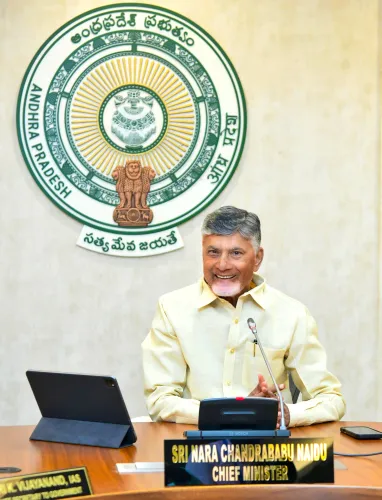
One year after its launch, a free-bus scheme for women in Andhra Pradesh has crossed a milestone that few welfare programmes in India achieve this fast — 100 crore free trips, completed in just over a year. Andhra Pradesh Chief Minister N. Chandrababu Naidu announced on Tuesday, 6 October 2026 that the 'Stree Shakti' scheme has crossed this historic mark, crediting the women of the state for making it a living part of their daily lives.
From Independence Day promise to 100-crore journeys
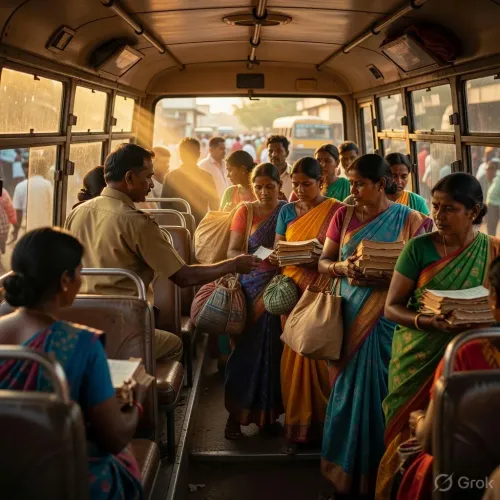
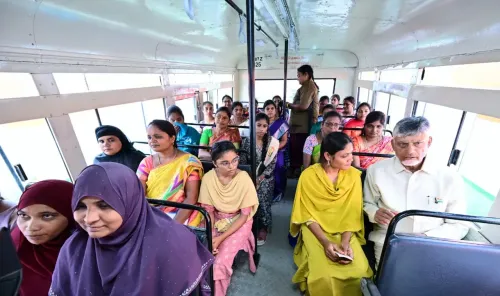
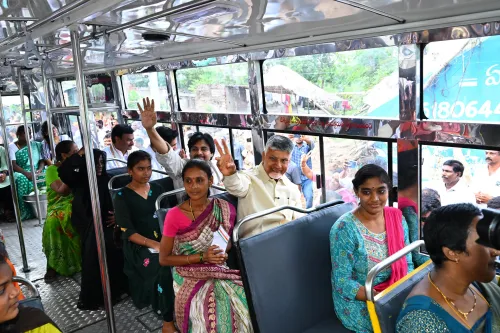
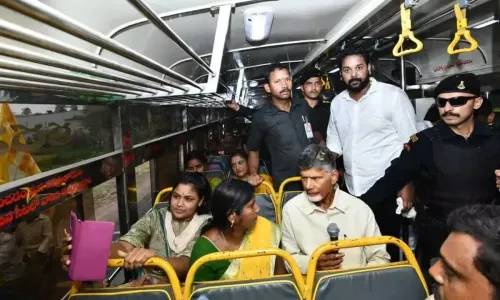
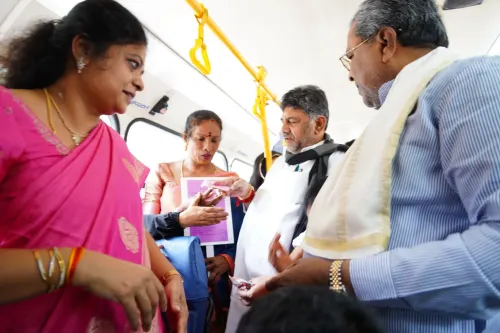
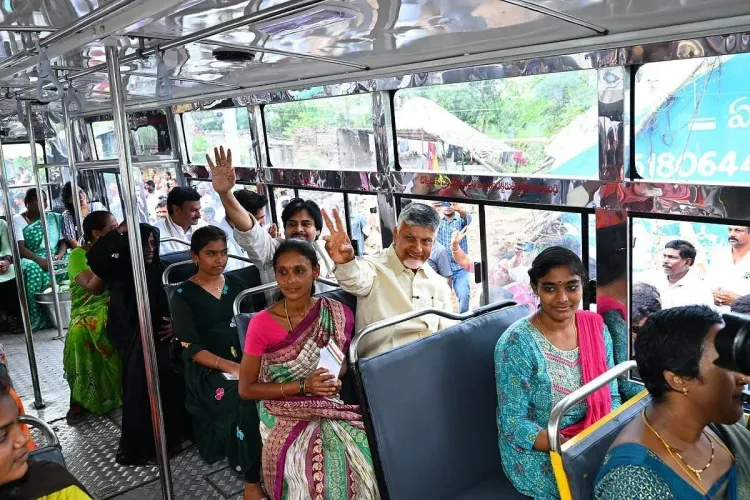
Launched on 15 August 2025 — Independence Day — the Stree Shakti scheme offered women in Andhra Pradesh free travel on state-run buses. CM Naidu's post in Telugu described the scheme as having earned the 'affection of the state's daughters and the approval of its mothers' — mana aadabiddala aadaranatho, maatrumoortula aamodanatho. In just over 14 months, the numbers tell the story: an average of 24 lakh women boarding state buses for free every single day.
That is not a statistic — that is a city the size of a mid-sized Indian metropolis on the move, every morning, without paying a rupee.
Rs 3,550 crore saved — and where Naidu wants it to go
Chief Minister Naidu put a precise rupee figure on the scheme's cumulative benefit: women across Andhra Pradesh have collectively saved Rs 3,550 crore in travel expenses since the scheme began. He was deliberate about where he hopes those savings flow — 'every rupee saved should go towards their children's education, family needs, and the future,' he wrote.
The beneficiaries the CM named are specific: the schoolgirl commuting to class, the woman heading to her workplace, the daily-wage earner travelling for her livelihood. For each of them, the bus fare was not a small cost — it was a recurring cut on a tight household budget. Eliminating it, the scheme's architects argue, is economic relief by another name.
APSRTC's role in delivering the scale
Hitting 100 crore trips is also an operational achievement. CM Naidu offered 'heartfelt congratulations' to the management and staff of the Andhra Pradesh State Road Transport Corporation (APSRTC), who have had to absorb the surge in ridership and ensure service quality across the state's vast road network. The scheme's success depends as much on buses running on time as on the political will behind it.
Free-travel schemes for women are not unique to Andhra Pradesh — similar programmes exist in Tamil Nadu, Delhi, and other states — but the sheer velocity at which Stree Shakti has scaled, crossing 100 crore rides inside 14 months with a daily average of 24 lakh users, gives it a claim to being among the most rapidly adopted of its kind in the country.
The question the milestone raises is one of sustainability: as ridership grows, so does the fiscal burden on APSRTC. How the state manages that equation will determine whether Stree Shakti becomes a permanent fixture or a celebrated but time-limited promise.
Point of View
Which returned to power in 2024 on a platform of welfare delivery after years in opposition — tangible, large-scale beneficiary numbers are the kind of proof the party will lean on heading into future electoral cycles. Free-transit schemes for women have become a competitive welfare frontier across Indian states, and Andhra Pradesh's 24-lakh-daily-users figure is a strong counter in that race. The Rs 3,550 crore saving figure, however, also implicitly signals a growing fiscal obligation for APSRTC, and how the government structures long-term funding for the scheme will be the real test of its durability beyond the headline milestone.
NationPress
6 Oct 2026
Frequently Asked Questions
What is the Stree Shakti scheme in Andhra Pradesh?
Stree Shakti is a scheme launched by the Andhra Pradesh government on 15 August 2025 that provides free bus travel on APSRTC buses to all women in the state.
How many free rides has Stree Shakti completed?
As of October 2026 , the scheme has completed over 100 crore (one billion) free trips in approximately 14 months since launch.
How many women use Stree Shakti every day?
An average of 24 lakh (2.4 million) women travel free under the Stree Shakti scheme every day across Andhra Pradesh.
How much money have women saved through the Stree Shakti scheme?
Women in Andhra Pradesh have collectively saved Rs 3,550 crore in travel expenses since the Stree Shakti scheme began in August 2025.
Who runs the Stree Shakti free bus scheme?
The scheme is implemented by the Andhra Pradesh State Road Transport Corporation (APSRTC) under the direction of the state government led by Chief Minister N. Chandrababu Naidu .