CM Samrat Choudhary: Bihar Makhana Reaches Greece
Synopsis
Bihar Chief Minister Samrat Choudhary marked the export of Purnea-grown makhana to Greece on 6 October 2026, calling it a milestone for farmer incomes, rural processing jobs, and PM Modi's 'Local to Global' push backed by Union Minister Piyush Goyal and APEDA.
Key Takeaways
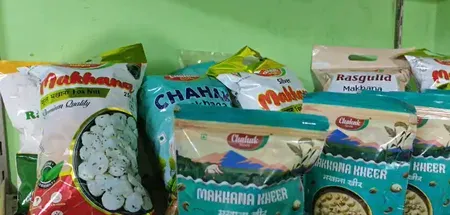
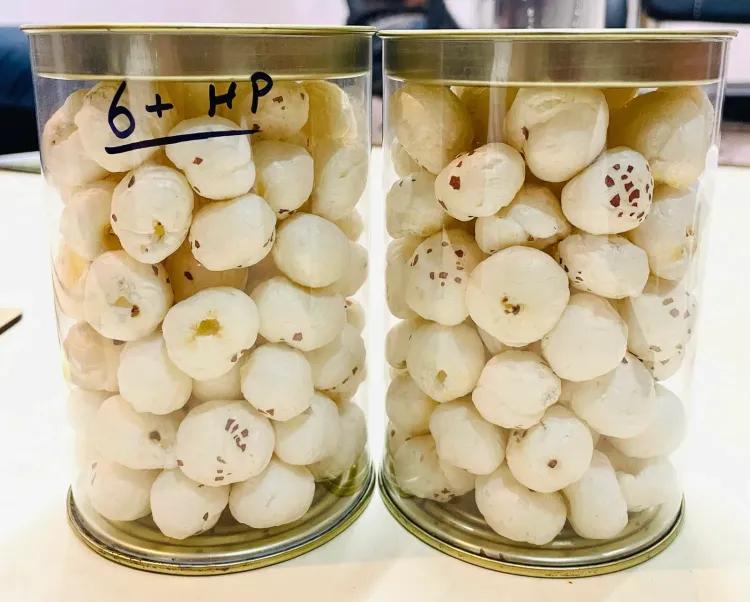
Bihar CM Samrat Choudhary announced the successful export of Bihar makhana (fox nuts) to Greece on 6 October 2026 .
The export originates from Purnea , one of Bihar's primary makhana-growing districts, and is facilitated with APEDA's support.
Choudhary credited PM Narendra Modi's 'Local to Global' vision and Union Minister Piyush Goyal's guidance for the international breakthrough.
India produces over 90 per cent of global makhana supply, with Bihar accounting for the dominant share.
The CM highlighted expected gains in farmer income, makhana processing, local business activity, and overall rural economic momentum.
Women workers who dominate makhana processing stand to benefit significantly from export-driven demand growth.
A wetland crop from the ponds of Purnea has just landed on European shores — and Bihar Chief Minister Samrat Choudhary says the story goes far deeper than a shipping invoice. On Tuesday, 6 October 2026, the Chief Minister celebrated the export of Bihar makhana (fox nuts) to Greece, calling it proof that the state's farmers are finally finding a global voice.
Posting in Hindi, Choudhary framed the milestone as the realisation of Prime Minister Narendra Modi's 'Local to Global' vision, crediting Union Commerce and Industry Minister Piyush Goyal and the Agricultural and Processed Food Products Export Development Authority (APEDA) for opening fresh international doors for makhana producers. 'पूर्णिया की धरती से निकला मखाना ग्रीस तक पहुंचना' — 'Makhana grown on the soil of Purnea reaching Greece' — is how he opened, setting a tone that was simultaneously local and proudly global.
Purnea to the Mediterranean: What this export means
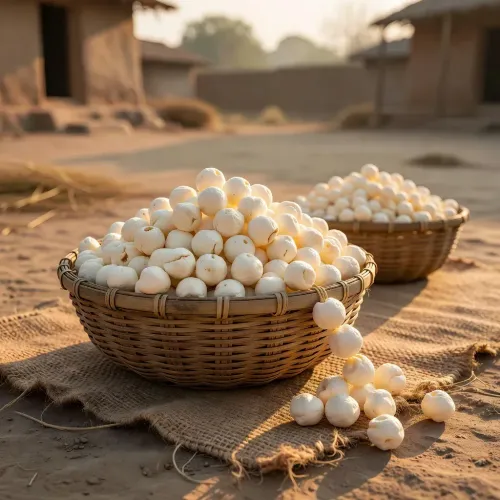
Makhana — the puffed seed of the Euryale ferox water lily — is grown almost exclusively in the wetlands of northern Bihar, with Purnea, Darbhanga, Madhubani, and Sitamarhi districts accounting for the bulk of national output. India produces over 90 per cent of the world's makhana, and Bihar dominates that share. Yet for decades, the crop's value chain stalled at local mandis, leaving farmers with a fraction of the final retail margin.
A shipment reaching Greece — a market with established health-food retail networks and a Mediterranean appetite for superfoods — signals that the premium end of the makhana value chain is beginning to shift. APEDA's role is pivotal here: the authority facilitates export certification, quality standardisation, and buyer linkages that small-scale wetland farmers could not access individually.
Farmer income, processing jobs, and the rural multiplier
Choudhary explicitly named the downstream effects he expects: higher farmer incomes, expanded processing activity, new local businesses, and broader rural economic momentum. The logic is straightforward — export demand at premium prices creates pressure to invest in processing infrastructure closer to the farm gate, which in turn generates non-farm employment in packaging, grading, and logistics.
Bihar's makhana sector has long been flagged as one with outsized potential for exactly this kind of value-chain deepening. The crop is labour-intensive to harvest and process, meaning that even modest export growth can translate into measurable rural wage gains — particularly for women workers who dominate makhana processing.
The 'Local to Global' arc and what comes next
The Chief Minister's invocation of Modi's 'Local to Global' framework is deliberate political messaging, but it also tracks a real policy trajectory. The Makhana Board, championed as a dedicated institutional support structure for the sector, and APEDA's ongoing effort to register Geographical Indication protections for Bihar makhana are part of the same arc — building the institutional scaffolding that turns a regional crop into a protected, internationally recognised product.
Greece may be a single destination today. But as European and Middle Eastern health-food markets continue to seek plant-based, high-protein snack alternatives, Bihar's wetland farmers are positioned at the supply end of a genuinely expanding global trend. The distance from Purnea to Athens just got a lot shorter.
Point of View
Tying a tangible farmer win to both the central government's trade architecture and APEDA's institutional role. The real test is whether this remains a one-off shipment or the beginning of sustained, scalable export volumes — that outcome depends less on political messaging and more on whether processing infrastructure and quality certification reach the farm level in Purnea and neighbouring districts. If APEDA and the proposed Makhana Board can together anchor a GI-protected supply chain, Bihar's wetland farmers could capture a genuinely durable premium in the global health-food market.
NationPress
6 Oct 2026
Frequently Asked Questions
Which Bihar crop has been exported to Greece in 2026?
Makhana (fox nuts), grown in the wetlands of Purnea district in Bihar, has been exported to Greece, as announced by Bihar CM Samrat Choudhary on 6 October 2026.
What is APEDA's role in Bihar makhana exports?
APEDA — the Agricultural and Processed Food Products Export Development Authority — facilitates export certification, quality standardisation, and international buyer linkages for Indian agricultural products including Bihar makhana.
What is PM Modi's 'Local to Global' vision?
PM Narendra Modi's 'Local to Global' vision encourages the internationalisation of locally produced Indian goods, promoting domestic products in export markets to boost farmer incomes and rural economies.
How much of the world's makhana does India produce?
India produces over 90 per cent of the world's makhana supply, with Bihar — particularly districts like Purnea, Darbhanga, and Madhubani — accounting for the vast majority of that output.
How does makhana export benefit Bihar farmers?
Export demand at premium international prices incentivises investment in local processing, grading, and packaging, which creates non-farm employment — especially for women workers — and pushes more of the final product value back to farm-level producers.