CM Nayab Saini Backs Lakhpati Didi Scheme for Haryana Women
Synopsis
Haryana Chief Minister Nayab Singh Saini on 26 September 2026 publicly backed the Lakhpati Didi scheme under DAY-NRLM, urging rural women in self-help groups to leverage government programmes and achieve economic self-reliance in line with India's Viksit Bharat goals.
Key Takeaways
Haryana CM Nayab Singh Saini posted on 26 September 2026 expressing support for women enrolled in the Lakhpati Didi programme.
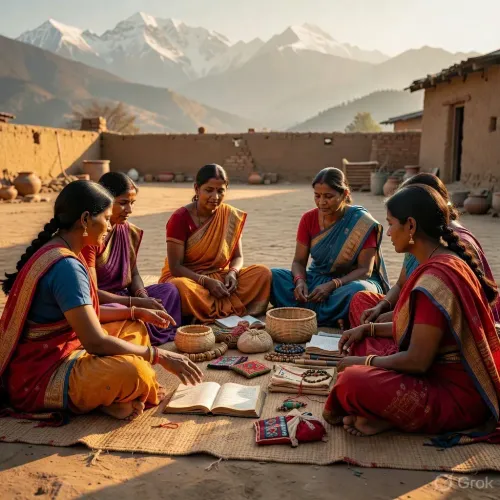
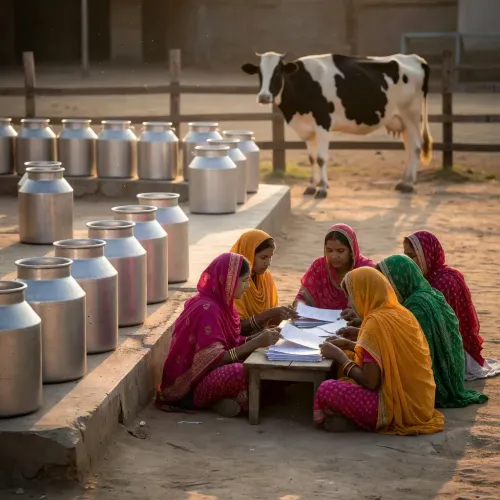
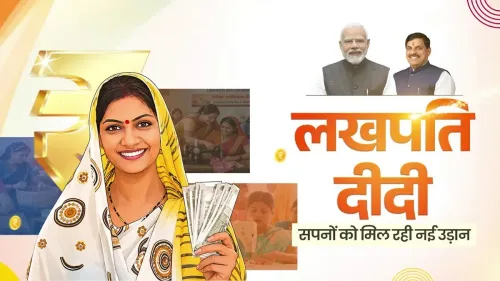
The Lakhpati Didi initiative targets rural women in Self Help Groups (SHGs) to earn at least Rs 1 lakh annually through livelihood activities.
The scheme operates under DAY-NRLM , running since 2011 , with a national target of two crore Lakhpati Didis set by the Ministry of Rural Development in 2023 .
Saini framed women's economic self-reliance as directly linked to Haryana's empowerment and India's Viksit Bharat development vision.
The post continues a pattern of BJP chief ministers using SHG milestones to reinforce welfare credibility among rural women constituents.
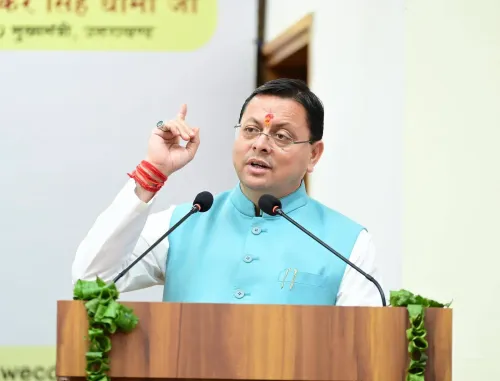
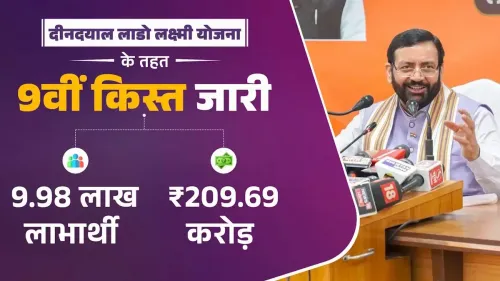
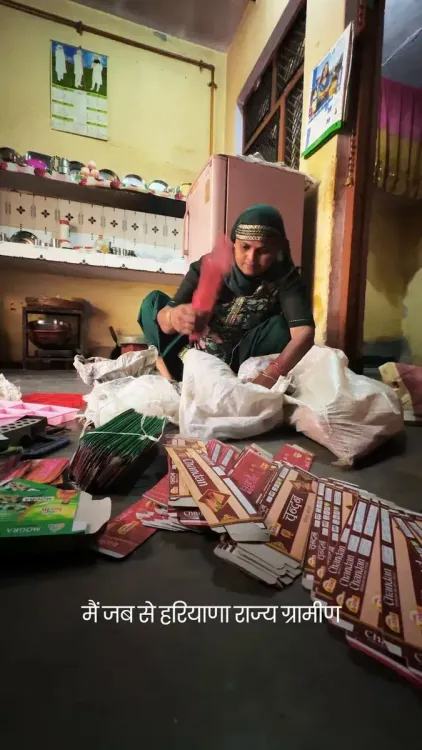
When rural women in Haryana cross the Rs 1 lakh annual income threshold through their self-help groups, Haryana Chief Minister Nayab Singh Saini says the sight fills him with joy — and on Saturday, 26 September 2026, he took that sentiment to social media with a direct message for the state's women.
In a post on X, Saini wrote — 'Apni Lakhpati Didiyon ko aatmanirbhar hokar aage badhte dekhkar mujhe bahut khushi aur santushti milti hai' ('Seeing my Lakhpati Didis become self-reliant and move forward gives me immense joy and satisfaction'). He urged women to tap into government schemes and realise their dreams, closing with a rallying call: 'Sisters self-reliant, Haryana empowered, India developed!'
What the Lakhpati Didi Programme Actually Does
The Lakhpati Didi initiative operates under the Deendayal Antyodaya Yojana-National Rural Livelihoods Mission (DAY-NRLM), a programme running since 2011 that organises rural women into Self Help Groups (SHGs) for savings, credit access, and enterprise development. The specific 'Lakhpati Didi' framing — targeting women who earn at least Rs 1 lakh per year through livelihood activities — was formalised by the Ministry of Rural Development in 2023, with a national target of two crore women set as part of DAY-NRLM's expansion push.
Haryana has implemented NRLM components alongside state-level women-focused schemes since at least the previous BJP government. Saini himself took charge as Chief Minister in March 2024, inheriting and continuing this programmatic emphasis on women's economic self-reliance as a pillar of governance messaging.
Saini's Message and the 'Viksit Bharat' Frame
The post is a deliberate alignment of state-level welfare delivery with the national 'Viksit Bharat' (Developed India) vision — the idea that household-level women's income gains aggregate upward into national development. This framing is increasingly standard across BJP-governed states, where chief ministers use SHG milestones to reinforce both welfare credibility and the broader self-reliance narrative.
For Saini, whose government has leaned on inclusive welfare outreach as a political anchor in Haryana, the post continues a pattern of direct, vernacular communication with rural women constituents — the very demographic that SHGs are designed to serve. The key question going forward is whether Haryana's Lakhpati Didi certification numbers and SHG budgetary support keep pace with the rhetoric.
Ambition, after all, is only as good as the implementation it rides on.
Point of View
Introduced formally in 2023, has become a high-visibility vehicle for the rural women's economic agenda, giving state leaders a concrete, name-able milestone to champion. For Saini, who assumed the chief ministership in 2024 and has cultivated a grassroots-facing communication style, such vernacular outreach to SHG beneficiaries serves a dual purpose: welfare optics and electoral loyalty-building in Haryana's rural constituencies. The critical test will be whether the state's actual certification numbers and SHG budgetary allocations validate the enthusiasm.
NationPress
26 Sept 2026
Frequently Asked Questions
What is the Lakhpati Didi scheme in Haryana?
The Lakhpati Didi scheme is part of the Deendayal Antyodaya Yojana-National Rural Livelihoods Mission (DAY-NRLM), which supports rural women organised in Self Help Groups to earn at least Rs 1 lakh annually through livelihood and enterprise activities. Haryana implements this central programme at the state level.
Who is Nayab Singh Saini and what is his role?
Nayab Singh Saini is a BJP leader who became Chief Minister of Haryana in March 2024 after Manohar Lal Khattar's resignation. He has continued and promoted welfare programmes for women and rural communities in the state.
What is the national target for Lakhpati Didis?
The Ministry of Rural Development set a target of two crore Lakhpati Didis in 2023 as part of the expanded DAY-NRLM mission, aiming to ensure that many rural women in Self Help Groups cross the Rs 1 lakh annual income threshold.
What is DAY-NRLM and when did it start?
DAY-NRLM, or Deendayal Antyodaya Yojana-National Rural Livelihoods Mission, is a central government programme launched in 2011 to organise rural women into Self Help Groups for savings, credit, and enterprise support. It has undergone periodic target revisions since then.
What did CM Nayab Saini say about Lakhpati Didi on 26 September 2026?
CM Saini said seeing his Lakhpati Didis become self-reliant gives him great joy and satisfaction. He urged women to take advantage of government schemes, move forward, and realise their dreams, capping the message with the slogan 'Sisters self-reliant, Haryana empowered, India developed'.