CM Nayab Saini Chairs QAA Meet, Orders Zero Compromise on Quality
Synopsis
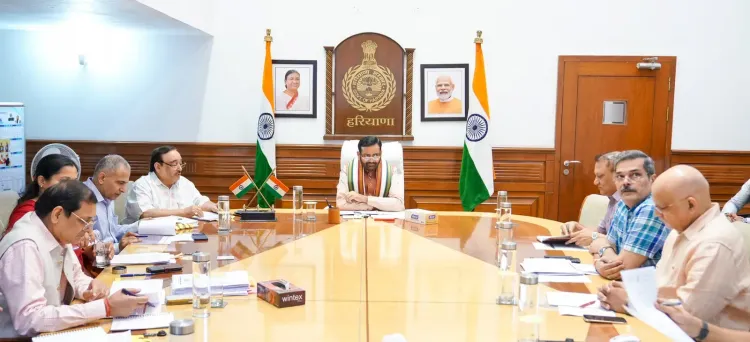
Chief Minister Nayab Saini chaired a Quality Assurance Authority meeting in Chandigarh on 14 July 2026, reviewing construction quality across five departments and directing time-bound action on audit deficiencies, including a new mandate to audit state-funded central PSU projects.
Key Takeaways
CM Nayab Saini chaired the QAA meeting in Chandigarh on 14 July 2026 .
Five departments reviewed: HSAMB, Irrigation, Public Works, Electricity , and Public Health Engineering .
Saini directed that quality in government construction must not be compromised under any circumstances.
Departments must take time-bound corrective action on deficiencies flagged in QAA audit reports.
Construction works of central PSUs funded by the Haryana government are now to be brought under regular QAA audit — a new expansion of the authority's scope.
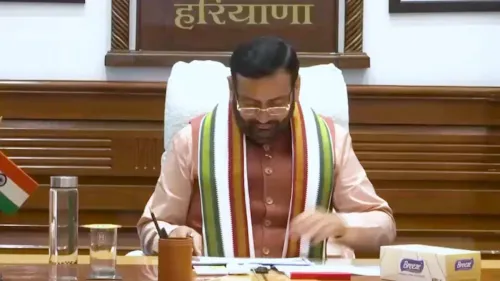
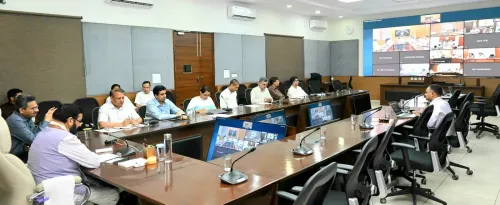
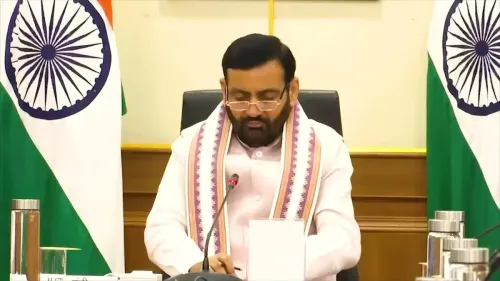
The Chief Minister's Office of Haryana announced on Tuesday, 14 July 2026 that Chief Minister Nayab Saini chaired a meeting of the Quality Assurance Authority (QAA) in Chandigarh, directing departments to ensure no compromise on construction quality and mandating time-bound action on audit deficiencies.
The meeting reviewed construction works, technical audit reports, and project progress across five key departments: the Haryana State Agricultural Marketing Board (HSAMB), Irrigation, Public Works, Electricity, and Public Health Engineering.
Context
CM Saini issued three clear directives at the meeting. First, that quality in government construction works must not be compromised under any circumstances. Second, that deficiencies identified in QAA audit reports must be addressed in a time-bound manner. Third, that construction works of central Public Sector Undertakings (PSUs) funded by the Haryana government must also be brought under regular audit by the QAA.
The instruction to extend QAA oversight to state-funded central PSU projects marks a notable expansion of the authority's mandate, bringing a category of projects that previously operated outside routine state audit scrutiny into the formal quality-check framework.
Policy Backdrop
The Quality Assurance Authority is Haryana's designated body for independent technical audits of state-funded construction projects. Its role is to identify quality shortfalls and flag them to the government for corrective action — a function that sits at the intersection of fiscal accountability and infrastructure delivery.
Nayab Saini assumed office as Chief Minister of Haryana in March 2024, succeeding Manohar Lal Khattar. His administration has consistently emphasised administrative tightening of public works oversight, in line with a broader pattern among BJP-governed states of institutionalising independent technical audits to reduce leakages in infrastructure spending.
Stakeholders and Impact
The departments covered — irrigation, roads and public works, electricity, and public health engineering — collectively execute some of the largest volumes of civil construction in the state. The Haryana State Agricultural Marketing Board oversees mandi infrastructure and rural marketing facilities, making its inclusion significant for farmers and rural communities dependent on functional market yards.
Contractors and PSU project managers working on state-funded assignments will now face structured QAA scrutiny, raising accountability standards across a wider project portfolio. Rural infrastructure users stand to benefit if audit-flagged deficiencies in ongoing projects are rectified within stipulated timelines.
What's Next
The critical follow-up will be whether departments act on QAA audit findings within the timelines CM Saini has mandated. The extension of audits to central PSUs funded by Haryana sets a precedent that could be formalised through a policy order in the coming weeks.
Observers will watch for subsequent QAA reports that capture compliance rates across the five departments, and whether any officials are held accountable for persistent quality lapses — a test of whether Tuesday's directives translate into measurable improvements on the ground.
Point of View
Institutionalising such oversight also serves as a political signal of zero-tolerance for contractor-level quality lapses. The real test, however, lies in whether the time-bound compliance directives are enforced or remain aspirational.
NationPress
14 Jul 2026
Frequently Asked Questions
What is the Quality Assurance Authority (QAA) in Haryana?
The Quality Assurance Authority (QAA) is a Haryana government body responsible for conducting independent technical audits of state-funded construction projects and flagging quality deficiencies to the government for corrective action.
What did CM Nayab Saini direct at the QAA meeting on 14 July 2026?
CM Saini directed that there should be no compromise on quality in government construction works, that audit-flagged deficiencies must be addressed in a time-bound manner, and that central PSU projects funded by the Haryana government must also be brought under regular QAA audit.
Which departments were reviewed at the Haryana QAA meeting?
The meeting reviewed construction works and technical audit reports of the Haryana State Agricultural Marketing Board, Irrigation, Public Works, Electricity, and Public Health Engineering departments.
Why is the extension of QAA audits to central PSUs significant?
Central PSUs funded by the Haryana government previously operated outside routine state audit scrutiny. Bringing them under QAA oversight expands accountability to a significant category of infrastructure projects that were not subject to the same quality checks as direct state works.
Who is Nayab Saini and when did he become Haryana Chief Minister?
Nayab Saini is a BJP leader who became Chief Minister of Haryana in March 2024, succeeding Manohar Lal Khattar. He has emphasised administrative tightening of public works oversight during his tenure.