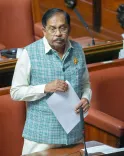
CM Nayab Saini: Grievance Closed Only When Citizen Confirms It

Synopsis
Haryana CM Nayab Singh Saini has declared that a public grievance will only be considered resolved once the complainant personally confirms it — a direct challenge to the bureaucratic practice of closing files without ensuring actual relief.
Key Takeaways
Nayab Singh Saini posted on 3 October 2026 that grievances are resolved only when the citizen personally confirms resolution.
He explicitly stated: 'Simply closing the file is not a solution' — targeting a widespread bureaucratic shortcut.
The directive shifts the measure of success from government records to the complainant's own confirmation.
Haryana operates multiple grievance platforms, including the centrally integrated CPGRAMS framework, which the standard would affect.
The post was accompanied by a video, suggesting the directive may have been issued in a formal administrative setting.
Implementation via formal orders or portal updates will determine whether this commitment translates into systemic change.
A quiet but pointed directive from Haryana Chief Minister Nayab Singh Saini is drawing attention to one of the oldest failures in government administration — the habit of shutting a file and calling it solved. In a post shared on Saturday, 3 October 2026, Saini laid down a clear standard: a complaint is resolved only when the citizen who raised it says so.
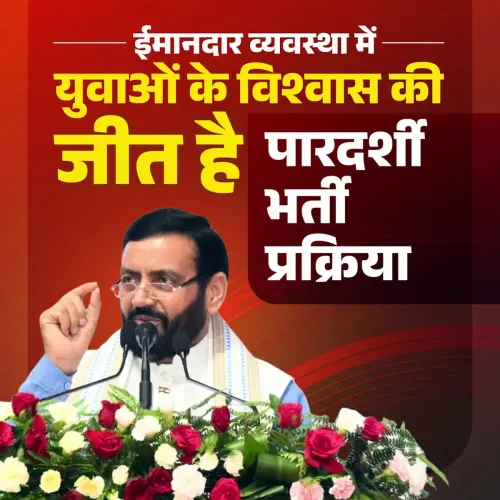
The Chief Minister's words in Hindi were unambiguous: 'शिकायत का निस्तारण तभी पूरा माना जाएगा, जब संबंधित नागरिक स्वयं इसकी पुष्टि करे। सिर्फ फाइल बंद करना समाधान नहीं है।' — 'A grievance will be considered resolved only when the concerned citizen confirms it themselves. Simply closing the file is not a solution.'
The Gap Between 'Closed' and 'Resolved'
The distinction Saini draws is a small sentence with large administrative stakes. Across Indian state governments, grievance portals regularly show high disposal rates — but 'disposal' often means the file moved from one desk to another, or an officer marked it attended. Whether the person who filed the complaint actually got relief is a different question entirely, and frequently an unanswered one.
By insisting that citizen confirmation is the only valid closure, the Chief Minister is effectively proposing a feedback loop that most bureaucratic systems resist — because it shifts the measure of success from the government's own records to the citizen's lived experience.
What This Means for Haryana's Grievance Machinery
Haryana operates several public grievance platforms, including state-level portals and the centrally integrated CPGRAMS framework. The directive, if implemented as stated, would require officers to actively seek confirmation from complainants before marking cases closed — a process that demands follow-through, not just paperwork. It also implies accountability: if a citizen disputes that their complaint was actually addressed, the file cannot simply remain shut.
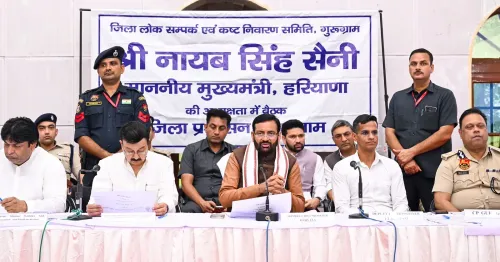
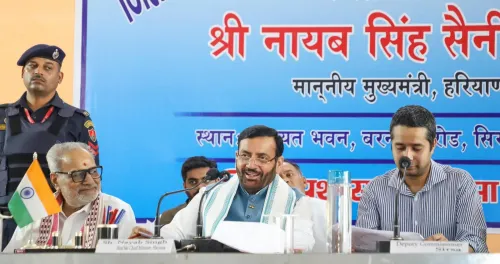
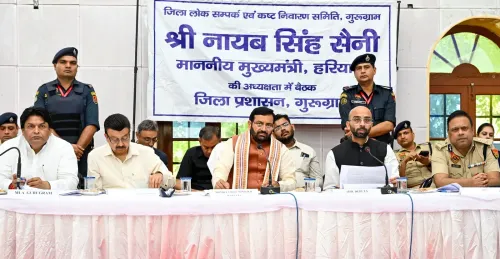
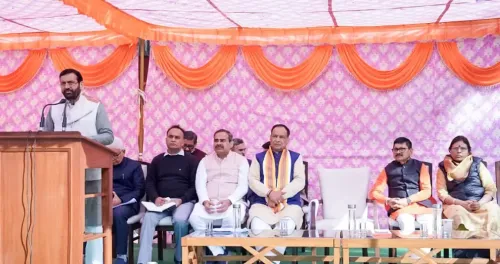
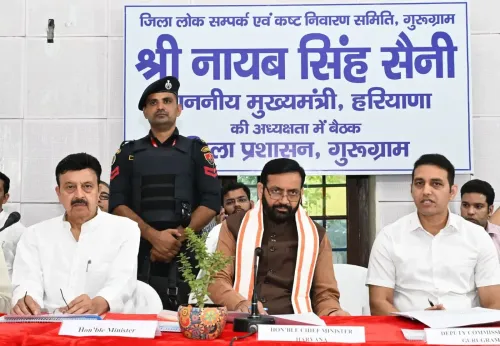
The post accompanied a video — the specifics of which were not independently detailed — suggesting the directive may have been issued in the context of a meeting, review, or administrative interaction that gave it formal weight beyond a social media statement.
A Small Standard, A Big Shift in Accountability
Governance reformers have long argued that grievance redressal in India suffers not from a lack of systems but from a lack of outcome-measurement. Saini's framing — citizen confirmation as the only valid resolution marker — is precisely the kind of demand that, if backed by monitoring, can change bureaucratic incentives from form-filling to problem-solving.
Whether standing orders, portal updates, or departmental circulars follow this public commitment will determine whether it reshapes how Haryana's administration treats its complainants — or remains a sharp line delivered into the digital air.
Point of View
He is proposing an accountability inversion — putting the complainant, not the bureaucrat, in charge of the outcome marker. If backed by enforceable protocols, this could meaningfully reduce the 'ghost resolution' problem where disposal rates look healthy but actual relief rates do not. It also signals a political calculus: ahead of any electoral cycle, being seen as the government that actually listens — and verifies — is a potent differentiator from routine grievance-portal optics.
NationPress
3 Oct 2026
Frequently Asked Questions
What did Haryana CM Nayab Singh Saini say about public grievances?
Saini stated that a grievance will be considered resolved only when the citizen who filed it personally confirms the resolution — closing the file alone is not sufficient.
How does citizen confirmation change grievance redressal in Haryana?
It shifts the definition of 'resolved' from an officer marking a file closed to the complainant confirming they actually received relief, making outcomes — not paperwork — the standard.
What is CPGRAMS and does it apply to Haryana?
CPGRAMS is the central government's integrated public grievance redressal management system, which state governments including Haryana link into for handling citizen complaints.
Is Nayab Saini's directive legally binding or just a statement?
As of the post, it is a public directive. Whether formal government orders, circulars, or portal changes follow will determine its binding effect on officials.
Why do grievances get marked resolved without actually being solved?
Bureaucratic systems often measure performance by disposal counts, creating an incentive to close files quickly rather than verify that the complainant's underlying problem was fixed.