CM Nayab Saini Reviews Water, Sewerage Projects in Chandigarh
Synopsis
Chief Minister Nayab Saini reviewed Public Health Engineering Department projects in Chandigarh on 1 July 2026, directing officials to complete water supply and sewerage works on time, maximise treated wastewater reuse, and ensure canal water reaches groundwater-depleted areas.
Key Takeaways
CM Nayab Saini chaired a high-level review of PHED schemes in Chandigarh on 1 July 2026 .
The meeting covered progress on budget announcements, CM declarations, and manifesto commitments related to water and sewerage.
Saini directed all projects to be completed within stipulated timelines and to high quality standards.
Officials were instructed to maximise reuse of treated wastewater and promote water conservation statewide.
The CM ordered canal water availability to be ensured in areas with critically low groundwater levels.
The review aligns with the Jal Jeevan Mission framework and Haryana's 2024-25 budget allocations for water infrastructure.
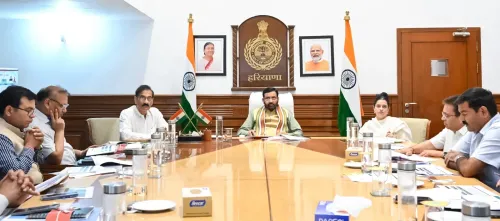
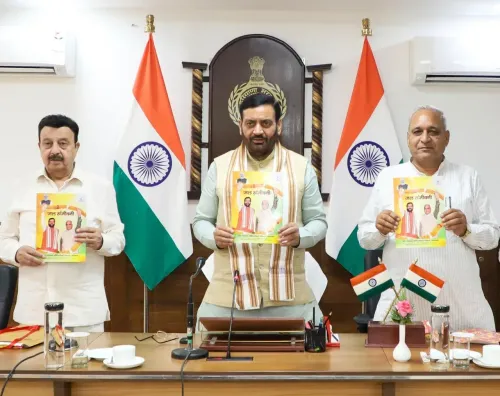
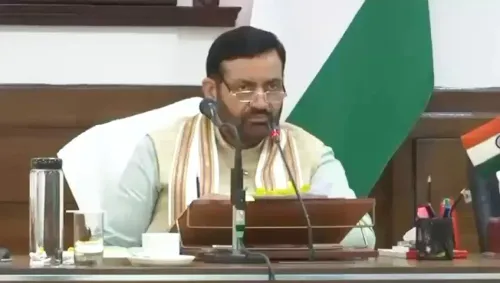
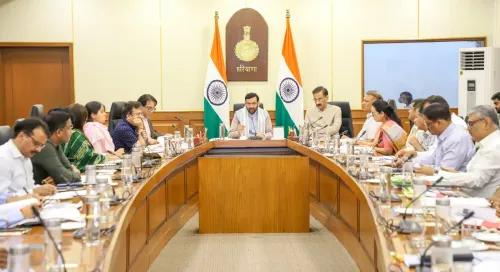
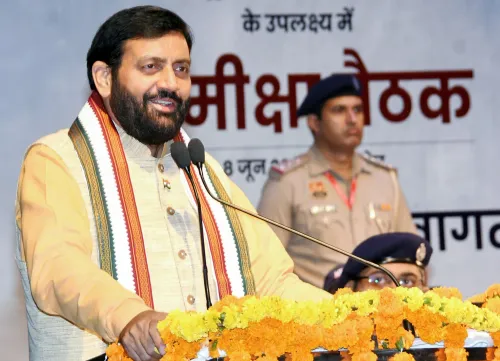
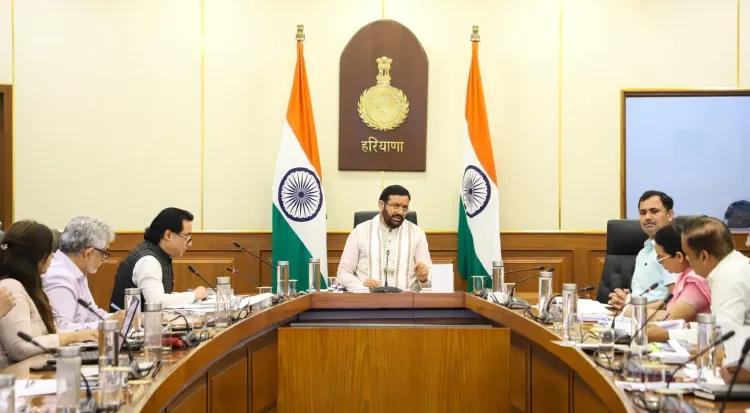
The Chief Minister's Office of Haryana announced on Wednesday, 1 July 2026 that Chief Minister Nayab Singh Saini chaired a high-level review meeting in Chandigarh to assess the progress of schemes and projects under the Public Health Engineering Department (PHED), covering budget announcements, Chief Minister's declarations, and manifesto commitments.
What the Meeting Covered
The session focused on the availability of safe and clean drinking water, and on strengthening sewerage and wastewater management systems across the state. Detailed deliberations were held on the pace of ongoing PHED projects and their alignment with timelines set out in the state budget and election manifesto. CM Saini directed officials to ensure all projects are completed within their stipulated deadlines and to the highest quality standards.
The Chief Minister also specifically instructed officers to maximise the reuse of treated wastewater, actively promote water conservation, and ensure the availability of canal water in areas where groundwater levels have fallen critically low.
Context
Haryana faces acute groundwater depletion across multiple districts, a crisis driven by intensive agriculture and rapid urbanisation. The state government has previously issued orders directing the maximum reuse of treated effluent for non-potable purposes, and the current review signals a continued push to operationalise those directives on the ground. CM Saini took office in March 2024 after Manohar Lal Khattar stepped down ahead of assembly elections, inheriting a policy agenda centred on water security.
Policy Backdrop
The meeting sits within a broader national and state policy framework. The Jal Jeevan Mission (JJM), launched by the central government in 2019, mandates functional household tap connections and requires convergence with state canal water and groundwater management programmes. Haryana reported high coverage under JJM by 2024, but sustaining that coverage depends on robust backend infrastructure — precisely what the PHED review addressed. The state's 2024-25 budget had earmarked funds for new water supply and sewerage projects aligned with manifesto promises.
The emphasis on shhodhit apashisht jal (treated wastewater) reuse and canal water substitution in over-exploited groundwater blocks mirrors national priorities while responding to distinctly local agrarian and urban pressures in Haryana.
Stakeholders and Impact
Rural households dependent on groundwater, urban local bodies managing sewerage networks, and farmers in over-exploited blocks stand to be directly affected by the outcomes of this review. Faster project completion under PHED would translate into improved tap-water access, better wastewater treatment capacity, and reduced pressure on depleting aquifers. The directive on canal water availability is particularly significant for communities in districts where groundwater extraction has crossed sustainable limits.
What's Next
Quarterly progress reports on PHED projects will be a key indicator of whether the meeting's directives translate into on-ground delivery. Any follow-up orders issued ahead of the next budget cycle or after the 2026 monsoon season will signal how the Saini administration intends to close gaps between announced targets and actual completion. The state's performance on wastewater reuse and canal water substitution will also bear watching as central scheme guidelines evolve.
Point of View
Which came to power partly on infrastructure delivery promises. By publicly directing officials on treated wastewater reuse and canal water substitution, the Chief Minister is signalling that Haryana's chronic groundwater crisis remains a live political liability, not just a technical challenge. The emphasis on timeline compliance also reflects pressure to show visible progress before the next state budget season. Taken together, the meeting reinforces a pattern where BJP-led state governments use high-level reviews as both a governance tool and a public-communication instrument on welfare infrastructure.
NationPress
1 Jul 2026
Frequently Asked Questions
What was discussed at CM Nayab Saini's PHED review meeting on 1 July 2026?
The meeting reviewed progress on Public Health Engineering Department projects covering drinking water supply, sewerage, and wastewater management, along with budget announcements and manifesto commitments. CM Saini directed timely, high-quality completion of all projects and maximum reuse of treated wastewater.
Why is Haryana focusing on canal water in groundwater-depleted areas?
Several districts in Haryana have groundwater levels that have fallen below sustainable limits due to intensive agriculture and urbanisation. The CM directed officials to ensure canal water is made available in these over-exploited blocks as a substitute to reduce further aquifer depletion.
What is the Public Health Engineering Department (PHED) in Haryana?
PHED is the Haryana government department responsible for rural and urban water supply infrastructure, sewerage networks, and wastewater treatment plants across the state.
How does the Jal Jeevan Mission relate to Haryana's water projects?
The Jal Jeevan Mission, launched by the central government in 2019, funds functional household tap connections and requires states to integrate canal water and groundwater management. Haryana's PHED projects are partly aligned with JJM guidelines and funding.
Who is Nayab Singh Saini and when did he become Haryana CM?
Nayab Singh Saini is a BJP leader who became Chief Minister of Haryana in March 2024 after Manohar Lal Khattar stepped down ahead of state assembly elections.