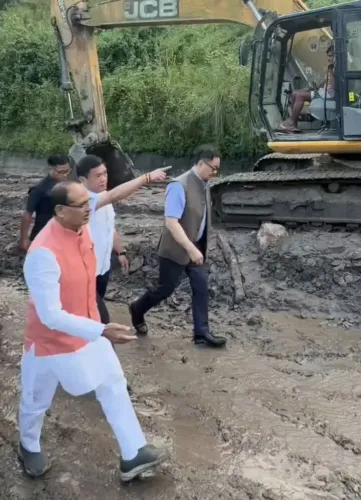
Rijiju Visits Flood-Hit Families, Reviews Relief Efforts
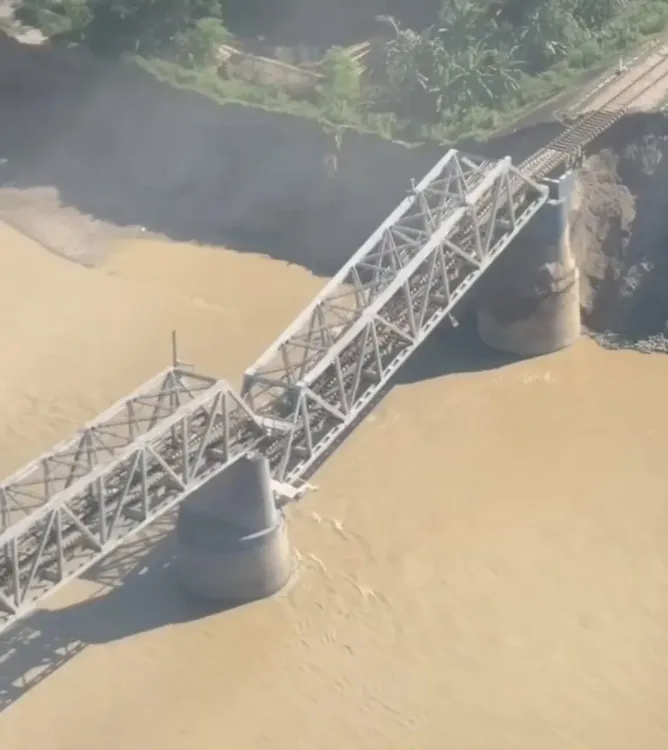
Synopsis
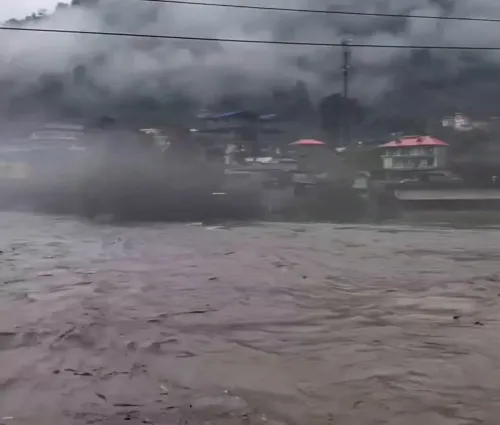
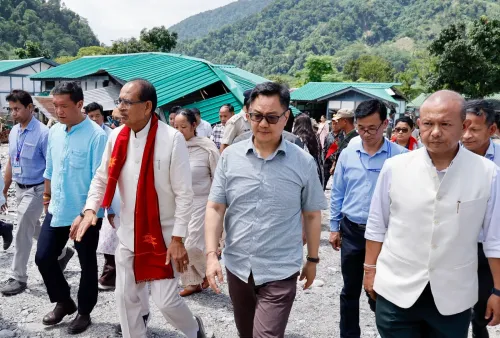
Union Minister Kiren Rijiju met flood-affected families on July 1, 2026, conducting a ground-level review of relief and restoration efforts. He affirmed that both the Union and State governments are committed to timely assistance and restoring connectivity for affected communities.
Key Takeaways
Kiren Rijiju , Union Minister of Parliamentary Affairs and Minority Affairs, personally visited flood-affected families on July 1, 2026 .
The minister reviewed ground conditions and assessed ongoing relief and restoration operations first-hand.
Both the Union Government and the State Government have committed to timely assistance and connectivity restoration.
The visit was documented through five videos posted on X, indicating an on-site field inspection.
India's disaster response is governed by the Disaster Management Act, 2005 , which mandates coordinated central-state action during floods and other calamities.
Further announcements on central financial assistance and infrastructure recovery timelines are expected in the coming days.
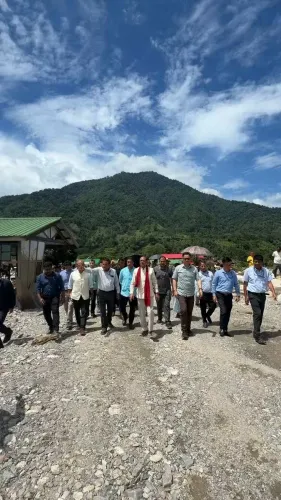
Union Parliamentary Affairs Minister Kiren Rijiju on Wednesday, July 1, 2026, met flood-affected families on the ground, reviewing the ongoing relief and restoration operations and assessing the situation first-hand. The minister affirmed that both the Union Government and the State Government remain committed to delivering timely assistance, restoring connectivity, and extending all possible support to those impacted.
Context
Rijiju posted on X that he 'met the flood-affected families and reviewed the ground situation and assessed the ongoing relief and restoration efforts,' adding that both governments are committed to 'ensuring timely assistance, restoring connectivity and extending all possible support to the affected families.' The visit signals direct ministerial-level attention to the disaster, a step beyond routine administrative coordination.
The post was accompanied by five videos, indicating an on-site field inspection rather than a desk review. While the specific location of the flood-affected area was not named in the post, Rijiju's constituency and ministerial base lend the visit particular significance for communities in vulnerable regions.
Policy Backdrop
India's disaster response framework is anchored in the Disaster Management Act, 2005, which established a structured mechanism for coordinated central-state action during natural calamities, including floods, landslides, and cyclones. Under this framework, the National Disaster Response Fund (NDRF) and State Disaster Response Funds (SDRF) are the primary financial instruments for relief, rehabilitation, and restoration of essential services.
Monsoon floods are a recurring challenge across large parts of India, with states in the Northeast, Assam, Bihar, and Uttarakhand among the most frequently affected. Senior ministers conducting field visits during active flood situations is a well-established practice, underscoring the joint accountability of the Union and state administrations in disaster response. Such visits also serve to expedite inter-agency coordination on the ground.
Stakeholders and Impact
The primary stakeholders are the flood-affected families themselves, who stand to benefit from accelerated relief disbursement, temporary shelter, food, and medical support. Restoration of connectivity — roads, bridges, and communication links — is critical not only for relief logistics but also for enabling affected communities to resume livelihoods.
Local administration, NDRF teams, state disaster management authorities, and civil society organisations are the key operational actors on the ground. A direct ministerial review typically results in faster escalation of resource requests and clearer accountability chains between state capitals and New Delhi.
What's Next
Observers will watch for formal announcements of central assistance packages, including potential releases from the National Disaster Response Fund, as well as specific timelines for connectivity restoration in the affected districts. Rijiju's visit may also precede a formal communication to the Prime Minister's Office or the Ministry of Home Affairs, which oversees disaster management at the central level.
As the monsoon season progresses, the government's follow-through on the commitments made during this field visit — timely assistance and infrastructure recovery — will be the key measure of the response's effectiveness.
Point of View
Where road and bridge restoration is treated as a prerequisite for sustained relief. As a senior BJP leader from Arunachal Pradesh — a state acutely vulnerable to monsoon floods and landslides — Rijiju's personal involvement also carries a regional-political dimension, reinforcing the party's outreach in the Northeast. The absence of specific location details in the post leaves open whether this visit will translate into a formal central relief package announcement, which will be the real test of its impact.
NationPress
30 Sept 2026
Frequently Asked Questions
Where did Kiren Rijiju visit flood-affected families?
The specific location was not named in the minister's post. However, given Rijiju's base and ministerial responsibilities, the visit is associated with flood-hit areas under active central-state relief operations as of July 2026.
What relief has the Union Government announced for flood victims?
As of the minister's post on July 1, 2026, the Union Government has committed to timely assistance, restoring connectivity, and extending all possible support to affected families. Specific financial package announcements are expected to follow.
What is India's legal framework for flood disaster response?
India's disaster response is governed by the Disaster Management Act, 2005 , which established the National Disaster Management Authority and created the National Disaster Response Fund for coordinated central and state relief operations.
What does 'restoring connectivity' mean in a flood context?
In disaster management, restoring connectivity refers to rebuilding or reopening roads, bridges, and communication links damaged by floods, which is essential for delivering relief supplies and enabling affected residents to resume normal activities.
Why do Union ministers visit flood-affected areas personally?
Ministerial field visits serve to expedite inter-agency coordination, provide political accountability, and accelerate resource allocation from central funds to state governments managing active disaster relief operations.