CM Office: Bastar Women Fund Goncha Festival Prep
Synopsis
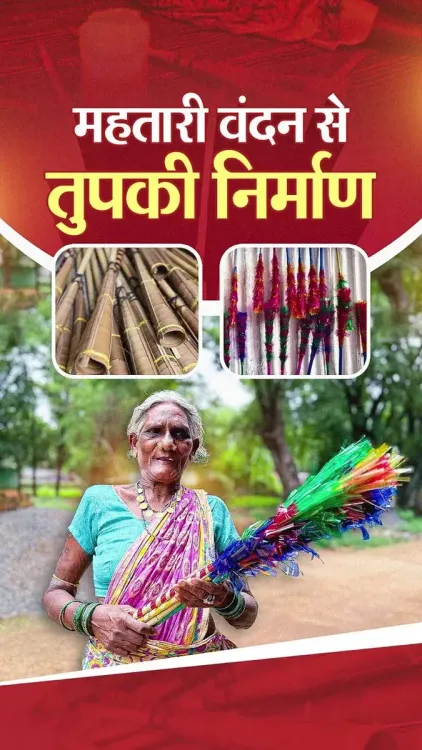
The Chhattisgarh Chief Minister's Office spotlighted a unique convergence in Bastar on 15 July 2026: women beneficiaries of the Mahatari Vandan Yojana are directing a portion of their monthly assistance toward Goncha Parv preparations, blending state welfare delivery with the preservation of indigenous tribal culture.
Key Takeaways
The Chief Minister's Office of Chhattisgarh posted on 15 July 2026 highlighting a cultural-welfare convergence in Bastar .
Women beneficiaries of the Mahatari Vandan Yojana are contributing scheme funds toward preparations for the annual Goncha Parv tribal festival.
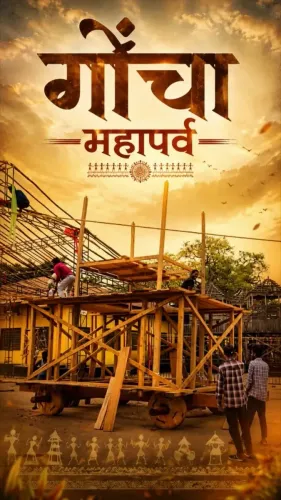
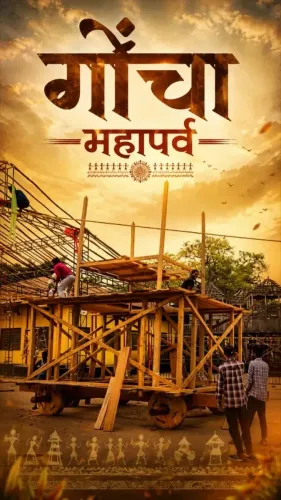
Goncha Parv is a major tribal festival in southern Chhattisgarh tied to harvest and religious traditions, with wide community participation.
The initiative aligns with the state's Aatmanirbhar Nari and Vocal for Local frameworks, linking economic empowerment with cultural preservation.
Local artisans, folk-art practitioners and youth involved in Lok Kala traditions are among the indirect beneficiaries of this community spending.
Policy observers will watch for formal mechanisms or utilisation reports linking Mahatari Vandan Yojana disbursements to cultural programming in future cycles.
The Chief Minister's Office of Chhattisgarh, on Wednesday, 15 July 2026, highlighted a distinctive convergence unfolding in Bastar — where women beneficiaries of the Mahatari Vandan Yojana are channelling a portion of their monthly assistance toward preparations for the Goncha Parv, the region's celebrated annual tribal festival, while simultaneously carrying forward Bastar's rich cultural heritage to the next generation.
The official post read: 'Bastar ki samriddh sanskritik virasat ko nayi peedhi tak pahunchane ka kaam aur Mahatari Vandan Yojana ki raashi se Goncha Parv ki taiyaariyon mein yogdan, ye anokha sangam Bastar mein dekhne ko mil raha hai' — translated: 'The work of passing Bastar's rich cultural heritage to the new generation, and the contribution to Goncha Parv preparations through funds from the Mahatari Vandan Yojana — this unique confluence is being witnessed in Bastar.'
Context
Goncha Parv is one of the most prominent festivals of the Bastar region in southern Chhattisgarh, marked by tribal rituals, community processions and celebrations tied to local harvest and religious traditions. The festival draws wide participation from tribal communities and serves as a living expression of Bastar's indigenous cultural identity. This year, the Chief Minister's Office has drawn public attention to the role women beneficiaries are playing in sustaining and funding these preparations.Policy Backdrop
The Mahatari Vandan Yojana is a state government welfare programme designed to provide direct monthly financial assistance to eligible women in Chhattisgarh, aimed at household support and economic empowerment. The scheme is positioned within the broader Aatmanirbhar Nari (self-reliant woman) framework that successive state governments in central and eastern India have pursued. The current development — where scheme recipients are voluntarily directing funds toward community cultural events — is being presented as an organic extension of that empowerment goal, fusing economic agency with cultural participation. State governments across tribal-majority districts have increasingly sought to link women-centric welfare transfers to visible community outcomes, including seasonal festivals and craft displays. The Vocal for Local framing, referenced in the official post's hashtags, reinforces this dual objective: supporting local artisans and traditions while demonstrating the on-ground impact of direct benefit transfers.Stakeholders and Impact
Bastar's predominantly tribal population stands at the centre of this initiative. Women beneficiaries of the Mahatari Vandan Yojana emerge as active cultural stakeholders, not merely passive recipients of state support. Local artisans, festival organisers and youth groups engaged in preserving Lok Kala (folk art) traditions also benefit, as community spending on Goncha Parv preparations sustains demand for indigenous crafts and performance traditions. The Chief Minister's Office framing positions this as a model of community-led cultural continuity backed by welfare infrastructure.What's Next
As Goncha Parv preparations intensify, attention will turn to the scale and nature of community participation, and whether the state formalises any mechanism linking scheme disbursements to cultural programming. Utilisation reports or social audits of Mahatari Vandan Yojana funds directed toward cultural events in the coming financial year will be closely watched by policy observers. If this convergence is sustained and documented, it could inform similar linkages in other tribal-majority districts of Chhattisgarh and neighbouring states, offering a replicable model for embedding welfare transfers within indigenous cultural ecosystems.Point of View
Not just economic relief. By tying the Mahatari Vandan Yojana to Goncha Parv, the ruling dispensation signals that women's empowerment and tribal identity are complementary, not competing, policy goals. This fits a broader pattern across central and eastern Indian states where governments seek to make welfare spending visible through cultural spectacle, reinforcing both electoral loyalty and local pride. The model, if it holds, could become a template for integrating cash-transfer schemes with intangible heritage preservation in tribal districts nationwide.
NationPress
15 Jul 2026
Frequently Asked Questions
What is the Mahatari Vandan Yojana in Chhattisgarh?
The Mahatari Vandan Yojana is a Chhattisgarh government scheme that provides direct monthly financial assistance to eligible women, aimed at household support and economic empowerment under the Aatmanirbhar Nari framework.
What is Goncha Parv and why is it significant?
Goncha Parv is a major annual tribal festival in the Bastar region of southern Chhattisgarh , featuring rituals, processions and community celebrations tied to local harvest and religious traditions, and is a key expression of the region's indigenous cultural identity.
How are Mahatari Vandan Yojana funds being used for Goncha Parv?
According to the Chief Minister's Office of Chhattisgarh , women beneficiaries of the Mahatari Vandan Yojana are voluntarily contributing a portion of their monthly scheme assistance toward Goncha Parv preparations in Bastar .
Where is Bastar located and what is its cultural importance?
Bastar is a district in southern Chhattisgarh with a predominantly tribal population, known nationally for its distinct art forms, folk traditions, festivals and indigenous cultural practices.
What does Vocal for Local mean in the context of Chhattisgarh tribal festivals?
In this context, Vocal for Local refers to the state government's push to encourage community spending on local artisans, crafts and indigenous festivals — here, scheme beneficiaries supporting Goncha Parv preparations rather than spending outside the local cultural economy.