CM Office: Chamoli fish farming gets new momentum
Synopsis
The Chief Minister's Office of Uttarakhand says fish farming in Chamoli district is gaining momentum, with local fish seed production expected to lower input costs and raise incomes for rural fish farmers in the Garhwal Himalayas.
Key Takeaways
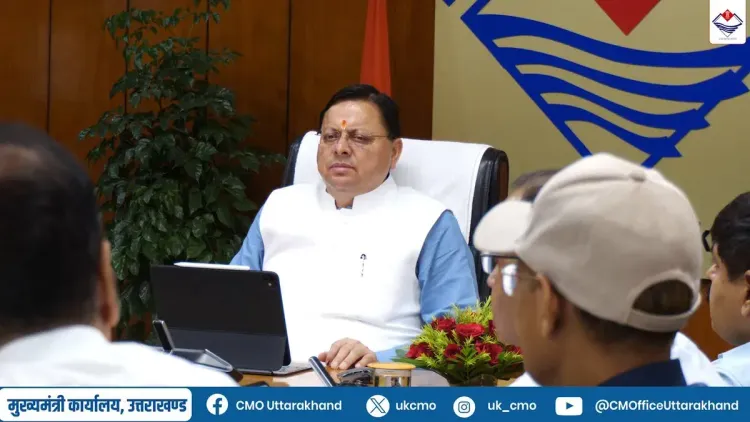
The Chief Minister's Office of Uttarakhand highlighted new momentum in fish farming in Chamoli district on 29 July 2026 .
Local-level fish seed production is the centrepiece of the push, aimed at reducing farmer dependence on distant, costly seed suppliers.
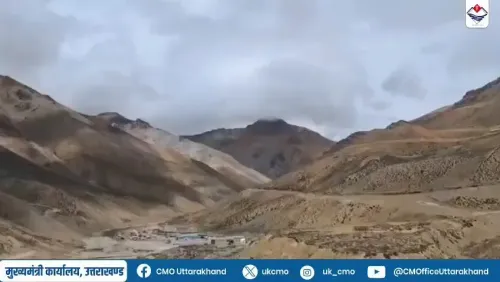
Chamoli is a predominantly rural district in the Garhwal Himalayas with an economy anchored in agriculture and horticulture.
Himalayan states have increasingly promoted aquaculture as a supplementary livelihood that does not compete with cropland.
The initiative aligns with broader state efforts to diversify rural incomes and reduce out-migration from hill villages.
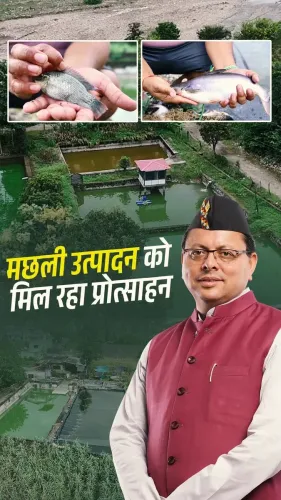
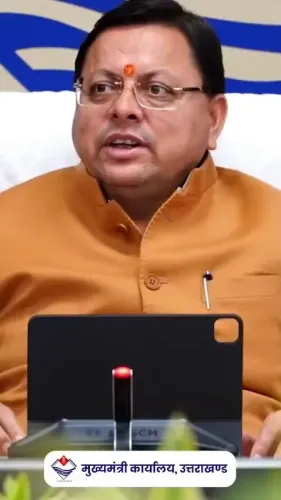
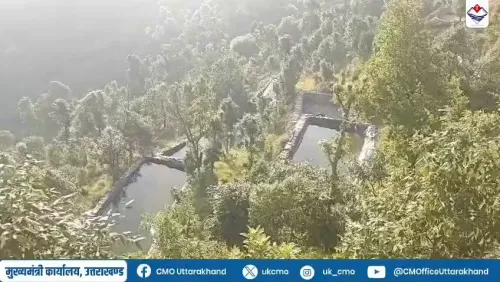
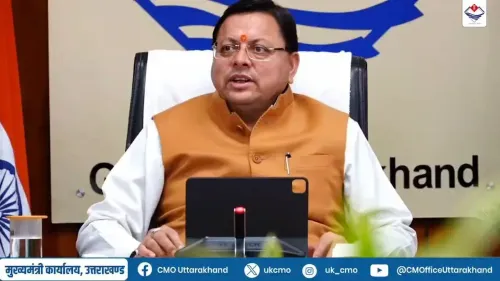
In the high-altitude villages of Chamoli district, fish farming is picking up speed — and the push to produce fish seed locally could quietly reshape household incomes across one of Uttarakhand's most rural corners. The Chief Minister's Office of Uttarakhand highlighted the development on Wednesday, 29 July 2026, signalling state-level attention to aquaculture as a livelihood tool in the Garhwal Himalayas.
The post, shared in Hindi, reads: 'Janpad Chamoli mein matsya palan ko mil rahi nayi raftaar, sthaniya star par matsya beej utpadan se kisanon ki aay mein hogi badhotari.' — 'Fish farming in Chamoli district is gaining new momentum; local-level fish seed production will increase the income of farmers.'
Why local seed production changes the equation
For small fish farmers in the Himalayas, one of the biggest cost pressures has always been sourcing fish seed — the juvenile fish or fertilised eggs needed to stock ponds and tanks. When seed must be transported from distant hatcheries in the plains, costs climb and quality can deteriorate in transit. Local seed production units cut that dependency at the root, lowering input costs and giving farmers more control over their production cycle. Chamoli, nestled in the Garhwal Himalayas, has a predominantly rural economy where agriculture, horticulture, and increasingly aquaculture serve as the main livelihood pillars. State governments across India's Himalayan belt have long promoted fish farming as a supplementary income stream — one that does not compete with cropland and can be integrated into existing farm operations.Aquaculture's role in Uttarakhand's rural income push
The emphasis on local fish seed production fits a broader pattern of Himalayan states trying to reduce rural out-migration by making farming more profitable at home. When a farmer can earn from fish alongside traditional crops, the calculus of staying in a hill village shifts. Aquaculture also benefits from Uttarakhand's cold, clean river systems and natural water bodies — a geographic advantage that the plains simply cannot replicate. The state's focus on Chamoli specifically, a district that includes high-altitude terrain and remote villages, suggests an intent to extend these livelihood gains beyond the more accessible lower hills. How quickly fish seed production units are established and how many farmers are brought into the fold will determine whether this momentum translates into measurable income gains on the ground. For Chamoli's fish farmers, the direction is clear — the question now is the scale and speed of delivery.Point of View
And farmer adoption follows. It fits a wider Himalayan-state playbook of using aquaculture to diversify rural income without displacing traditional farming. The real test will be institutional: whether hatchery infrastructure is actually built at scale, or whether the announcement remains aspirational. If delivered, it could serve as a replicable model for other remote Garhwal and Kumaon districts.
NationPress
29 Jul 2026
Frequently Asked Questions
What is the fish farming initiative in Chamoli Uttarakhand?
The Chief Minister's Office of Uttarakhand announced that fish farming in Chamoli district is gaining momentum, with a focus on producing fish seed locally to reduce costs and increase incomes for rural farmers.
How does local fish seed production help farmers in Chamoli?
Local fish seed production eliminates the need to source juvenile fish from distant plains hatcheries, cutting transport costs and quality losses in transit, which directly lowers input costs for small-scale fish farmers.
Why is aquaculture promoted in Uttarakhand's Himalayan districts?
Uttarakhand's cold, clean river systems and natural water bodies give the region a natural advantage for fish farming. It also provides a supplementary income stream that does not compete with existing cropland, helping reduce rural out-migration.
Which district is the focus of Uttarakhand's new fish farming push?
Chamoli district , located in the Garhwal Himalayas, is the focus of this fish farming and local seed production initiative highlighted by the state's Chief Minister's Office.
What is matsya palan in the context of Uttarakhand?
'Matsya palan' is the Hindi term for fish farming or pisciculture. In Uttarakhand, it refers to state-supported aquaculture efforts aimed at boosting rural livelihoods, particularly in hill districts like Chamoli.