CM Office Uttarakhand Spotlights Champawat Woman's Dairy Success
Synopsis
The Chief Minister's Office of Uttarakhand has highlighted Usha Manral of Champawat district as a model rural entrepreneur whose dairy production work has strengthened her family's economy, reflecting the state's broader push for women-led livestock micro-enterprises in its hill districts.
Key Takeaways
The Chief Minister's Office of Uttarakhand spotlighted Usha Manral of Champawat district on 24 July 2026 as a model of rural women's entrepreneurship.
Dairy production is credited with strengthening Usha Manral's family economy, according to the official post.
Champawat is a hilly district in Uttarakhand's Kumaon division where small-scale livestock activities are a key livelihood source.
Uttarakhand has promoted dairy and animal husbandry as rural livelihood pillars since state formation in 2000 .
The state government regularly profiles individual beneficiaries to demonstrate policy impact and encourage replication among rural women in similar circumstances.
Expanded dairy infrastructure or women's entrepreneurship programmes in other Uttarakhand districts may follow such high-profile spotlights.
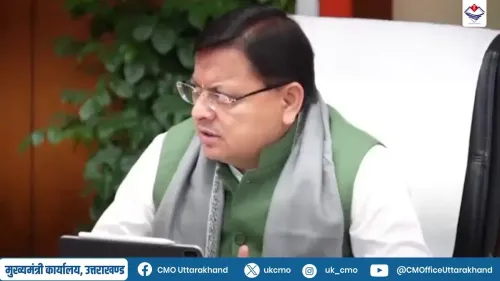
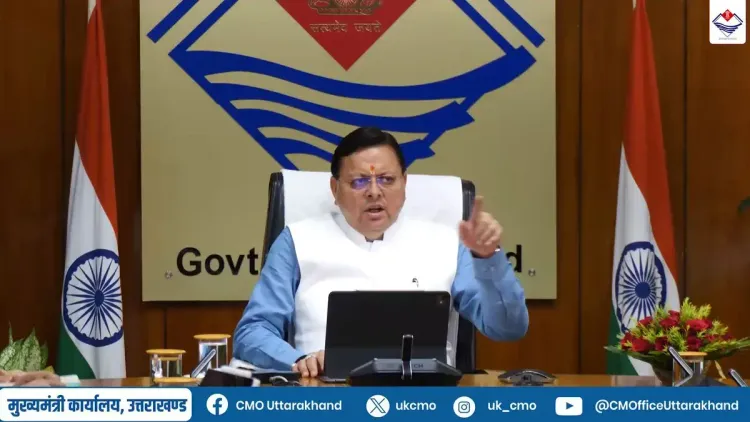
The Chief Minister's Office of Uttarakhand on Friday, 24 July 2026, highlighted Usha Manral of Champawat district as a model of rural women's entrepreneurship, crediting her dairy production work with strengthening her family's economic standing.
Context
The official post reads: 'Janpad Champawat ki Usha Manral bani gramin mahila udyamita ki misal, dugdh utpadan se parivar ki aarthiki hui mazboot' — ('Usha Manral of Champawat district has become a model of rural women's entrepreneurship; dairy production has strengthened the family's economy'). The announcement positions Usha Manral as a grassroots success story from one of Uttarakhand's hilly districts, where livelihoods have historically depended on agriculture and animal husbandry.
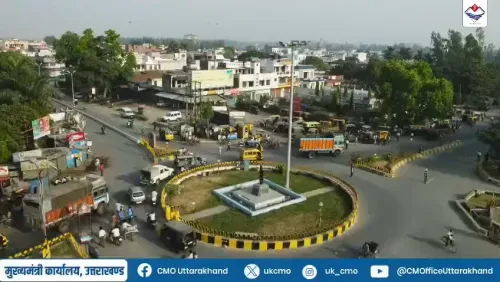
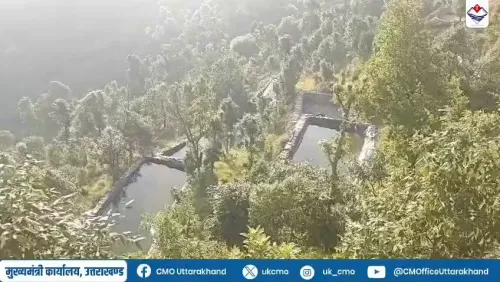
Champawat is a mountainous district in the Kumaon division of Uttarakhand, where terrain constraints limit large-scale farming but make small-scale livestock and dairy activities viable for rural households. Stories from this region often reflect the economic realities of families that rely on multiple micro-income streams.
Policy Backdrop
Since its formation in 2000, Uttarakhand has consistently promoted dairy and animal husbandry as pillars of rural livelihood, building on the national dairy development framework. The state government has periodically highlighted individual beneficiaries to demonstrate the on-ground impact of these programmes in remote and hilly areas.
Women-led rural entrepreneurship has been a recurring focus of both state and central government policy, with dairy micro-enterprises seen as a practical pathway to household income stability — particularly in regions experiencing out-migration of working-age men. The spotlight on Usha Manral fits this broader pattern of using individual success narratives to validate policy direction.
Stakeholders and Impact
The primary beneficiaries of such initiatives are rural women and small dairy farmers in Uttarakhand's hill districts. When a household shifts from subsistence to surplus dairy production, it can reduce dependence on remittances and create a more stable local income base.
For communities in districts like Champawat, where out-migration has been a long-standing challenge, visible success stories can serve as a practical demonstration that livestock-based micro-enterprises are viable. The state government's decision to amplify Usha Manral's story through its official channel signals an intent to encourage replication among other rural women in similar circumstances.
What's Next
The profiling of individual rural entrepreneurs by the Chief Minister's Office often precedes or accompanies broader programmatic announcements — such as expanded dairy infrastructure, credit linkages, or women's self-help group support — in other districts of Uttarakhand. Whether Usha Manral's case is linked to a specific scheme rollout remains to be seen from future official communications.
If the state government follows through with scaled support for dairy-based women's entrepreneurship across hill districts, it could have meaningful implications for household incomes and out-migration patterns in Uttarakhand's more remote communities.
Point of View
A district that rarely commands headline attention, becomes a policy proof-point for the viability of livestock-based micro-enterprises in difficult terrain. This pattern of individual spotlights often functions as a precursor to broader scheme announcements or budget allocations, making it worth watching for follow-up programmatic action. Sustained impact will depend on whether such stories translate into systemic support — credit access, cold-chain infrastructure, and market linkages — rather than remaining one-off narratives.
NationPress
24 Jul 2026
Frequently Asked Questions
Who is Usha Manral from Champawat Uttarakhand?
Usha Manral is a resident of Champawat district in Uttarakhand who has been highlighted by the state's Chief Minister's Office as a model of rural women's entrepreneurship for strengthening her family's economy through dairy production.
Why is the Uttarakhand government promoting dairy farming for rural women?
Uttarakhand has promoted dairy and animal husbandry as key rural livelihoods since its formation in 2000 , seeing them as practical pathways to household income stability — especially in hilly districts where large-scale farming is not feasible and out-migration is a challenge.
What is the significance of Champawat district in Uttarakhand?
Champawat is a hilly district in Uttarakhand's Kumaon division where livelihoods traditionally depend on agriculture, animal husbandry, and small-scale dairy. It is representative of the economic challenges and opportunities faced by many of Uttarakhand's remote mountain communities.
How does the Uttarakhand government support rural women entrepreneurs?
The Uttarakhand government supports rural women entrepreneurs through promotion of livestock and dairy micro-enterprises, profiling of individual success stories to encourage replication, and alignment with national women-led rural entrepreneurship priorities. Specific scheme details are communicated through official government channels.
What does dairy production mean for family income in Uttarakhand's hill districts?
In Uttarakhand's hill districts like Champawat , dairy production can shift a household from subsistence to surplus income, reducing dependence on remittances and providing a more stable local economic base — which is why the state government actively promotes it as a livelihood model for rural women.