CM Bhupendra Patel Launches Samras Vidya Setu Abhiyan in Gujarat
Synopsis
Chief Minister Bhupendra Patel launched the Samras Vidya Setu Abhiyan from Ahmedabad on 22 July 2026, a statewide Gujarat drive to re-enrol school dropouts and guarantee continuous, quality education for every child — with district-level conferences planned across the state to follow.
Key Takeaways
Chief Minister Bhupendra Patel launched the Samras Vidya Setu Abhiyan from Ahmedabad on 22 July 2026 .
The campaign aims to prevent dropout caused by migration, epidemics, and economic hardship and to re-enrol children who have already left school.
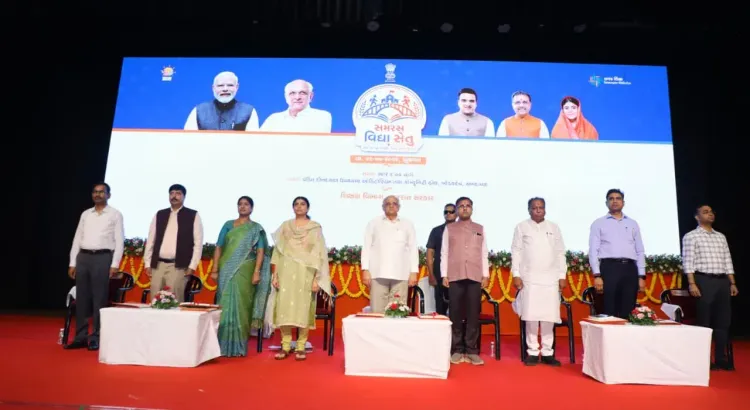
Education Minister Pradyuman Vaja , State Education Minister Rivaba Jadeja , and Urban Development State Minister Darshana Vaghela were present at the launch.
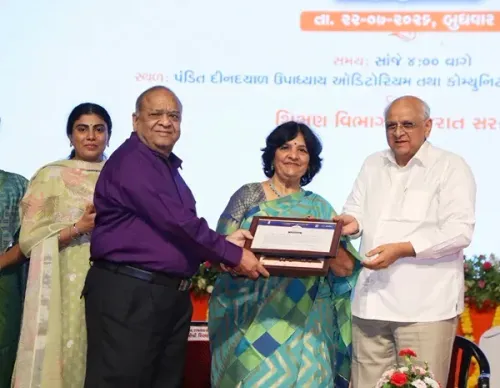
Social organisations and teachers who re-enrolled dropout students were formally honoured by the Chief Minister at the event.
District-level Samras Vidya Setu conferences are scheduled across Gujarat in the coming months to decentralise implementation.
The campaign's guiding motto is: 'Koi na rahe pachhal, vidya vadhare aagal' — 'Let no one fall behind, let learning move forward'.
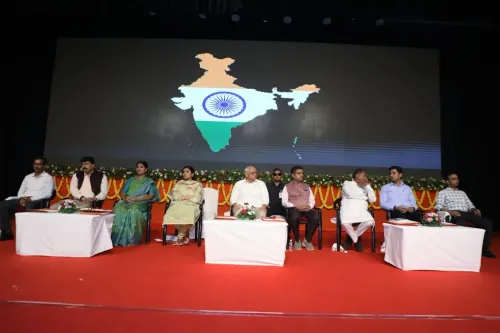
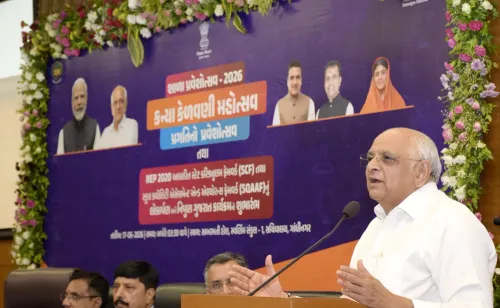
The Chief Minister's Office of Gujarat announced on Wednesday, 22 July 2026 that Chief Minister Bhupendra Patel launched the Samras Vidya Setu Abhiyan — a statewide education campaign — from Ahmedabad, in the presence of senior ministers and dignitaries, marking what the government described as a historic initiative to ensure no child is left out of the schooling system.
Context
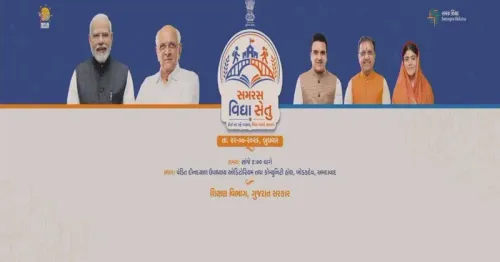
The campaign, whose name translates broadly as 'Harmonious Bridge of Learning Mission', was launched with the stated resolve of reaching every child in Gujarat with continuous, quality education. Chief Minister Bhupendra Patel used the occasion to honour social organisations working in the education sector as well as teachers who have successfully re-enrolled dropout students — recognising ground-level actors as central to the drive.
The government's stated motto for the campaign is 'Koi na rahe pachhal, vidya vadhare aagal' — 'Let no one fall behind, let learning move forward' — encapsulating its zero-dropout ambition. Education Minister Pradyuman Vaja, State Education Minister Rivaba Jadeja, and Urban Development State Minister Darshana Vaghela were present at the launch.
Policy Backdrop
The Samras Vidya Setu Abhiyan is rooted in the legal framework of the Right to Education Act, 2009, which mandates free and compulsory education for children aged 6 to 14 across India and forms the basis for state-level dropout-prevention efforts. Gujarat has run successive enrolment drives aligned with national frameworks including Sarva Shiksha Abhiyan and the National Education Policy 2020.
The campaign specifically targets barriers that interrupt schooling — migration, epidemic outbreaks, economic hardship, and other circumstances that force children to discontinue mid-course. By naming these barriers explicitly, the government signals an intent to build systemic responses rather than one-off enrolment pushes.
Stakeholders and Impact
The primary beneficiaries are school-age children across Gujarat, particularly those from economically vulnerable households or communities with high seasonal migration rates. Teachers who identify and re-enrol dropout students are positioned as frontline implementers, while social organisations receive formal recognition as partners in delivery.
The campaign's district-level architecture means that implementation will be decentralised: district-level Samras Vidya Setu conferences are planned across the state in the coming months, creating local accountability structures for tracking re-enrolment and retention. This approach is designed to ensure the campaign reaches rural and tribal pockets that typically see the highest dropout rates.
What's Next
The immediate next step is the rollout of district-level Samras Vidya Setu conferences across all districts of Gujarat, which the government has committed to organising in the period ahead. These conferences are expected to mobilise local administrators, teachers, and civil society groups around shared re-enrolment targets.
Observers will watch for official data on the number of children re-enrolled under the campaign, retention rates at the district level, and the government's follow-through on recognising and resourcing the social organisations it honoured at the launch. The campaign's long-term credibility will hinge on whether its district-level machinery translates the Ahmedabad launch into measurable outcomes on the ground.
Point of View
A shift that reflects pressure from the National Education Policy 2020's emphasis on learning outcomes. By publicly honouring teachers who bring back dropouts, the administration is attempting to create a peer incentive structure at the school level, which is a more granular approach than top-down enrolment drives. The planned district-level conferences suggest the government wants to build political visibility for the campaign ahead of what will eventually be an electoral cycle, using education delivery as a governance credential. Whether the campaign produces verifiable re-enrolment data — or remains largely ceremonial — will determine how it is ultimately judged.
NationPress
21 Oct 2026
Frequently Asked Questions
What is the Samras Vidya Setu Abhiyan in Gujarat?
The Samras Vidya Setu Abhiyan is a statewide Gujarat government campaign launched on 22 July 2026 to re-enrol school dropouts and ensure every child receives continuous, quality education by addressing barriers such as migration, economic hardship, and health disruptions.
Who launched the Samras Vidya Setu Abhiyan?
Chief Minister Bhupendra Patel launched the Samras Vidya Setu Abhiyan from Ahmedabad, in the presence of Education Minister Pradyuman Vaja, State Education Minister Rivaba Jadeja, and Urban Development State Minister Darshana Vaghela.
What does 'Samras Vidya Setu' mean in English?
'Samras Vidya Setu' broadly translates to 'Harmonious Bridge of Learning' in English, reflecting the campaign's goal of bridging the gap between out-of-school children and the education system.
What are district-level Samras Vidya Setu conferences?
District-level Samras Vidya Setu conferences are planned gatherings across all districts of Gujarat where local administrators, teachers, and social organisations will coordinate to identify and re-enrol dropout students under the campaign.
What is the motto of the Samras Vidya Setu Abhiyan?
The campaign's motto is 'Koi na rahe pachhal, vidya vadhare aagal', which means 'Let no one fall behind, let learning move forward', reflecting the government's zero-dropout ambition.