CM Bhupendra Patel marks 11 years of Digital India
Synopsis
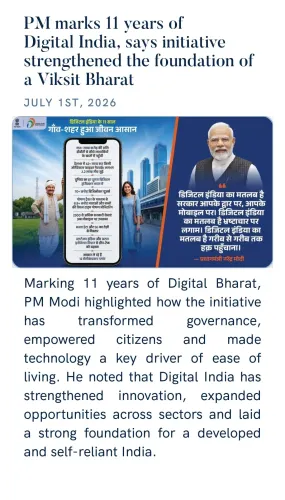
Gujarat Chief Minister Bhupendra Patel marked the 11th anniversary of Digital India on 1 July 2026, hailing PM Narendra Modi's leadership for transforming governance, enabling world-class digital payments, and advancing the Viksit Bharat vision.
Key Takeaways
Gujarat Chief Minister Bhupendra Patel marked the 11th anniversary of Digital India on 1 July 2026 with a post on X.
The Digital India programme was originally launched by PM Narendra Modi on 1 July 2015 to digitise governance and public service delivery.
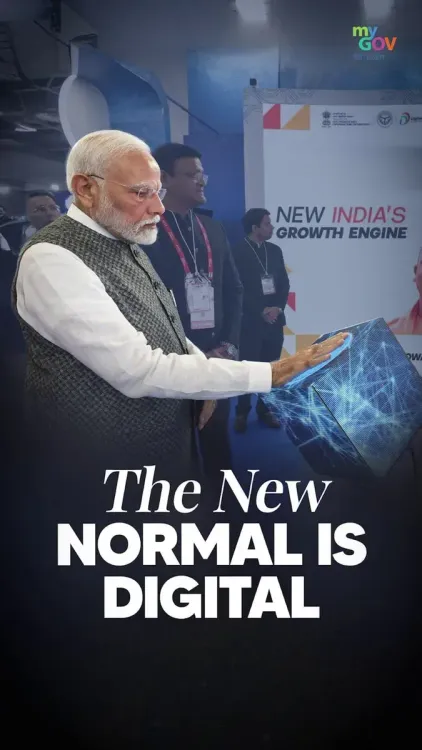
CM Patel highlighted digital inclusion, transparent service delivery, digital payments, and emerging technologies as the programme's key pillars.
The post explicitly links Digital India to the Viksit Bharat vision of a developed India by 2047 .
India's UPI -based payments infrastructure is referenced as a world-leading achievement of the programme's decade-long run.
The next phase of Digital India is expected to focus on AI and 5G integration in public services.
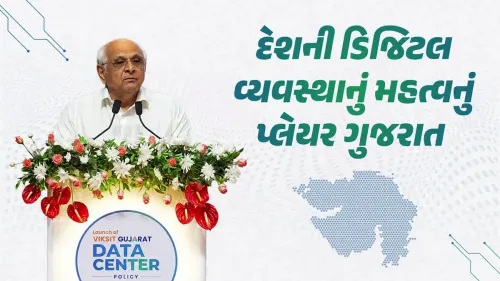
Gujarat Chief Minister Bhupendra Patel on Wednesday, 1 July 2026 marked the 11th anniversary of the Digital India programme, crediting Prime Minister Narendra Modi's leadership for transforming governance, empowering citizens, and driving innovation across the country.
Context
In his post, CM Patel wrote that '11 Years of Digital India' has 'transformed governance, empowered citizens and unlocked limitless opportunities for innovation and growth.' He specifically highlighted digital inclusion, transparent service delivery, world-leading digital payments, and emerging technologies as pillars of the programme's decade-long journey.
The tribute comes on 1 July, the exact anniversary of the programme's launch. Digital India was inaugurated by Prime Minister Narendra Modi on 1 July 2015 with the stated aim of delivering digital infrastructure and government services electronically to every Indian.
Policy Backdrop
The Digital India initiative has evolved over successive phases to encompass Aadhaar-enabled direct benefit transfers, the Unified Payments Interface (UPI)-based payments ecosystem, and nationwide broadband expansion. India's digital payments infrastructure has drawn international attention, with UPI frequently cited as a model for real-time payment systems globally.
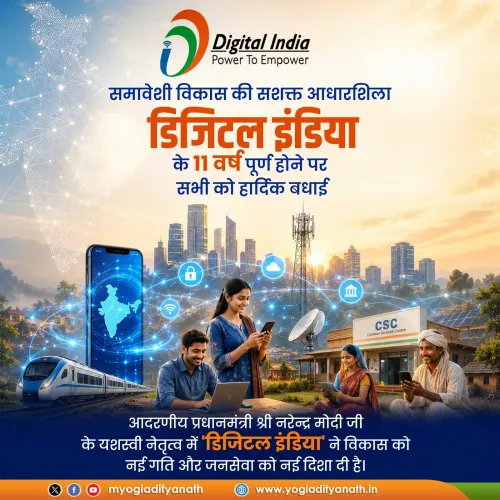
The programme is framed within the broader Viksit Bharat vision — the government's long-term goal of making India a developed nation by 2047. CM Patel directly invoked this linkage, stating that 'Digital India is powering the journey towards a Viksit Bharat and making every Indian a partner in the nation's progress.'
Stakeholders and Impact
The programme's primary beneficiaries span Indian citizens accessing e-governance services, technology entrepreneurs building on public digital infrastructure, and rural communities connected through broadband and mobile internet expansion. Gujarat, as one of India's industrially advanced states, has been an active participant in rolling out digital governance platforms at the state level.
BJP-led state governments, including Gujarat, have consistently aligned their administrative messaging with central Digital India milestones, presenting the programme's anniversary as evidence of shared national progress under PM Modi's leadership.
What's Next
The next phase of the Digital India roadmap is expected to focus on artificial intelligence and 5G integration in public services, with central government budget allocations and policy guidelines anticipated in forthcoming announcements. As the programme enters its second decade, the emphasis is likely to shift toward deepening technology adoption in tier-2 and tier-3 cities and rural areas, reinforcing the Viksit Bharat framework ahead of 2047.
Point of View
Such statements from chief ministers serve as political amplifiers for federal policy rather than independent state-level announcements.
NationPress
30 Sept 2026
Frequently Asked Questions
What is Digital India and when was it launched?
Digital India is a flagship national programme launched by Prime Minister Narendra Modi on 1 July 2015 to build digital infrastructure, deliver government services electronically, and promote digital inclusion across India.
Why did Gujarat CM Bhupendra Patel post about Digital India?
CM Bhupendra Patel posted on 1 July 2026 to mark the 11th anniversary of the Digital India programme, crediting PM Modi's leadership for the initiative's achievements in governance, digital payments, and citizen empowerment.
What is Viksit Bharat and how does it relate to Digital India?
Viksit Bharat is the Indian government's vision to make India a fully developed nation by 2047. Digital India is presented as a key enabler of this goal by expanding digital access, e-governance, and technology-driven economic growth.
What has Digital India achieved in 11 years?
Over 11 years, Digital India has been credited with expanding digital inclusion, enabling transparent e-governance service delivery, building a world-leading UPI-based digital payments ecosystem, and laying infrastructure for emerging technologies.
What is the next phase of Digital India expected to focus on?
The next phase of Digital India is expected to emphasise artificial intelligence and 5G integration in public services, with policy guidelines and budget allocations anticipated in forthcoming central government announcements.