CM Pema Khandu bets on Mago-Chuna as AP's next tourism frontier
Synopsis
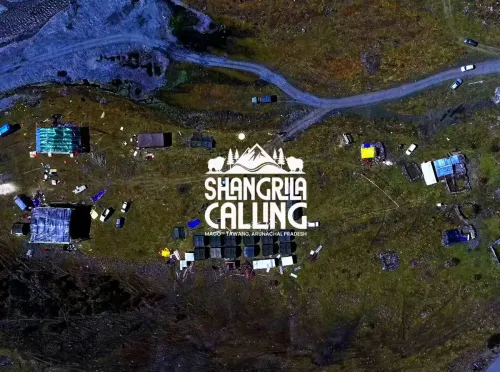
Arunachal Pradesh CM Pema Khandu on 18 October 2026 championed Shangri-La Calling at Mago-Chuna, describing the remote high-altitude destination — known for mountains, lakes, hot springs, and local culture — as a potential tourism game-changer for the state.
Key Takeaways
CM Pema Khandu publicly backed the Shangri-La Calling at Mago-Chuna tourism initiative on 18 October 2026 .
Mago-Chuna features high-altitude lakes, mountain plains, natural hot springs, and distinctive local culture, all currently underdeveloped for tourism.
The push is part of a broader state strategy to expand Arunachal Pradesh's tourism circuit beyond the established Tawang route.
Tourism development in border-adjacent areas also carries strategic significance given Arunachal's borders with China, Bhutan, and Myanmar .
Key infrastructure gaps — access roads, accommodation, and conservation measures — remain unaddressed in the announcement.
Local communities and small tourism operators are the primary potential beneficiaries of the initiative.
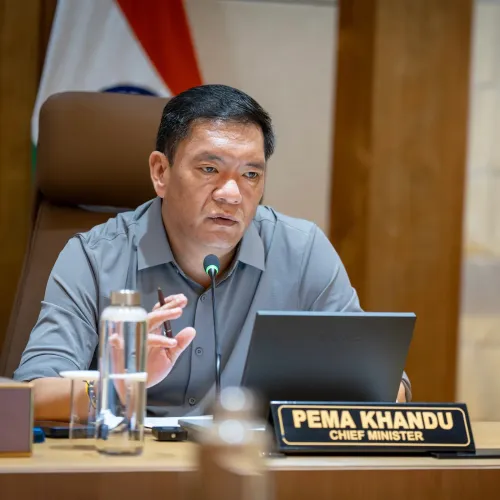
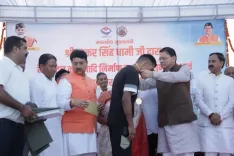
A remote high-altitude stretch in Arunachal Pradesh — one that most Indians couldn't place on a map — just got a powerful advocate. Arunachal Pradesh Chief Minister Pema Khandu on Sunday, 18 October 2026, publicly backed Shangri-La Calling at Mago-Chuna as a potential game-changer for the state's tourism landscape, calling the initiative 'a small beginning' with outsized promise.
What Mago-Chuna actually offers
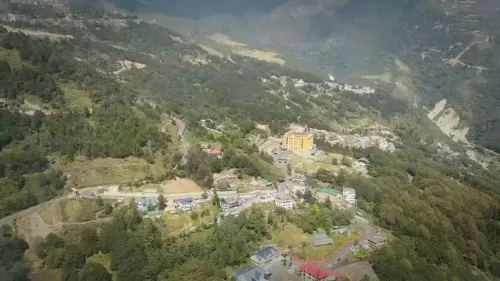
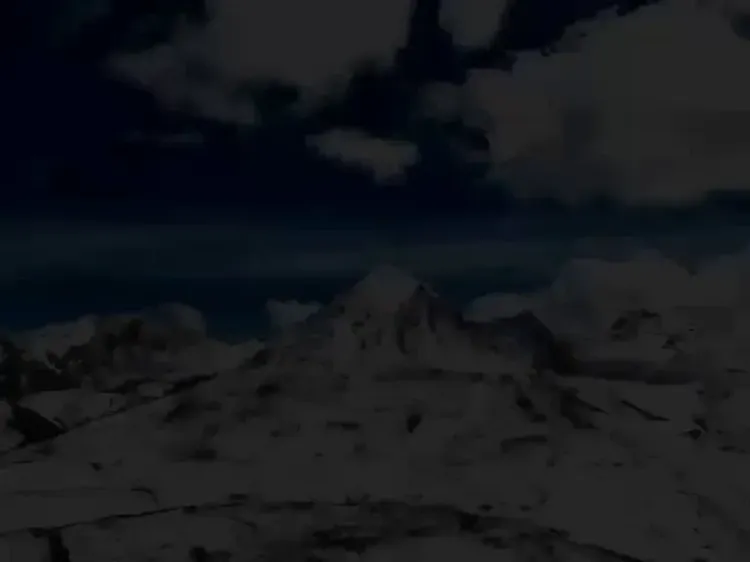
Mago-Chuna sits deep in the high-altitude belt of Arunachal Pradesh — a region defined by snow-draped peaks, undisturbed grassland plains, high-altitude lakes, and natural hot springs that locals have known for generations. CM Khandu pointed to its 'vibrant local culture' as a draw equal to the physical landscape. The combination is rare, and relatively unmarketed — which is precisely the point.
Arunachal Pradesh borders China, Bhutan, and Myanmar, making its frontier zones ecologically distinct and geopolitically sensitive. Tourism development here is never just about visitor numbers; it signals presence, connectivity, and economic stake in terrain that matters.
'Shangri-La Calling' and the push beyond Tawang
For decades, Tawang — with its famous monastery and dramatic Himalayan scenery — has dominated Arunachal's tourism narrative. State governments have consistently tried to widen that circuit, promoting lesser-known pockets of biodiversity and culture to distribute both footfall and income. Shangri-La Calling fits squarely in that tradition, but the Mago-Chuna tag carries extra weight: the name itself evokes James Hilton's mythical Himalayan paradise, a deliberate branding choice aimed at international wanderlust.
The state's eco-tourism push has targeted border-adjacent communities specifically, recognising that connectivity investments — access roads, homestay infrastructure, conservation buffers — serve dual purposes: tourism revenue today, strategic depth tomorrow.
What needs to follow the announcement
A chief minister's endorsement is the easy part. The harder work lies in what CM Khandu himself did not specify: budget allocations, road access upgrades, accommodation infrastructure, and conservation protocols for a fragile high-altitude ecosystem. Mago-Chuna's very remoteness — the quality that makes it magnetic — is also the logistical barrier that has kept mass tourism out. Whether central scheme support under programmes targeting the Northeast supplements state spending will be the real test of how serious 'game changer' turns out to be.
Local communities and small tourism operators stand to gain most if the infrastructure follows. They also stand to lose the most if unmanaged footfall damages the landscapes that make the region worth visiting in the first place.
Arunachal Pradesh has the scenery. It has the story. Now Mago-Chuna needs the road to prove the chief minister right.
Point of View
While simultaneously asserting economic vitality in strategically sensitive border terrain. The branding of Mago-Chuna as a 'Shangri-La' signals an ambition to attract not just domestic but international visitors — a step up from earlier eco-tourism messaging. However, the announcement's silence on funding and timelines means it reads more as political intent than executable roadmap for now. The real test will come in state budget allocations and whether central Northeast-development schemes are mobilised to build the access infrastructure that Mago-Chuna's remoteness currently makes prohibitive.
NationPress
18 Oct 2026
Frequently Asked Questions
Where is Mago-Chuna in Arunachal Pradesh?
Mago-Chuna is a remote high-altitude area in Arunachal Pradesh, located in the state's northern reaches near the Himalayan range. It is known for mountain landscapes, high-altitude lakes, natural hot springs, and grassland plains, and sits close to Arunachal Pradesh's border with China.
What is Shangri-La Calling at Mago-Chuna?
Shangri-La Calling at Mago-Chuna is a tourism promotion initiative focused on developing and marketing the Mago-Chuna region of Arunachal Pradesh as a major destination. CM Pema Khandu described it as 'a small beginning' with potential to become a game-changer for the state's tourism sector.
Why is Arunachal Pradesh promoting tourism in border areas?
Arunachal Pradesh promotes tourism in border-adjacent areas to generate local economic activity and improve infrastructure such as roads and lodging, which also serve strategic connectivity goals given the state's borders with China, Bhutan, and Myanmar.
What is Arunachal Pradesh's most famous tourism destination?
Tawang, home to one of Asia's largest Buddhist monasteries and dramatic Himalayan scenery, has long been Arunachal Pradesh's most prominent tourism draw. Initiatives like Shangri-La Calling at Mago-Chuna are designed to broaden the state's tourism circuit beyond Tawang.
What infrastructure does Mago-Chuna need to develop as a tourist destination?
Mago-Chuna requires improved road access, accommodation facilities such as homestays and eco-lodges, and conservation measures to protect its fragile high-altitude ecosystem. These investments are seen as critical before large-scale tourism can be sustainably developed in the area.