CM Pema Khandu: Buddha's Sacred Relics Reach Tawang
Synopsis
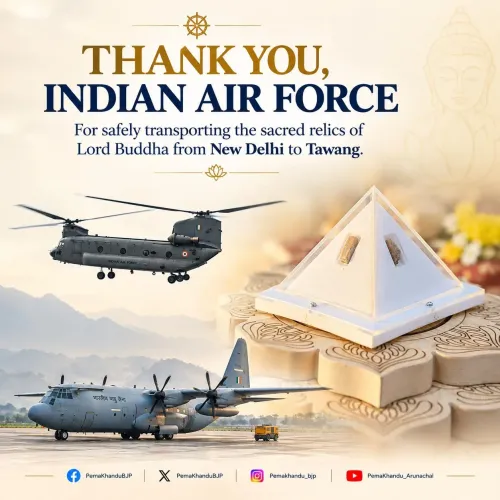
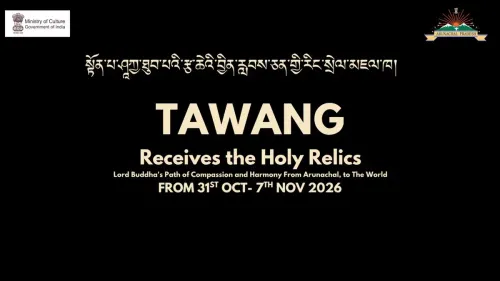
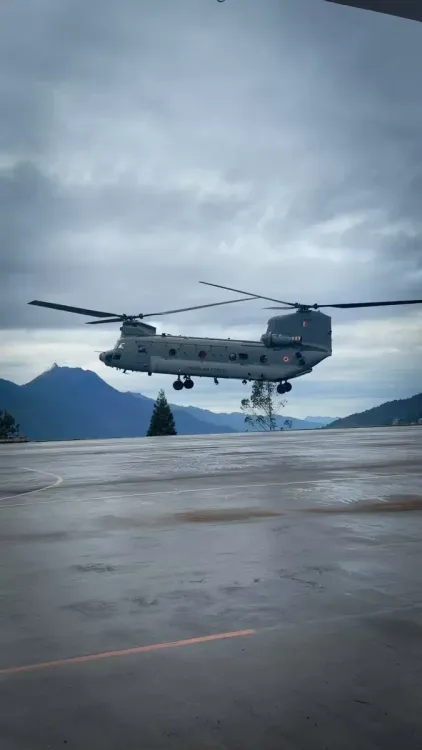
Sacred relics of Lord Buddha, Shakyamuni, originating from the Piprahwa Stupa in Uttar Pradesh, arrived in Tawang from the National Museum on 31 October 2026. Arunachal Pradesh CM Pema Khandu welcomed the occasion, linking it to India's Buddhist heritage mission and calls for peace and compassion.
Key Takeaways
Sacred relics of Lord Buddha, Shakyamuni , arrived in Tawang, Arunachal Pradesh on 31 October 2026 .
The relics originate from the Piprahwa Stupa in Siddharthnagar district, Uttar Pradesh , excavated in 1898 and linked to ancient Kapilavastu .
They were loaned from the National Museum, New Delhi , continuing a Ministry of Culture tradition dating to the 1950s .
Tawang Monastery , founded in the 17th century , is India's largest monastery and a major centre of Tibetan Buddhism.
The event aligns with India's Buddhist Circuit tourism initiative and carries cultural-diplomatic significance given Tawang's contested border context.
CM Pema Khandu called it 'an immense honour' and urged deepening commitment to Buddha's teachings of 'compassion, peace, wisdom and universal brotherhood.'
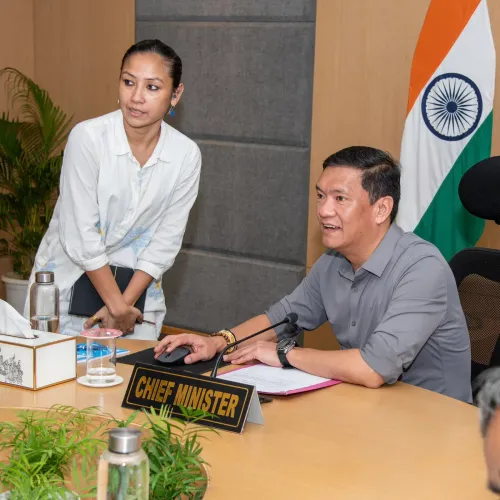
Ancient relics of Lord Buddha, Shakyamuni, arrived in Tawang, Arunachal Pradesh, on Saturday, 31 October 2026 — travelling from the National Museum, New Delhi to one of the subcontinent's most storied centres of Tibetan Buddhism. Arunachal Pradesh Chief Minister Pema Khandu welcomed the arrival, calling it 'an immense honour' for the state.
From Piprahwa's soil to the Himalayan monastery
The relics trace their origins to the Piprahwa Stupa in Siddharthnagar district, Uttar Pradesh — an archaeological site first excavated in 1898 and widely associated with ancient Kapilavastu, the homeland of the Shakya clan and the birthplace world of the man who became the Buddha. Fragments of history that lay buried for two millennia are now resting in a monastery town that sits at the edge of the Tibetan plateau, within sight of Bhutan. The journey itself is a statement.
The Tawang Monastery, founded in the 17th century, is the largest monastery in India and the second largest in the world after Lhasa's Drepung. For the region's large Buddhist population, receiving relics directly linked to the historical Buddha carries a weight that few ceremonial moments can match.
India's Buddhist Circuit and the diplomacy of devotion
The Ministry of Culture has loaned the Piprahwa relics for public veneration and international exhibitions periodically since the 1950s — a tradition that long predates modern cultural diplomacy as a formal instrument. What has sharpened since the mid-2010s is intent: India's Buddhist Circuit tourism initiative explicitly positions the country as the civilisational heartland of Buddhism, linking pilgrimage sites from Bodh Gaya to Sarnath and now, symbolically, to the high-altitude monasteries of Arunachal Pradesh.
Tawang's inclusion in that arc is deliberate. The district borders both Bhutan and the Tibetan plateau, and its Buddhist identity is inseparable from its geopolitical weight. China has for decades contested Indian sovereignty over Tawang, claiming it as part of 'South Tibet.' In that context, a sovereign India sending the Buddha's own relics to Tawang's monastery is not merely a religious gesture — it is a quiet, unambiguous assertion of cultural belonging.
CM Khandu's call and what the relics carry forward
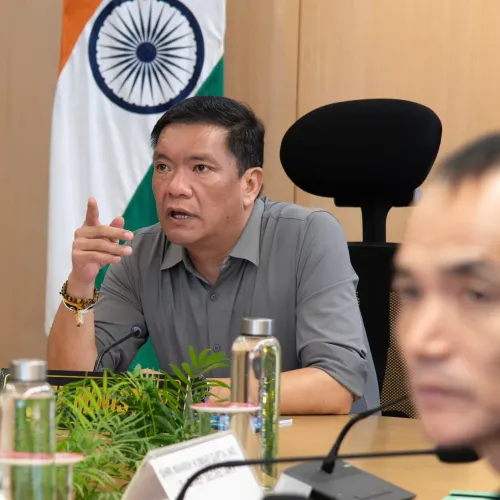
Posting on X, Chief Minister Khandu urged the occasion to 'deepen our collective commitment to the timeless teachings of Lord Buddha on compassion, peace, wisdom and universal brotherhood.' The language is deliberate — universal brotherhood at a monastery town that has watched military standoffs unfold on its doorstep is a message aimed at more than pilgrims.
For Tawang's residents and Buddhist devotees across the northeast, the visit of the relics is simply sacred. Pilgrims travel for days to venerate objects of this significance. That personal, devotional reality sits at the core of an event that also carries layers of cultural policy and strategic meaning — and that coexistence is, in many ways, exactly the point.
The relics are now in Tawang. Whether they travel onward to other monasteries in Arunachal Pradesh or neighbouring states — and what tourism or infrastructure announcements may follow — will tell the fuller story of this journey.
Point of View
Making every assertion of Indian cultural sovereignty there doubly charged. CM Khandu's framing around 'universal brotherhood' is soft in tone but pointed in geography. If the relics tour extends further into the northeastern Buddhist belt, it will signal a more systematic effort to anchor the Buddhist Circuit not just in the Gangetic plains but in India's strategically sensitive Himalayan frontier.
NationPress
31 Oct 2026
Frequently Asked Questions
Where did the Buddha relics come from that arrived in Tawang?
The relics of Lord Buddha, Shakyamuni, came from the National Museum, New Delhi , where they have been housed since the mid-20th century. They originally come from the Piprahwa Stupa in Siddharthnagar district, Uttar Pradesh , an archaeological site linked to ancient Kapilavastu, the homeland of the Shakya clan.
What is the significance of Tawang for Buddhism in India?
Tawang is home to the Tawang Monastery , a 17th-century institution that is the largest monastery in India and the second largest in the world. It is a major centre of Tibetan Buddhism and holds deep religious importance for the large Buddhist population of Arunachal Pradesh and the broader Himalayan region.
What is the Piprahwa Stupa?
The Piprahwa Stupa is an archaeological site in Siddharthnagar district, Uttar Pradesh , first excavated in 1898 . It is widely associated with ancient Kapilavastu , the city where the historical Buddha, Siddhartha Gautama of the Shakya clan, grew up.
Why does India send Buddha relics on tour?
The Ministry of Culture has periodically loaned the Piprahwa relics for public veneration since the 1950s . More recently, such events align with India's Buddhist Circuit tourism initiative , which promotes the country as the birthplace and civilisational home of Buddhism through pilgrim circuits and cultural exhibitions.
What did Arunachal Pradesh CM Pema Khandu say about the relics arriving in Tawang?
CM Pema Khandu said it was 'an immense honour for Arunachal Pradesh to welcome these sacred relics to Tawang' and called on the occasion to 'deepen our collective commitment to the timeless teachings of Lord Buddha on compassion, peace, wisdom and universal brotherhood.'