CM Pema Khandu champions yak conservation at Tawang summit
Synopsis
At the Yak Economy Summit 2026 in Mago, Tawang, Chief Minister Pema Khandu called for a clear conservation roadmap for yaks and better livelihoods for Brokpa herding families, framing the animal as the cultural and economic backbone of Arunachal's high-altitude communities.
Key Takeaways
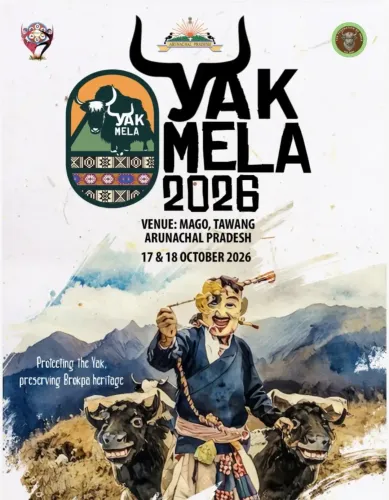
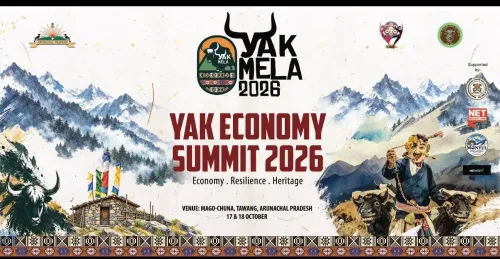
Pema Khandu addressed the Yak Economy Summit 2026 and Yak Mela in Mago, Tawang on 18 October 2026 .
Khandu called for a 'clear roadmap' to strengthen yak conservation and improve herder livelihoods.
The Brokpa are an indigenous high-altitude community in Tawang for whom yaks represent culture, identity and economic survival.
Tawang district borders China, giving these border-community livelihood initiatives a quiet strategic dimension.
The summit signals a shift from ad-hoc support toward structured policy intervention for Himalayan pastoral communities.
No specific scheme outcomes have been formally announced yet; state government follow-up is the key next step.
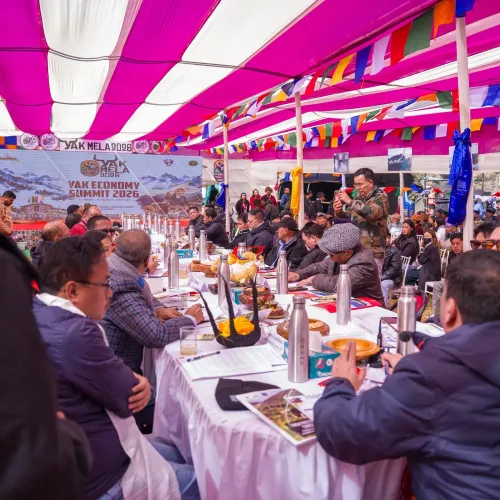
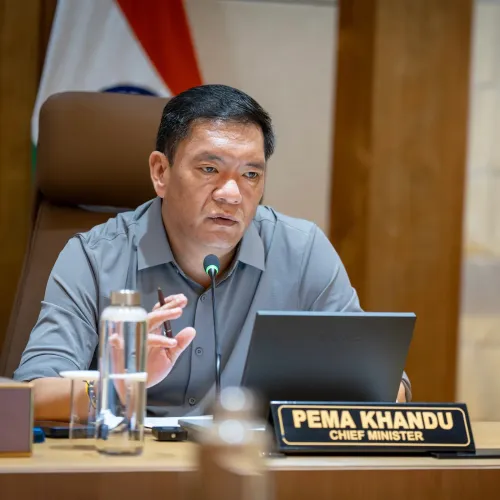
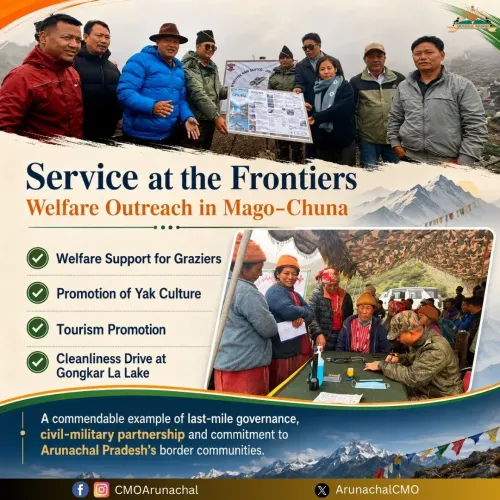
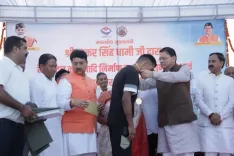
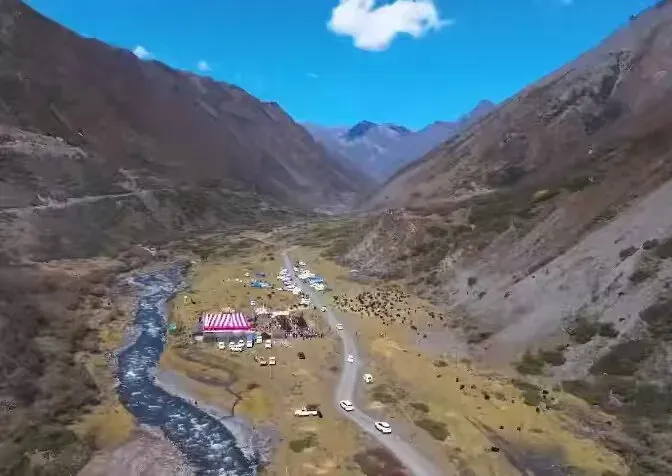
High in the mountains of Tawang, where the air is thin and the terrain unforgiving, a centuries-old way of life is fighting to survive — and Arunachal Pradesh Chief Minister Pema Khandu wants the state to have a plan to save it. On Sunday, 18 October 2026, Khandu addressed the Yak Economy Summit 2026 and Yak Mela in Mago, Tawang district, calling for a concrete roadmap to strengthen yak conservation and improve the livelihoods of the Brokpa herding communities who have called these mountains home for generations.
In his post, Khandu framed the challenge in unmistakably human terms: 'For our Brokpa families, the yak is more than a source of livelihood. It is a part of their culture, their identity and their way of life.' That framing — yak not as livestock but as civilisational anchor — set the tone for what the summit was designed to address.
Mago, Tawang: where the summit met the mountains
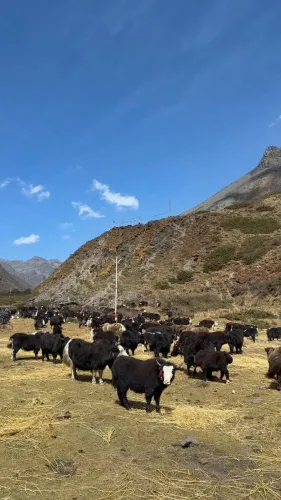
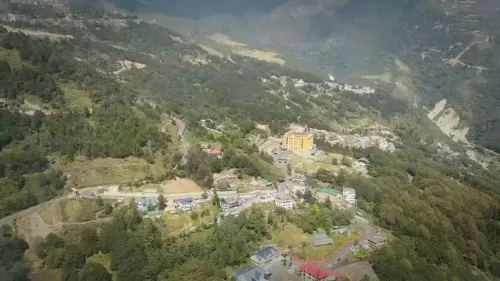
Mago is a remote high-altitude village in Tawang district, the westernmost corner of Arunachal Pradesh, sharing a long and sensitive border with China. It is Brokpa country — a landscape shaped as much by yak culture as by Buddhist traditions. Hosting the Yak Economy Summit here was deliberate: policy being shaped where the problem actually lives.
The Brokpa are an indigenous community whose entire pastoral economy revolves around the yak. Milk, meat, fibre, dung fuel, and pack transport — the animal underpins every aspect of high-altitude survival. As younger generations migrate toward lower-altitude towns and climate pressures alter grazing patterns, the herd population and the knowledge systems around it face quiet erosion.
The push for a yak conservation roadmap
Khandu's call for a 'clear roadmap' signals that ad-hoc support is no longer sufficient. The summit's intent points toward structured interventions — potentially including breeding programmes to strengthen yak genetics, better market linkages for yak wool and dairy products, and recognition of traditional grazing rights. No specific scheme outcomes have been announced yet, but the summit's convening at this scale marks a shift in political attention toward the issue.
The Himalayan border districts of Arunachal Pradesh have long sat at the intersection of ecological fragility, cultural preservation, and national security. Investment in communities like the Brokpa is simultaneously a livelihood question, a conservation question, and — given the proximity to the Line of Actual Control — a quiet strategic one. Settled, economically stable border communities are themselves a form of soft national presence.
Northeast's pastoral tribes in the development frame
The Yak Economy Summit fits into a wider state and central government pattern of mainstreaming tribal livelihoods in India's northeastern Himalayan belt — linking traditional pastoralism with sustainable development goals without uprooting the cultural roots that give those livelihoods meaning. The challenge, as Khandu implicitly acknowledged, is translating intent into durable policy before the herding tradition thins past the point of recovery.
The real test comes next: whether the 'clear roadmap' Khandu called for in Mago materialises as funded schemes, breeding support, and market access — or fades into the altitude.
Point of View
Weaving cultural identity politics with livelihood policy. Framing yak conservation as both an economic and civilisational cause broadens its political appeal beyond herders to a wider tribal electorate. The Tawang belt's proximity to the Line of Actual Control also gives any 'develop the border' narrative a national-security dimension that resonates in New Delhi. Whether the roadmap rhetoric translates into budgeted action will determine whether this summit is remembered as a turning point or a well-attended photo opportunity.
NationPress
18 Oct 2026
Frequently Asked Questions
What is the Yak Economy Summit 2026?
The Yak Economy Summit 2026 is an event held in Mago, Tawang district, Arunachal Pradesh, focused on yak conservation and improving livelihoods for Brokpa yak-herding communities in the high-altitude Himalayan region.
Who are the Brokpa people of Arunachal Pradesh?
The Brokpa are an indigenous high-altitude community in Tawang district, Arunachal Pradesh, whose culture, identity and economy are deeply tied to yak herding. They have sustained pastoral life in the Himalayas for generations.
Why is yak conservation important in Arunachal Pradesh?
Yaks are central to the livelihood, culture and survival of high-altitude communities like the Brokpa. Declining herd populations, climate change and rural migration threaten both the animal and the traditional knowledge systems built around it.
Where is Mago village located?
Mago is a remote high-altitude village in Tawang district, western Arunachal Pradesh, near the border with China. It is home to Brokpa yak-herding communities and hosted the Yak Economy Summit 2026.
What did CM Pema Khandu announce for yak herders?
Khandu called for a clear roadmap to strengthen yak conservation and improve livelihoods for herder families. No specific funded schemes have been formally announced yet; the roadmap is the stated goal.