CM Pema Khandu Hails Gomkhang SHG's Community Spirit
Synopsis
Arunachal Pradesh Chief Minister Pema Khandu spotlighted the Gomkhang Self Help Group of Tsaikhar-Yusum on 22 June 2026, calling its members a model of collective effort. The gesture underscores the state's push to amplify grassroots, DAY-NRLM-backed livelihoods in tribal, remote communities.
Key Takeaways
CM Pema Khandu publicly commended the Gomkhang Self Help Group (SHG) of Tsaikhar-Yusum , Arunachal Pradesh, on 22 June 2026 .
The Chief Minister described SHG members as embodying the spirit that builds 'every successful community.' Arunachal Pradesh integrates the DAY-NRLM framework to extend microfinance and livelihood support to remote tribal areas.
India's SHG architecture dates to the Swarnjayanti Gram Swarozgar Yojana (1999) , restructured into NRLM in 2011 .
Political visibility for local SHGs can trigger stronger administrative support, credit linkages and programme outreach.
The post aligns with the national Atmanirbhar Bharat emphasis on community-driven, self-reliant economic models.
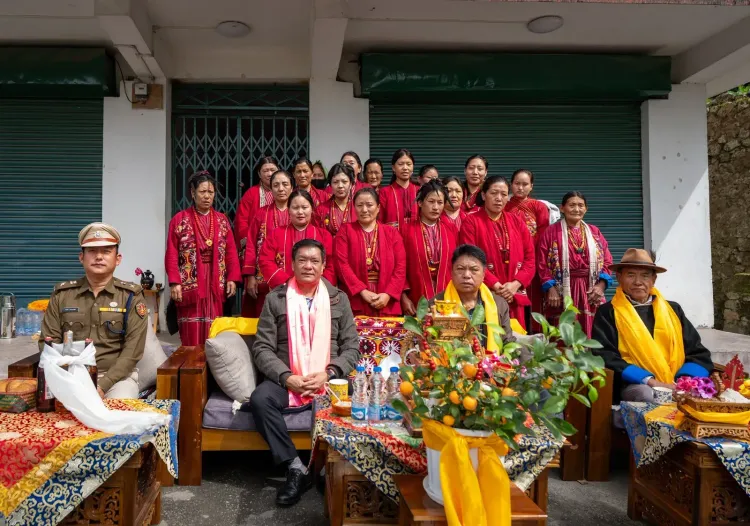
Arunachal Pradesh Chief Minister Pema Khandu on Monday, 22 June 2026, publicly commended the members of the Gomkhang Self Help Group (SHG) of Tsaikhar-Yusum, calling them an embodiment of the spirit of collective effort that underlies every successful community.
Context
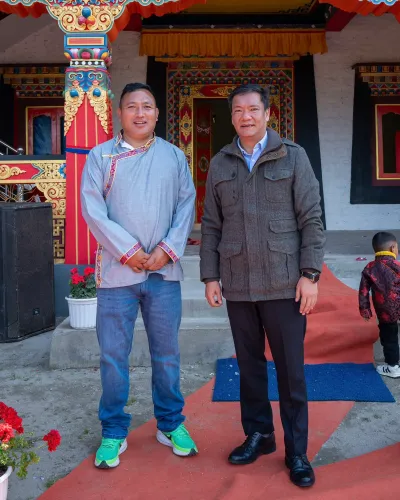
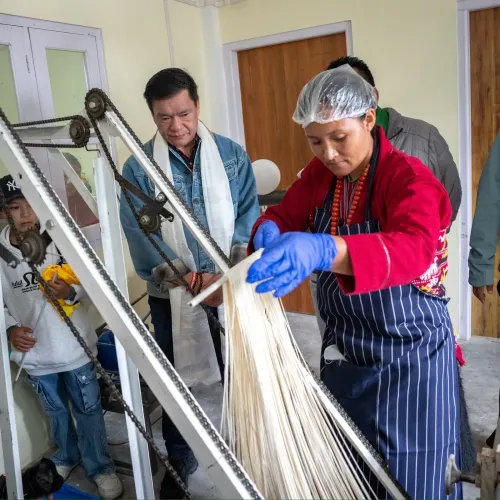
Posting on X, CM Khandu wrote: 'Every successful community is built by people who choose to work together. The members of Gomkhang Self Help Group (SHG), Tsaikhar-Yusum, embody that spirit.' The post, accompanied by an image, drew attention to a grassroots group operating in a remote corner of Arunachal Pradesh — India's northeasternmost state, where difficult terrain has historically limited access to formal employment and financial services.
The shout-out from a sitting Chief Minister to a village-level SHG reflects a deliberate effort to spotlight community-driven models of development at the highest level of state government. Tsaikhar-Yusum is located in a tribal belt where collective enterprises often serve as the primary economic safety net for rural households.
Policy Backdrop
Self Help Groups have been a cornerstone of India's rural development architecture since the late 1990s. The Swarnjayanti Gram Swarozgar Yojana, launched in 1999, first institutionalised SHGs as vehicles for poverty alleviation and microfinance. The programme was restructured and significantly scaled in 2011 into the National Rural Livelihoods Mission (NRLM) — now implemented as DAY-NRLM (Deendayal Antyodaya Yojana – NRLM) — with a mandate to organise rural women into SHGs and link them to credit, markets and government schemes.
Arunachal Pradesh has integrated DAY-NRLM into its state development framework to address the twin challenges of geographic remoteness and limited formal employment, particularly for tribal women. SHGs in the state function as entry points for microfinance, collective enterprise and financial inclusion — areas where conventional banking infrastructure remains thin.
CM Khandu's post also resonates with the broader Atmanirbhar Bharat framework, which elevates community self-reliance as a national development priority. State leaders amplifying local SHG stories has become a visible part of this national emphasis on bottom-up economic models.
Stakeholders and Impact
The primary beneficiaries of SHG promotion in Arunachal Pradesh are rural women from tribal communities, for whom group membership often represents first-time access to institutional credit and collective bargaining power. The Gomkhang SHG of Tsaikhar-Yusum, by being highlighted by the Chief Minister, stands as a model for peer groups across the state's remote villages.
Beyond the immediate members, the ripple effects of a functioning SHG typically extend to households, local supply chains and village-level savings pools. Peer recognition from state leadership can also attract attention from district administration and implementing agencies, potentially unlocking additional programme support or credit linkages for the group.
What's Next
State-level reviews of NRLM implementation in Arunachal Pradesh — including possible integration with new central schemes — are expected to feature in upcoming assembly sessions and annual budget deliberations. The Chief Minister's consistent public endorsement of local SHG success stories signals that community-based livelihood models will remain central to the state's development narrative. Sustained political visibility for groups like Gomkhang SHG could translate into stronger administrative follow-through and expanded outreach across similarly remote tribal clusters in the state.
Point of View
He signals administrative attention rather than generic praise, which can translate into on-ground follow-through from district officials. The move also fits a broader Northeast India pattern where state leaders publicly validate community institutions to build trust with tribal constituencies. Over time, sustained chief-ministerial visibility for SHGs can accelerate DAY-NRLM penetration in areas that have historically been underserved by formal development channels.
NationPress
22 Jun 2026
Frequently Asked Questions
What is the Gomkhang Self Help Group in Arunachal Pradesh?
The Gomkhang Self Help Group (SHG) is a community collective based in Tsaikhar-Yusum, Arunachal Pradesh, highlighted by Chief Minister Pema Khandu on 22 June 2026 for exemplifying cooperative community effort. Specific details about the group's size or enterprise are not publicly verified.
What is DAY-NRLM and how does it work in Arunachal Pradesh?
DAY-NRLM (Deendayal Antyodaya Yojana – National Rural Livelihoods Mission) is a central government programme launched in 2011 that organises rural women into Self Help Groups and links them to credit, markets and welfare schemes. Arunachal Pradesh uses it to extend financial inclusion and livelihood support to remote tribal communities.
Why did CM Pema Khandu praise a village SHG on social media?
CM Khandu's post is consistent with a broader political and policy practice of amplifying grassroots community models to reinforce the Atmanirbhar Bharat narrative and signal state-level commitment to rural welfare, particularly in tribal areas of Arunachal Pradesh.
What is the history of Self Help Groups in India?
India's SHG movement was institutionalised through the Swarnjayanti Gram Swarozgar Yojana in 1999 and significantly scaled through the National Rural Livelihoods Mission in 2011, making SHGs the primary vehicle for rural microfinance, women's empowerment and poverty alleviation across the country.
How do Self Help Groups benefit tribal women in Arunachal Pradesh?
SHGs give tribal women in Arunachal Pradesh access to institutional credit, collective savings, and shared enterprises in areas where formal banking infrastructure is limited, helping them build economic resilience despite the state's challenging geography.