CM Pema Khandu receives blessings from Buddhist monasteries
Synopsis
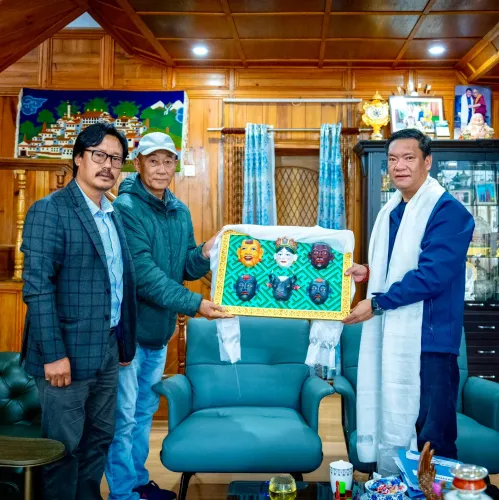
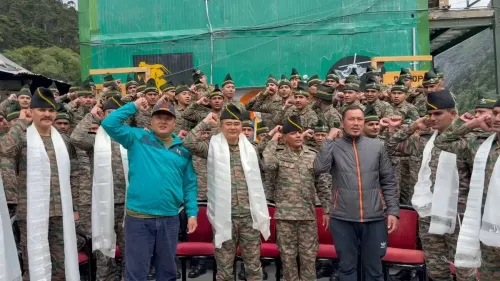
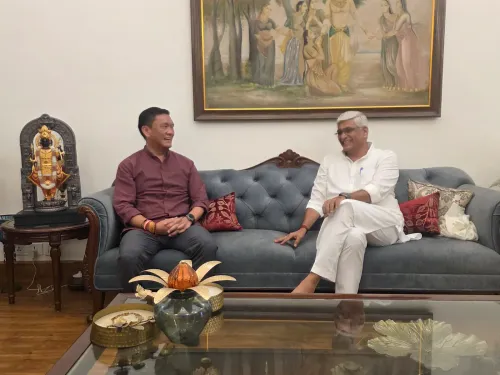
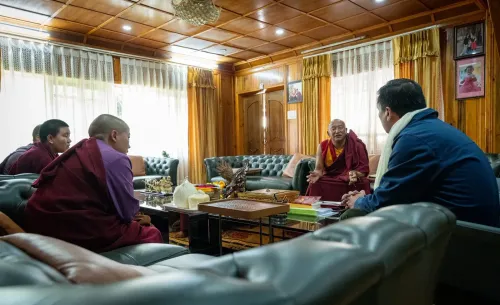
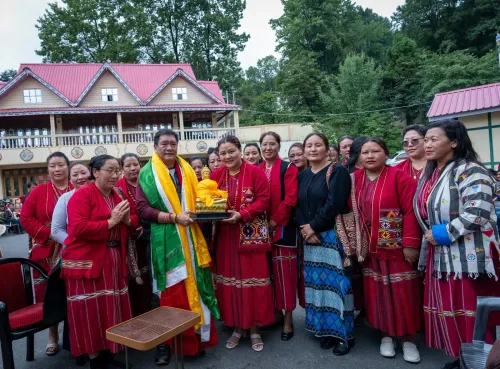
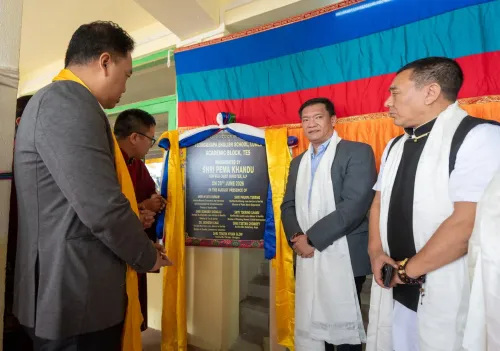
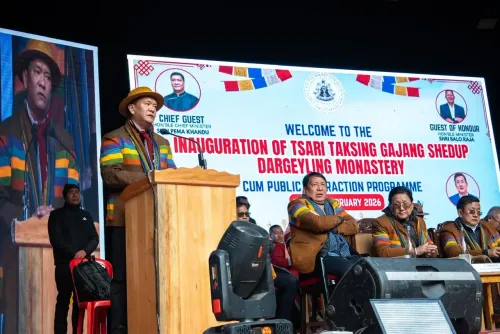
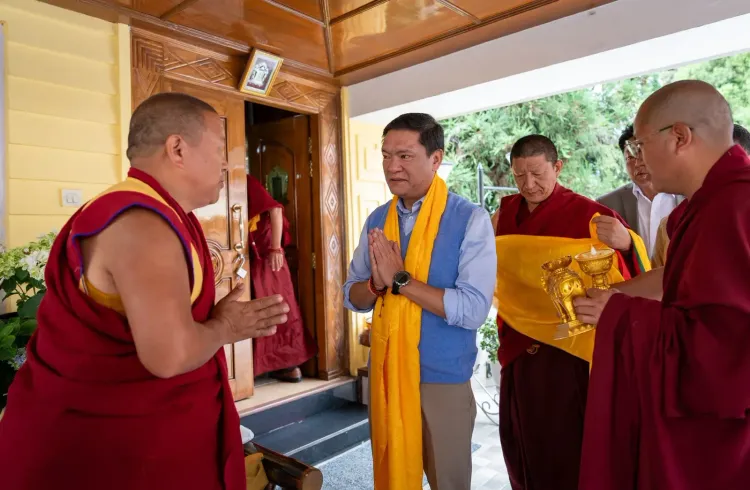
Arunachal Pradesh Chief Minister Pema Khandu received sacred blessings from Anis and Lamas of six Buddhist institutions on 2 August 2026, including the exile-era Drepung Loseling Tsawa Khangtsen, reflecting the deep integration of monastic life into public governance in the Himalayan state.
Key Takeaways
Pema Khandu , Chief Minister of Arunachal Pradesh since 2016 , received blessings from revered Anis and Lamas on 2 August 2026 .
Six institutions participated: Sherap Sangpo Society , Drepung Loseling Tsawa Khangtsen , M.E.C.
Society , Singsur Ani Gonpa , Dolma Lhakhang , and Jang Damchen Lhakhang (Namzing) .
Drepung Loseling is one of the three major Gelugpa monasteries of Tibet, re-established in India after the Tibetan exile.
Engagements with Buddhist monastic bodies are a longstanding feature of public life for leaders in Arunachal Pradesh , reflecting the state's Tibetan Buddhist cultural heritage.
Khandu described the spiritual guidance received as 'a source of strength and inspiration.'
In the high Himalayas, where statecraft and spirituality have long walked the same ridge, Arunachal Pradesh Chief Minister Pema Khandu received sacred blessings from revered Anis and Lamas across multiple Buddhist institutions on Sunday, 2 August 2026.
Khandu described the experience as a moment of deep honour, saying the prayers, wisdom, and spiritual guidance of the monastic communities serve as 'a source of strength and inspiration.' The gathering drew representatives from Sherap Sangpo Society, Drepung Loseling Tsawa Khangtsen, M.E.C. Society, Singsur Ani Gonpa, Dolma Lhakhang, and Jang Damchen Lhakhang (Namzing) — a broad coalition of nunneries, monasteries, and monastic societies.
Drepung Loseling and the Tibetan Buddhist presence in India
The inclusion of Drepung Loseling Tsawa Khangtsen carries particular weight. Drepung Loseling is one of the three great Gelugpa monasteries of Tibet, now re-established in India following the Tibetan exile. Its Tsawa Khangtsen is a regional house within that tradition, and its participation alongside local Ani Gonpas — nunneries — signals a gathering that spans both the exiled Tibetan monastic world and Arunachal Pradesh's own indigenous Buddhist institutions.Faith woven into governance on India's Himalayan frontier
For leaders in Arunachal Pradesh, engagements with Buddhist lamas and nunneries are not peripheral to public life — they are embedded in it. The state's Himalayan geography and its deep Tibetan Buddhist cultural roots make these interactions a standard, respected expression of the bond between elected office and religious community. Khandu, who has served as Chief Minister since 2016, has consistently maintained close ties with the state's monastic institutions throughout his tenure. The kicker writes itself in a state where monastery bells and cabinet decisions share the same mountain air: in Arunachal Pradesh, a leader's moral authority is measured not just at the ballot box, but in the blessings he carries down from the hills.Point of View
Where the state's Buddhist identity intersects with India's sensitive frontier with China, such outreach also carries an implicit civilisational signal. It reinforces the idea of an organically Indian Buddhist heritage in a territory Beijing continues to claim. The optics of a sitting Chief Minister receiving blessings from Drepung Loseling — a monastery in Tibetan exile — add a quiet but legible layer of political meaning to what is, on its surface, a ceremonial occasion.
NationPress
2 Aug 2026
Frequently Asked Questions
What is Drepung Loseling Tsawa Khangtsen?
Drepung Loseling Tsawa Khangtsen is a regional house within Drepung Loseling Monastery, one of the three great Gelugpa monasteries of Tibet. Following the Tibetan exile, the monastery re-established itself in India and continues to be an important centre of Tibetan Buddhist learning.
Why does Pema Khandu regularly meet Buddhist lamas and nunneries?
Leaders in Arunachal Pradesh routinely engage with Buddhist monastic communities as a reflection of the state's deep Tibetan Buddhist cultural heritage. These interactions are an established expression of respect for religious institutions that hold significant moral authority in the Himalayan border state.
What are Ani Gonpas?
Ani Gonpas are Buddhist nunneries. In the Tibetan Buddhist tradition, 'Ani' refers to a nun, and a Gonpa is a monastery or nunnery. Institutions like Singsur Ani Gonpa play an important role in preserving religious and cultural traditions in Arunachal Pradesh.
What is the significance of Buddhist institutions in Arunachal Pradesh?
Arunachal Pradesh has a significant Buddhist population, particularly in its Himalayan districts, where Tibetan Buddhist traditions are deeply woven into daily life and governance. The state's monastic institutions serve as centres of education, culture, and community leadership.