CM Pema Khandu Revives Vande Mataram Row, Targets Congress
Synopsis
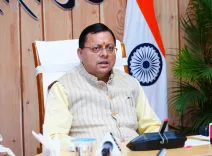
Arunachal Pradesh CM Pema Khandu has reignited the Vande Mataram debate, accusing Congress of repeating its 1937 decision — made under Muslim League pressure — to restrict the national song to two stanzas, and framing it as ongoing political appeasement.
Key Takeaways
Arunachal Pradesh CM Pema Khandu posted on August 20, 2026 accusing Congress of endorsing its 1937 position on Vande Mataram .
In 1937 , the Congress working committee restricted the song to its first two stanzas following objections from the All-India Muslim League over Hindu imagery in later verses.
Khandu links that decision directly to the broader politics of appeasement that preceded the Partition of India in 1947 .
Vande Mataram was composed by Bankim Chandra Chatterjee and served as a rallying cry for independence fighters under British rule.
BJP governments have consistently promoted the full composition in official settings, framing earlier restrictions as politically motivated.
The specific 2026 Congress statement or action that triggered Khandu's post has not been independently confirmed.
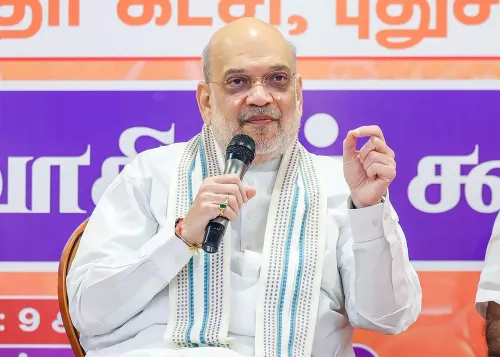
A national anthem debate nearly nine decades old is back at the centre of Indian politics. Arunachal Pradesh Chief Minister Pema Khandu on Thursday, August 20, 2026, invoked the 1937 Congress decision to restrict Vande Mataram to its first two stanzas — framing it as the original act of political appeasement and accusing the party of repeating that posture today.
The 1937 Decision and Its Long Shadow
The fault line runs deep. In 1937, the Indian National Congress working committee, responding to objections from the All-India Muslim League, officially limited the singing of Vande Mataram to its opening two stanzas. The later verses, drawn from Bankim Chandra Chatterjee's novel Anandamath, contained imagery the League argued was rooted in Hindu devotional tradition. Congress accepted the compromise.
That decision has never fully left Indian public life. For BJP leaders and cultural nationalists, it represents a founding concession to communal politics — one that, in their telling, fed the broader politics of appeasement that accelerated the Partition of India in 1947. Khandu's post makes that argument explicitly: 'That decision became part of the wider politics of appeasement that shaped the turbulent years before Partition.'
Khandu's Charge: Congress 'Choosing' the Same Side Again
The Chief Minister does not stop at history. He asserts that Congress 'is once again choosing to stand by that 1937 position, even as efforts are being made to honour the complete composition.' The specific trigger — what contemporary effort or Congress statement prompted this — is not detailed in the post, and the research does not confirm a specific 2026 development. The political charge, however, is pointed: that the opposition is relitigating a pre-Partition compromise in the present.
Khandu closes with a direct rhetorical question: 'Should a song that inspired the freedom movement be divided for political convenience, or should its complete spirit be embraced as a symbol of national unity?' The answer he implies needs no spelling out.
Why Vande Mataram Still Ignites
Vande Mataram — 'I bow to thee, Mother' — was composed by Bankim Chandra Chatterjee in the 1870s and became a rallying cry for independence activists under British rule. Freedom fighters chanted it at protests, in prisons, and before executions. That emotional weight is precisely what makes it politically potent: any perceived diminishment of the song reads, to many Indians, as diminishment of the sacrifice behind it.
Successive BJP governments at the centre and in states have promoted the full composition in official and public settings, framing earlier restrictions as politically motivated rather than inclusive. Congress has historically maintained that the truncation was a considered act of accommodation in a plural society — not appeasement. That gap in interpretation has never closed.
For Khandu, a senior BJP leader governing Arunachal Pradesh on India's northeastern frontier, the post is also a signal of cultural solidarity with the party's broader national narrative — that India's symbols must be reclaimed whole, not negotiated away.
Point of View
Then force the opposition to either defend an awkward 87-year-old decision or appear to abandon it. The 1937 Congress-Muslim League compromise over Vande Mataram has long functioned as Exhibit A in the BJP's appeasement narrative, and invoking it in 2026 keeps that frame alive without requiring new evidence. Congress faces the familiar bind: any defence of the 1937 position is politically costly; any retreat from it alienates its own secular base. The Vande Mataram debate is unlikely to produce legislative action, but as a recurring culture-war marker ahead of any electoral cycle, it reliably sharpens identity lines.
NationPress
20 Aug 2026
Frequently Asked Questions
Why did Congress restrict Vande Mataram to two stanzas in 1937?
In 1937, the Indian National Congress working committee limited official singing of Vande Mataram to its first two stanzas after the All-India Muslim League objected that the later verses contained Hindu devotional imagery drawn from Bankim Chandra Chatterjee's novel Anandamath.
What is the Vande Mataram controversy about?
The controversy centres on whether India should officially embrace all stanzas of Vande Mataram or maintain the 1937 Congress restriction to the first two. BJP leaders argue the full song should be honoured as a symbol of national unity; critics of the full version cite its later verses' religious connotations.
Who composed Vande Mataram?
Vande Mataram was composed by Bengali writer Bankim Chandra Chatterjee in the 1870s and first appeared in his novel Anandamath. It became a rallying cry for Indian independence activists under British rule.
What did Pema Khandu say about Vande Mataram?
Arunachal Pradesh Chief Minister Pema Khandu said Vande Mataram is a symbol of India's freedom struggle, national pride, and unity. He accused Congress of repeating its 1937 decision to restrict the song to two stanzas and called that original decision part of a politics of appeasement that shaped the years before Partition.
Is Vande Mataram India's national anthem?
No. Jana Gana Mana is India's national anthem. Vande Mataram holds the status of national song and carries deep historical significance as a freedom-movement rallying cry, but it is constitutionally distinct from the national anthem.