CM Pema Khandu tours Siang Valley for water project study

Synopsis
Chief Minister Pema Khandu is on a two-day Siang Valley tour to consult communities on a Pre-Feasibility Report for a water-regulation and storage project, framing it as a resilience measure against upstream cross-border water risks on the Brahmaputra system.
Key Takeaways
CM Pema Khandu is on a two-day tour of the Siang Valley starting October 1, 2026 .
The visit is focused on engaging local communities on the need for a Pre-Feasibility Report (PFR) for a proposed water-regulation and storage project.
Khandu explicitly frames the project as strengthening 'resilience to upstream water-related risks' — a reference to China's large dam plans on the Tsangpo-Siang in Tibet.
A PFR is the earliest formal planning stage; it precedes environmental clearances and construction by several years.
Community consultation before the PFR is finalised marks a deliberate sequencing intended to build early consent in the ecologically and culturally sensitive Siang corridor.
The 2017 Siang blackening event had earlier heightened urgency for India to develop its own water storage infrastructure on this stretch of the Brahmaputra system.
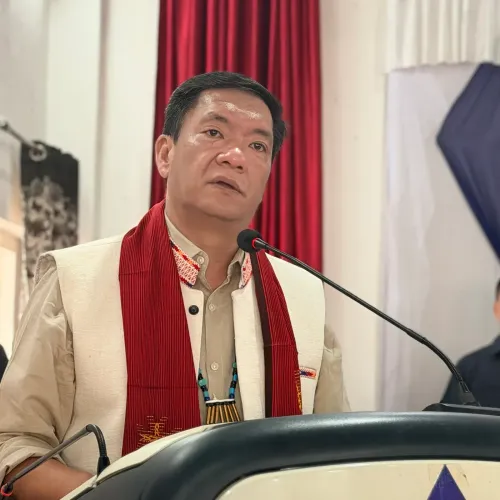
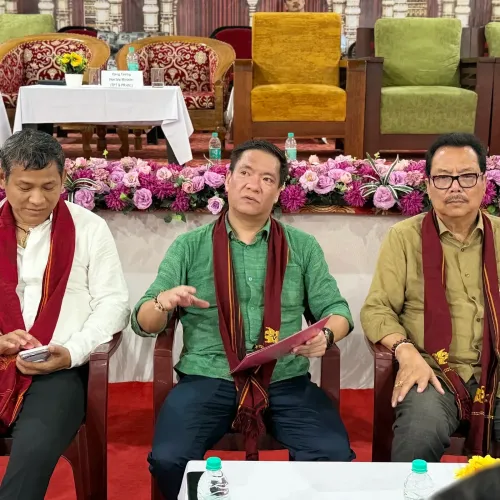
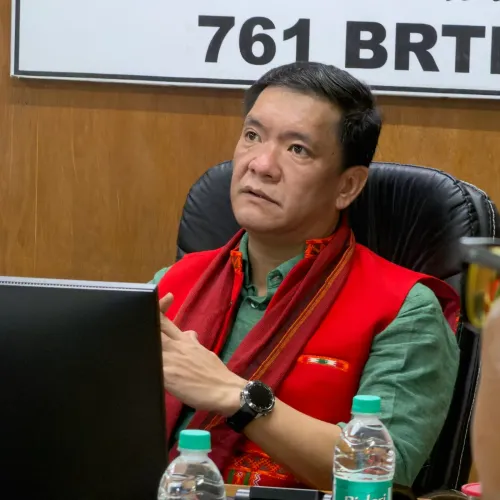
Arunachal Pradesh Chief Minister Pema Khandu is undertaking a two-day tour of the Siang Valley to directly engage with local communities on the need for a Pre-Feasibility Report (PFR) for a proposed water-regulation and storage project — a visit that puts frontier-state water security squarely in the public conversation.
Why the Siang Valley, and why now
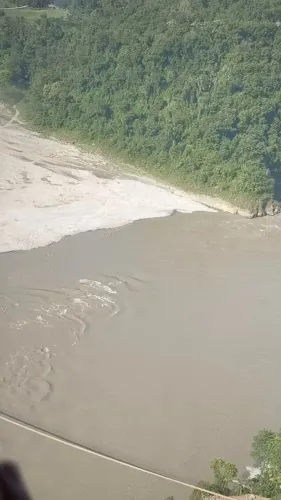
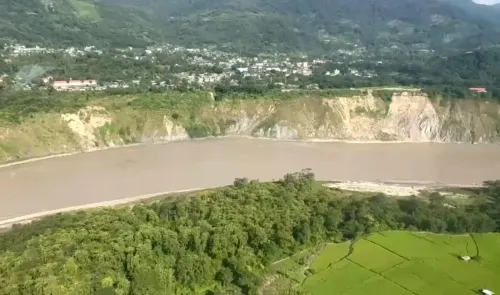
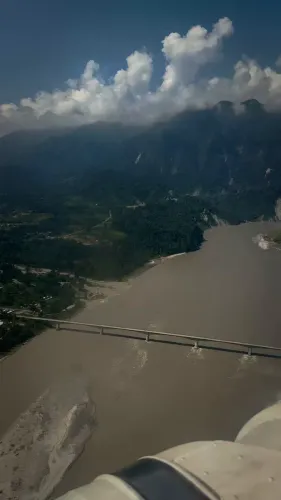
The Siang River — the upper stretch of the Brahmaputra as it enters Indian territory from Tibet — has long been at the centre of India's concerns over upstream interference. China has announced and progressed plans for a massive dam on the Tsangpo-Siang system in Tibet, raising alarm over the river's flow, sediment load, and the downstream flood-drought cycle that communities across Arunachal Pradesh and Assam depend on. Khandu's visit frames the proposed Indian project explicitly as a resilience measure against 'upstream water-related risks' — diplomatic language that gestures directly at that cross-border dimension.
A Pre-Feasibility Report: what that step means
A PFR is the earliest formal stage in India's infrastructure clearance pipeline — it precedes detailed project reports, environmental impact assessments, and actual construction by years. Commissioning one signals that the state government wants the idea on record and technically evaluated. The Chief Minister's choice to consult communities before the PFR is finalised — rather than after — is a notable sequence. It reflects lessons from earlier large dam projects in the Northeast, where community consent became a flashpoint well into the construction phase.
Ground-level engagement in a high-stakes corridor
The Siang Valley corridor is home to communities like the Adi people, whose livelihoods, culture, and agriculture are intimately tied to the river's seasonal rhythms. Any large-scale water infrastructure here carries social weight that goes far beyond engineering specs. By touring in person and framing the PFR as a 'crucial step towards strengthening resilience', Khandu is attempting to build a consent foundation early — and to signal to Delhi that Arunachal is moving proactively on a national-security-adjacent water challenge.
The Siang has already demonstrated its vulnerability: a 2017 blackening event, when the river ran dark with unusual sediment, sparked widespread concern about upstream activity. That episode accelerated calls within the state and at the Centre for India to build its own regulatory storage on the Indian side before Beijing's dam reshapes the hydrological reality downstream.
Whether the PFR translates into a funded, cleared project is a long road. But the Chief Minister is making sure the conversation starts at the riverbank — not in a boardroom far from the valley.
Point of View
Arunachal Pradesh is building a domestic legitimacy layer around what is fundamentally a strategic infrastructure response to China's upstream dam ambitions. The move fits a broader pattern of the BJP-led Northeast governments using visible, on-ground engagement to pre-empt the opposition narrative that large river projects sideline local voices. If the PFR advances, it will force a reckoning in Delhi between the Centre's hesitancy on large Himalayan dams and its stated desire to counter Chinese hydrological leverage — a tension that Khandu is now forcing into the open at the state level.
NationPress
1 Oct 2026
Frequently Asked Questions
Why is Pema Khandu visiting the Siang Valley?
Chief Minister Pema Khandu is on a two-day tour of the Siang Valley to consult local communities on the need for a Pre-Feasibility Report for a proposed water-regulation and storage project on the Siang River.
What is a Pre-Feasibility Report for a dam or water project in India?
A Pre-Feasibility Report (PFR) is the earliest formal stage of infrastructure planning in India. It assesses the broad technical and economic viability of a project before more detailed studies, environmental clearances, and construction approvals are sought.
What are the upstream water risks Arunachal Pradesh faces on the Siang?
China is building a major dam on the Tsangpo river in Tibet, the same river that enters Arunachal Pradesh as the Siang and flows into Assam as the Brahmaputra. This raises concerns about controlled flooding, reduced dry-season flows, and sediment disruption downstream in India.
Who lives in the Siang Valley and why does community consent matter?
The Siang Valley is primarily home to the Adi community, whose agriculture, culture, and livelihoods are closely tied to the river. Large infrastructure projects in this ecologically sensitive corridor have historically faced local resistance, making early community engagement critical.
What was the 2017 Siang blackening event?
In late 2017, the Siang River turned unusually dark due to high sediment and turbidity, likely linked to upstream activity in Tibet. The event alarmed residents and policymakers and accelerated calls for India to build its own water storage infrastructure on the Indian side of the Siang.