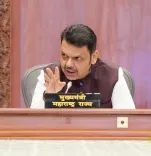
CM Rekha Gupta backs exam anti-cheat amendment bill in Lok Sabha
Synopsis
Delhi Chief Minister Rekha Gupta has welcomed the Public Examinations (Prevention of Unfair Means) Amendment Bill, 2026, introduced in Lok Sabha during the Monsoon Session, saying the law will protect honest aspirants and crack down on exam mafias through fast-track trials and stricter penalties.
Key Takeaways
Delhi Chief Minister Rekha Gupta publicly endorsed the Public Examinations (Prevention of Unfair Means) Amendment Bill, 2026 on 27 July 2026 .
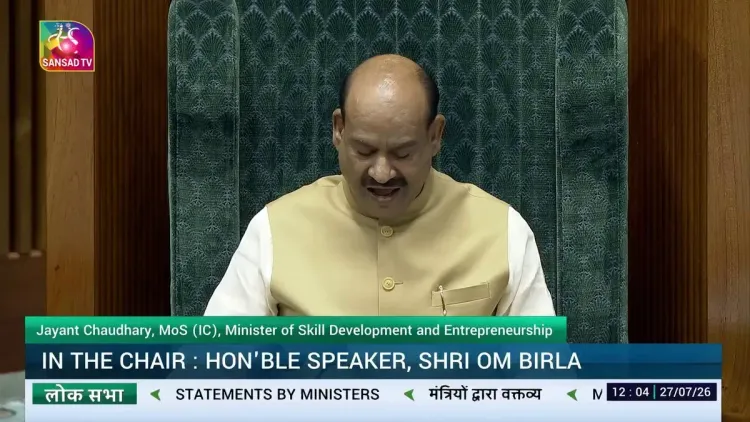
The bill was introduced in Lok Sabha by the central government under Prime Minister Narendra Modi during the Monsoon Session 2026 .
Key provisions include fast-track hearings and stricter punishments targeting organised exam mafias in competitive examinations.
The amendment builds on the Public Examinations (Prevention of Unfair Means) Act, 2024 , passed after paper-leak scandals including in NEET-UG .
The legislation aims to protect lakhs of honest aspirants by making the examination system more transparent, credible and accountable.
Next steps include parliamentary debate, possible select-committee review, and eventual notification of enforcement rules by the Union Education Ministry .
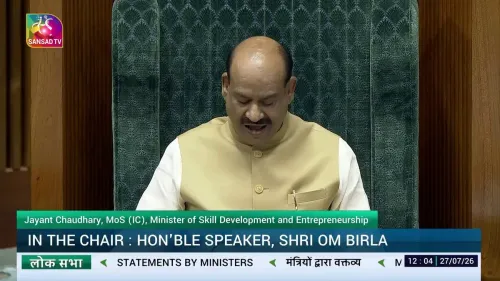
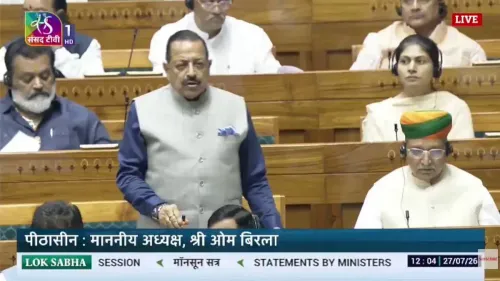
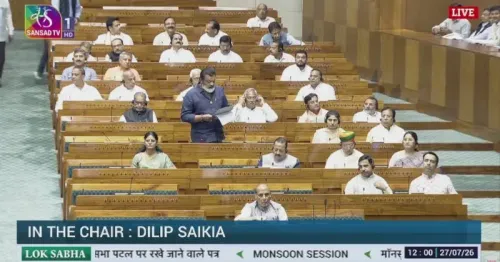
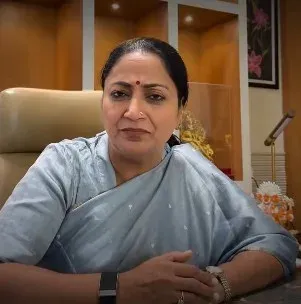
Delhi Chief Minister Rekha Gupta on Monday, 27 July 2026 publicly backed the Public Examinations (Prevention of Unfair Means) Amendment Bill, 2026, introduced in the Lok Sabha by the central government under Prime Minister Narendra Modi, calling it an unprecedented step toward protecting the integrity of the examination system and the futures of millions of young aspirants.
Context
Gupta, writing in Hindi on X (formerly Twitter), described the bill as a landmark initiative — 'परीक्षा प्रणाली की विश्वसनीयता और युवाओं के भविष्य की सुरक्षा की दिशा में अभूतपूर्व पहल' ('an unprecedented initiative toward protecting the credibility of the examination system and the future of youth'). She emphasised that provisions for fast-track hearings and stringent punishment against 'exam mafias' would strengthen the fairness and transparency of competitive examinations.
The Chief Minister stated that no injustice toward students' hard work and talent is acceptable, adding that the central government is 'continuously working to make the examination system more transparent, credible and accountable.' The post was tagged under #MonsoonSession2026, placing it squarely in the context of the ongoing parliamentary session.
Policy Backdrop
The 2026 amendment bill builds on the Public Examinations (Prevention of Unfair Means) Act, 2024, which Parliament enacted following a wave of high-profile paper-leak scandals — most notably in the NEET-UG examination — that triggered nationwide protests, court interventions, and demands for systemic reform. That original law introduced penalties targeting organised malpractice in public examinations for the first time at the central level.
Since 2024, the Union government has pursued incremental legal and institutional reforms aimed at restoring credibility in high-stakes examinations that determine access to government jobs and professional courses. Recurring allegations of leaks, impersonation, and syndicate involvement across several states have kept the issue in sharp political and judicial focus.
Stakeholders and Impact
The bill's most immediate beneficiaries, if enacted, would be the lakhs of competitive examination aspirants who prepare for tests conducted by bodies such as the UPSC, SSC, NTA, and state public service commissions. Gupta specifically highlighted their interests, stating that the legislation 'will ensure the protection of the interests and labour of millions of youth who prepare honestly.'
State education boards and examination authorities would also be affected, as tighter central oversight and fast-track judicial mechanisms could reshape how malpractice cases are investigated and prosecuted. Civil society groups and student unions that led protests after the 2024 paper-leak controversies are likely to scrutinise the amendment's specific provisions closely.
What's Next
Parliamentary proceedings during the Monsoon Session 2026 will determine the bill's immediate trajectory, including any referral to a select committee and the nature of debate across party lines. Should the bill pass, the Union Education Ministry would be responsible for notifying the implementing rules and enforcement mechanisms that give the legislation practical effect.
The government's willingness to bring an amendment so soon after the 2024 Act signals that existing provisions were seen as insufficient to deter organised exam fraud — a gap that legislators and courts had flagged in the intervening period. How swiftly enforcement machinery is put in place after enactment will be the true test of the reform's impact.
Point of View
And it ties Delhi's leadership visibly to a nationally resonant youth issue. The amendment follows a pattern of the Union government layering stronger provisions onto the 2024 Act after courts and protesters exposed its limitations. Whether the bill translates into convictions — rather than arrests that stall in overburdened tribunals — will determine whether it becomes a genuine policy legacy or another symbolic legislative gesture.
NationPress
27 Jul 2026
Frequently Asked Questions
What is the Public Examinations Amendment Bill 2026?
It is an amendment to the Public Examinations (Prevention of Unfair Means) Act, 2024, introduced in Lok Sabha during the Monsoon Session 2026. The bill aims to strengthen penalties and introduce fast-track hearings against organised exam malpractice, commonly called 'exam mafias.'
Why did Delhi CM Rekha Gupta support the exam amendment bill?
Rekha Gupta stated that the bill is an unprecedented initiative to protect the credibility of the examination system and safeguard the futures of millions of honest aspirants. She called any injustice toward students' hard work unacceptable.
What was the original Public Examinations Act 2024 about?
The Public Examinations (Prevention of Unfair Means) Act, 2024 was enacted by Parliament after multiple paper-leak scandals, including in NEET-UG, to impose penalties on organised malpractice in central public examinations for the first time.
Which exams does the anti-cheat law cover in India?
The law covers public examinations conducted by central bodies such as UPSC, SSC, and NTA, among others. State boards may have separate provisions under their own legislation.
What happens next with the exam amendment bill in Parliament?
The bill will undergo debate in Lok Sabha during the Monsoon Session 2026 and could be referred to a select committee. If passed, the Union Education Ministry will notify rules and enforcement mechanisms to operationalise the law.