CM Rekha Gupta Backs Yamuna Clean-Up Drive
Synopsis
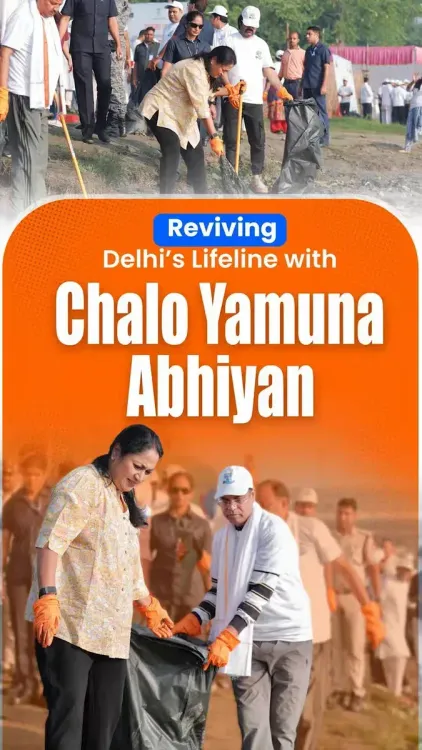
Delhi Chief Minister Rekha Gupta on 18 October 2026 hailed the #ChaloYamuna mobilisation drive, calling on residents to keep the Yamuna's ghats clean and its waters protected under the Seva Sankalp Abhiyan — even as structural pollution challenges persist.
Key Takeaways
Delhi CM Rekha Gupta publicly praised participants of the #ChaloYamuna ghat clean-up drive on 18 October 2026 .
The drive is part of the Seva Sankalp Abhiyan , a service-and-cleanliness campaign platform.
The Yamuna has been subject to clean-up efforts since the Yamuna Action Plan (1993) and the National River Conservation Plan (1995) , yet pollution remains persistent.
Structural challenges — sewage treatment capacity and inter-state coordination — go beyond what ghat-cleaning drives alone can address.
Gupta's messaging frames the Yamuna as 'Maa Yamuna', combining civic duty with cultural reverence to sustain public momentum.
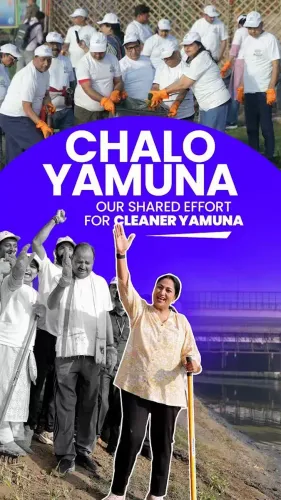
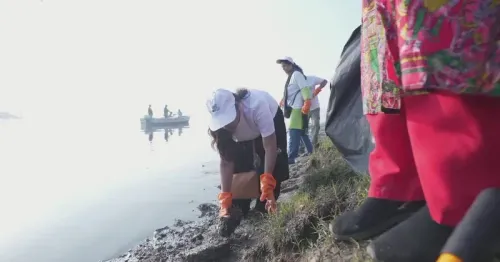
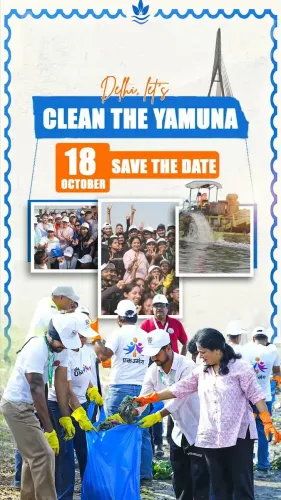
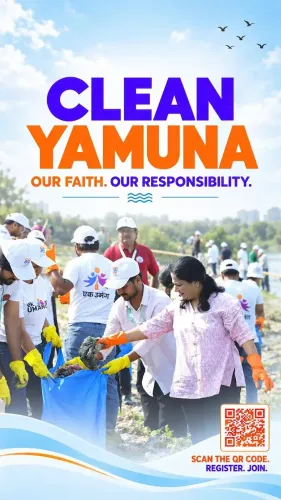
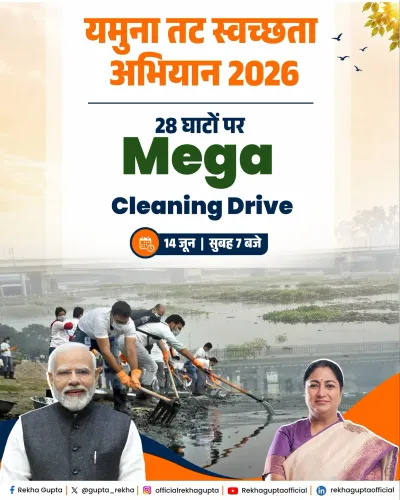
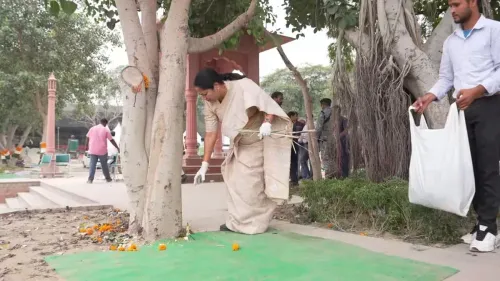
A river that has borne the weight of a megacity's neglect for decades found thousands of new defenders on Sunday, 18 October 2026 — and Delhi Chief Minister Rekha Gupta wants that energy to outlast the day. Gupta took to X to salute participants of the #ChaloYamuna mobilisation drive, calling on Delhiites to protect the Yamuna's waters and keep its ghats clean under the #SevaSankalpAbhiyan banner.
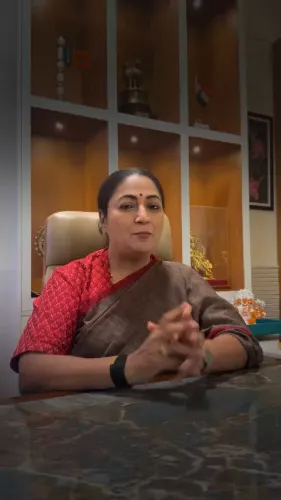
In her post, Gupta wrote: 'The energy, the emotion and the spirit of everyone who joined #ChaloYamuna reflect a shared commitment to protecting Maa Yamuna. Let's keep this spirit alive, protect her waters and keep her ghats clean. Together, we can make a difference!' The framing — reverent, community-first — signals that the campaign is being positioned as a civic movement, not just a one-day event.
Yamuna's long battle with pollution
The Yamuna is one of India's most heavily polluted rivers, burdened by decades of untreated sewage, industrial effluents and solid waste pouring in from a city of more than 30 million people. Efforts to rescue it are far from new: the Yamuna Action Plan, launched in 1993, and the National River Conservation Plan from 1995 onwards both pumped funds into sewage treatment infrastructure along Delhi's stretch — yet the river's condition has remained a stubborn embarrassment across successive administrations.
The gap between ghat-cleaning drives and structural change is real. Volunteer mobilisation clears visible waste from riverbanks; it cannot by itself fix under-capacity sewage treatment plants or resolve the inter-state coordination needed to manage the Yamuna's entire catchment. That tension has dogged every political generation that has promised a cleaner river to Delhi's voters.
#SevaSankalpAbhiyan and the politics of river reverence
The Seva Sankalp Abhiyan is a service-and-cleanliness campaign platform under which drives like #ChaloYamuna are organised, blending volunteer energy with government-led messaging. For CM Gupta — a BJP leader who has publicly championed river conservation — the campaign lets the administration project both governance intent and cultural resonance: the Yamuna as 'Maa', a sacred river, not just a civic utility.
The political optics are deliberate. Successive Delhi governments have found that ghat-cleaning events generate visible, shareable momentum. The harder question — when new sewage treatment capacity comes online, and whether inter-agency coordination improves — will determine whether this wave of public spirit translates into measurable water-quality change.
For now, the Chief Minister's call is clear: the spirit of #ChaloYamuna must become a habit, not a headline. Whether Delhi's institutions can match that ambition is the story worth watching.
Point of View
But analysts will note that every Delhi government since the 1990s has mobilised similar drives without resolving the city's sewage treatment deficit. The real test of this political moment will come in follow-through: sewage plant commissioning timelines, inter-agency coordination, and measurable water-quality data, not ghat photographs.
NationPress
18 Oct 2026
Frequently Asked Questions
What is the #ChaloYamuna campaign?
#ChaloYamuna is a public mobilisation drive organised to clean the Yamuna's ghats and raise awareness about river protection among Delhi residents. It is part of the broader Seva Sankalp Abhiyan platform.
What is Seva Sankalp Abhiyan?
Seva Sankalp Abhiyan is a service and cleanliness campaign platform under which conservation and community drives — including ghat clean-ups along the Yamuna — are organised in Delhi.
How polluted is the Yamuna river in Delhi?
The Yamuna in Delhi is heavily polluted due to decades of untreated sewage discharge, industrial effluents and solid waste from one of the world's largest urban populations. Successive clean-up plans since 1993 have had limited impact on overall water quality.
What has Rekha Gupta done for Yamuna conservation?
As Delhi Chief Minister and a BJP leader, Rekha Gupta has backed public campaigns such as #ChaloYamuna and #SevaSankalpAbhiyan focused on ghat cleaning and river awareness, though longer-term infrastructure measures remain a work in progress.
What is the Yamuna Action Plan?
The Yamuna Action Plan was launched in 1993 to reduce the river's pollution load by building sewage treatment infrastructure along Delhi and other cities on the Yamuna. It was later expanded under the National River Conservation Plan from 1995 onwards.