CM Rekha Gupta calls Delhi to clean Yamuna on Oct 18
Synopsis
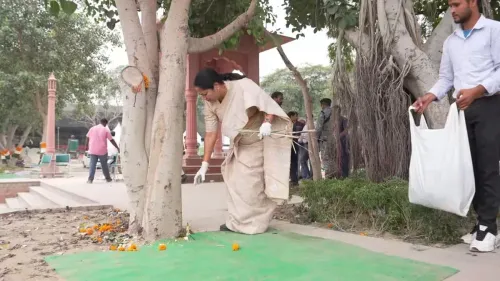
Delhi CM Rekha Gupta has called on students, RWAs, NGOs and BJP workers to join a mass shramdaan at Yamuna ghats on 18 October 2026 at 7:30 AM, framing it as a people's campaign — #ChaloYamuna — to clean the heavily polluted river.
Key Takeaways
Delhi CM Rekha Gupta issued a public call on 17 October 2026 for a Yamuna clean-up shramdaan drive.
The event is scheduled for 18 October 2026 at 7:30 AM at Yamuna ghats across Delhi.
Participants called upon include Delhi University students , RWAs, NGOs, the Delhi government and BJP workers.
The campaign is hashtagged #ChaloYamuna and #स्वच्छ_यमुना_प्रहरी (Guardians of a Clean Yamuna).
The Yamuna Action Plan was first launched in 1993 ; periodic shramdaan drives have since been a recurring feature of Delhi governance.
The decentralised format — 'your nearest Yamuna ghat' — is designed to maximise citywide participation.
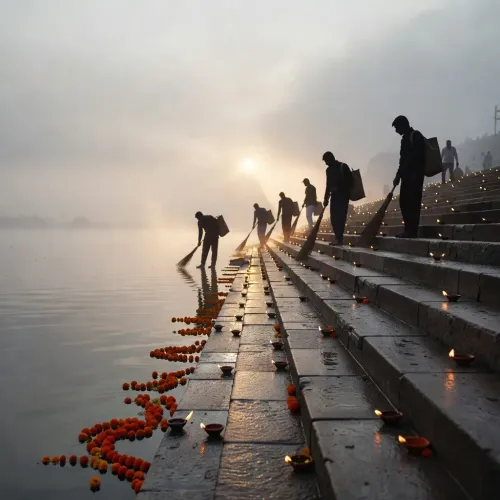
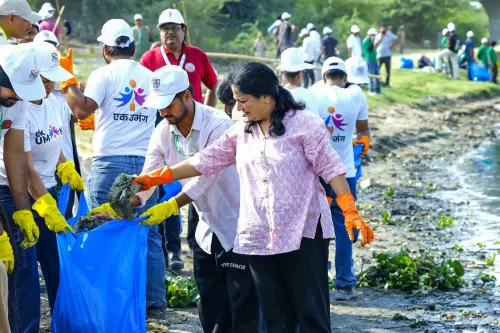
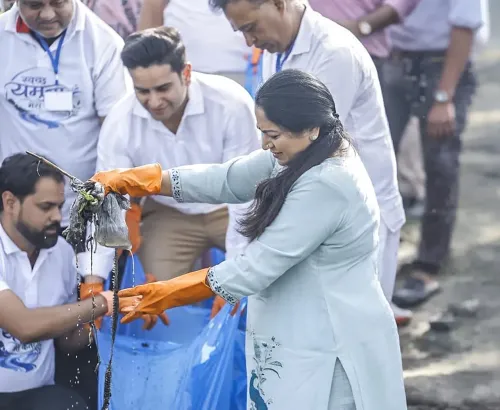
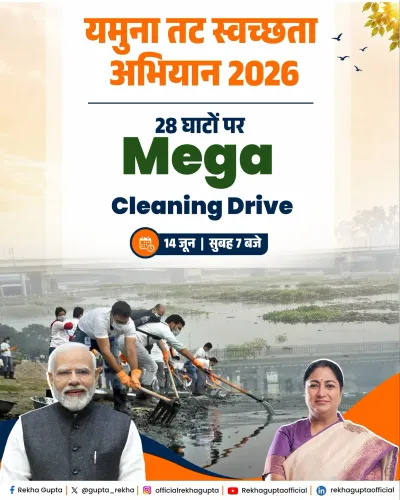
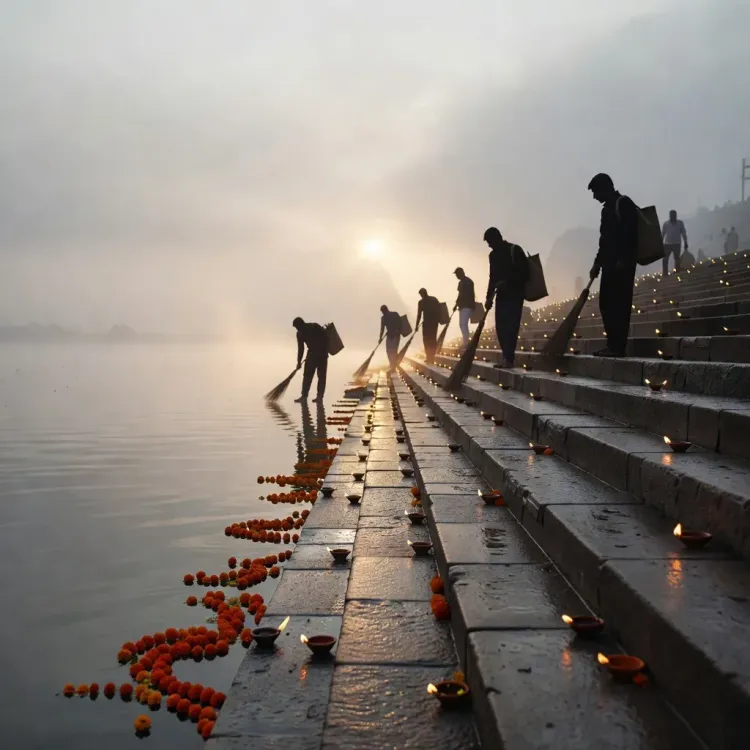
Every Sunday morning has its rituals — but Delhi Chief Minister Rekha Gupta wants this one to belong to the Yamuna. On Saturday, 17 October 2026, Gupta put out an open call to all of Delhi — students, residents' welfare associations, NGOs, the Delhi government machinery, and BJP volunteers — to show up at their nearest Yamuna ghat at 7:30 AM on 18 October for a mass shramdaan (voluntary labour) drive under the campaign #स्वच्छ_यमुना_प्रहरी (Guardians of a Clean Yamuna).
Gupta's post, tagged with #ChaloYamuna, framed the effort as a collective resolve — 'एक संकल्प, स्वच्छ यमुना' (one resolve, a clean Yamuna) — and explicitly listed Delhi University students, RWAs, NGOs, the Delhi government, and Team BJP as co-participants. The ask is simple: join the people's campaign and help clean the river.
Why the Yamuna keeps coming back to Delhi's political agenda
The Yamuna is the lifeline and the sore point of the capital simultaneously. Industrial discharge, untreated sewage, and the seasonal surge of devotees at ghats have made the river one of the most visibly polluted stretches of any major waterway in South Asia. The Yamuna Action Plan, launched in 1993 with central assistance, set the formal policy template for cleaning the river — but successive administrations have acknowledged that the problem outlasted the programme.
Periodic shramdaan drives have become a fixture of Delhi civic life, typically converging civic bodies, political workers, resident associations, and students along the ghats. They sit within the broader national river-rejuvenation frame established by programmes such as Namami Gange, which turned river cleanliness into a mainstream political commitment rather than a technocratic footnote.
Sunday's mobilisation: who is being asked to show up
The breadth of Gupta's call-out is notable. By naming Delhi University students alongside RWAs and NGOs — and placing the Delhi government and BJP on the same checklist — the CM is pitching this as a non-partisan civic moment, even as the ruling party's ground network forms its organisational spine. The venue is deliberately decentralised: 'your nearest Yamuna ghat,' not a single flagship site, which lowers the barrier to participation across the city's long riverfront.
The real test of Sunday's drive will be turnout volume and whether it is followed by concrete enforcement action — on sewage treatment plants, industrial effluent pipelines, or ghat infrastructure — that gives the shramdaan lasting consequence beyond the morning's photographs.
One morning, one river, one city. Whether 18 October becomes a footnote or a turning point for the Yamuna depends on what Delhi's government does on 19 October.
Point of View
RWAs, NGOs and the ruling party together — Rekha Gupta is deploying the Yamuna as both an environmental and a political symbol, signalling that her administration's relationship with the river is one of action rather than inherited neglect. The shramdaan format is low-cost but high-visibility, fitting a BJP playbook that prizes mass participation events as governance proof-points. The harder question the drive raises is whether it will be followed by structural enforcement on sewage and industrial effluent — the two factors that drive efforts like this remain politically secondary. If Sunday's turnout is large, expect it to form the visual centrepiece of a broader Yamuna agenda the Delhi government is likely to frame before winter fog and air-quality concerns dominate the capital's headlines.
NationPress
17 Oct 2026
Frequently Asked Questions
What is the #ChaloYamuna drive called by CM Rekha Gupta?
The #ChaloYamuna drive is a mass voluntary clean-up campaign organised by Delhi CM Rekha Gupta, asking citizens to gather at their nearest Yamuna ghat on 18 October 2026 at 7:30 AM for shramdaan — voluntary physical labour — to clean the river.
When and where is the Yamuna clean-up drive on 18 October 2026?
The drive is scheduled for 18 October 2026 at 7:30 AM. Participants are asked to report to their nearest Yamuna ghat anywhere along Delhi's riverfront, making it a city-wide decentralised event.
Who is participating in the Yamuna shramdaan campaign?
Delhi CM Rekha Gupta has called on Delhi University students, Residents' Welfare Associations (RWAs), NGOs, the Delhi government and BJP workers to participate in the clean-up drive.
What is the history of Yamuna clean-up efforts in Delhi?
The Yamuna Action Plan was launched in 1993 with central government assistance to address the river's pollution. Since then, successive Delhi administrations have organised periodic shramdaan and awareness drives, though persistent industrial discharge and inadequate sewage treatment have kept the river heavily polluted.
What does #स्वच्छ_यमुना_प्रहरी mean?
The hashtag #स्वच्छ_यमुना_प्रहरी translates from Hindi as 'Guardians of a Clean Yamuna.' It is the campaign identity under which the 18 October clean-up drive is being organised by the Delhi government.