CM Rekha Gupta: Delhi Metro starts 4:30 AM for Chhath Usha Arghya
Synopsis
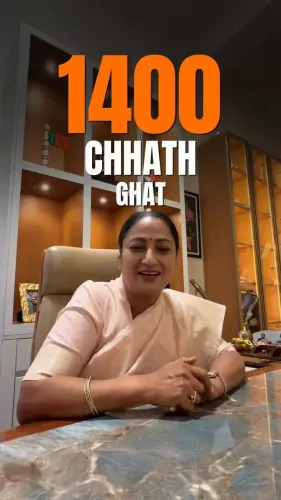
Delhi Chief Minister Rekha Gupta has announced that Delhi Metro will operate from 4:30 AM on 16 November for Usha Arghya, with trains every 15 minutes on all lines, ensuring lakhs of Chhath devotees — including elderly and women — can reach Yamuna ghats before dawn.
Key Takeaways
Delhi Metro will begin operations at 4:30 AM on 16 November 2026 for the Chhath Usha Arghya.
Trains will run every 15 minutes on all lines during the early-morning window.
The arrangement is specifically designed for women, elderly devotees, and lakhs of Chhath worshippers heading to ghats before sunrise.
CM Rekha Gupta announced the measure on 15 November 2026 , emphasising that no devotee's worship should face any obstacle.
Delhi governments have a history of extending DMRC operating hours during Chhath to serve the city's large eastern-Indian migrant community.
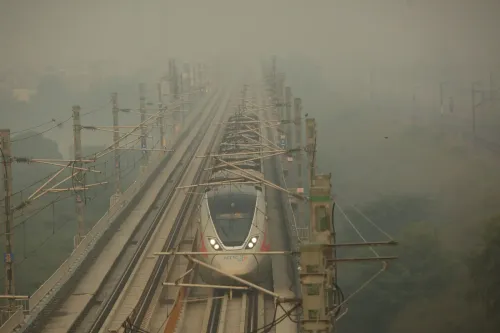
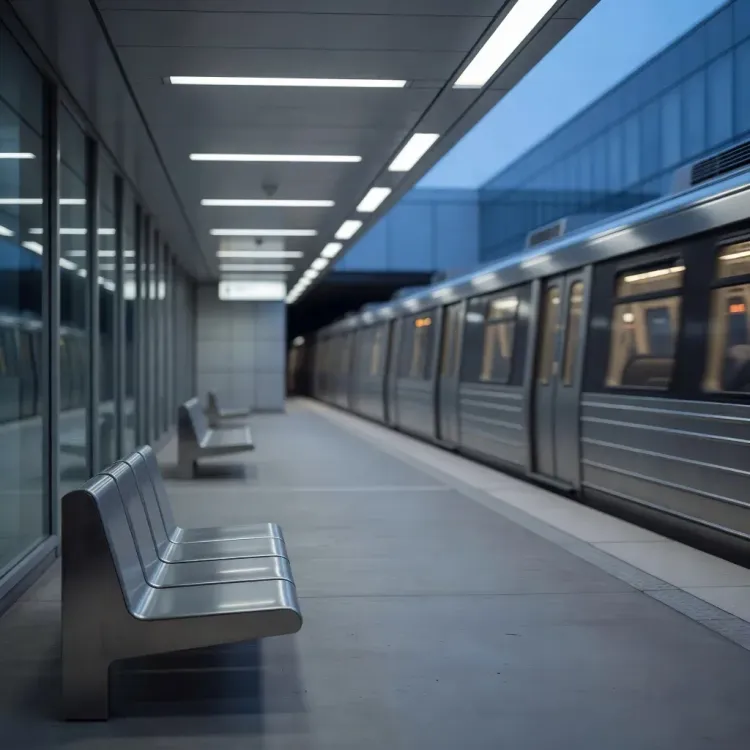
Before the sun rises over Delhi's ghats on 16 November, millions of Chhath devotees will need to be there — and Delhi Chief Minister Rekha Gupta has ensured the city's metro network moves with them. Her government has directed Delhi Metro to begin operations at 4:30 AM on the occasion of Usha Arghya (the sacred dawn offering), with trains running on all lines every 15 minutes during the early-morning window.
What the early-morning metro means for Chhath devotees
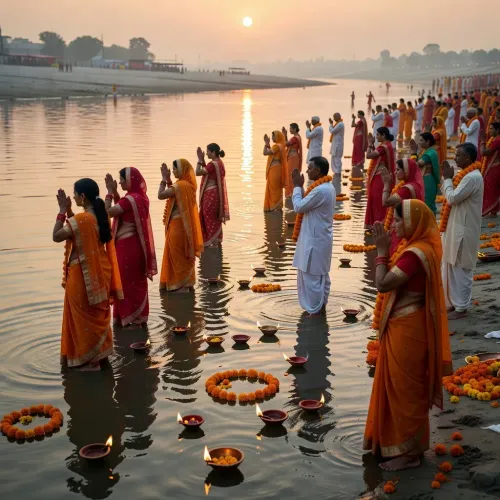
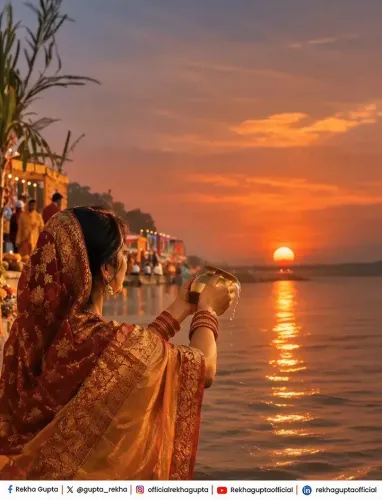
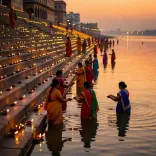
In her post, CM Gupta said the arrangement was made specifically so that 'our mothers, sisters, elders, and lakhs of devotees heading out to worship Chhathi Maiya face no difficulty reaching the ghats.' The Usha Arghya — the offering made to the rising sun — is the climactic ritual of Chhath Puja, requiring devotees to be at river ghats before dawn. Missing that window is not an option for the devout.
A 15-minute frequency across all lines from 4:30 AM ensures that even those travelling from the city's farthest corners can reach Yamuna ghats in time. For elderly participants and women travelling in large groups — the demographic CM Gupta specifically named — a reliable, frequent metro is far safer and more practical than relying on roads that will be dense with festival traffic.
Delhi Metro's history of festival service adjustments
Delhi Metro Rail Corporation (DMRC) has a well-established pattern of adjusting schedules for major public events — from Republic Day to Diwali — and Chhath Puja has historically prompted some of the most significant of those adjustments. Prior Delhi governments have extended early-morning hours during Chhath to accommodate the city's large migrant population from Bihar and eastern Uttar Pradesh, for whom the festival carries deep cultural and religious significance.
That continuity matters. It signals that regardless of which party governs Delhi, the operational logic of serving Chhath devotees has become embedded in urban governance practice — not a political favour but a civic baseline.
Why Chhath logistics in Delhi are uniquely demanding
Chhath Puja is one of the few major Hindu festivals that requires outdoor, public ritual — specifically at water bodies — at precise astronomical moments. There is no flexibility on timing: the sun rises when it rises. That rigidity, combined with the sheer scale of Delhi's observing population, makes transport coordination genuinely consequential. A delayed metro or a choked road doesn't just cause inconvenience; it can mean a family misses a once-a-year act of faith.
CM Gupta framed the government's role in precisely those terms: 'No Chhath devotee's worship should face any obstacle, every family should reach the ghat on time, and offer their reverent arghya to the rising Sun God. Your faith and your convenience are our highest priority.'
When a government gets the small logistics right — a train at 4:30 AM, a 15-minute interval — it earns trust in the big picture. That is the only metric that will matter at the ghats before sunrise on 16 November.
Point of View
Suggesting the Chhath transport protocol has graduated from political favour to civic obligation. What distinguishes this announcement is its specificity: a named time, a named frequency, a named audience — the kind of concrete commitment that is easy to verify and, if unmet, easy to critique.
NationPress
15 Nov 2026
Frequently Asked Questions
What time will Delhi Metro start on 16 November 2026 for Chhath Puja?
Delhi Metro will begin operations at 4:30 AM on 16 November 2026 to facilitate devotees attending the Chhath Usha Arghya at city ghats.
How frequently will Delhi Metro run on Chhath Puja morning?
During the early-morning Chhath window on 16 November , trains will be available every 15 minutes on all lines .
Why is Delhi Metro running early on 16 November?
The early service is for Usha Arghya , the dawn ritual of Chhath Puja, so devotees — especially women, the elderly, and large families — can reach Yamuna ghats before sunrise without difficulty.
Who announced the special Delhi Metro schedule for Chhath 2026?
Delhi Chief Minister Rekha Gupta announced the extended metro timings on 15 November 2026 via a post on X, attributing the decision to her government.
Does Delhi Metro regularly extend hours for Chhath Puja?
Yes. Delhi Metro Rail Corporation has historically adjusted schedules during Chhath Puja under successive Delhi governments, making early-morning service a recurring feature of the festival's civic arrangements.