CM Rekha Gupta Echoes Modi's ASEAN Cooperation Call
Synopsis
Delhi CM Rekha Gupta amplified PM Modi's call from Manila for India-ASEAN cooperation over competition, invoking the bloc's combined one-quarter share of global population and India's decade-long Act East Policy commitment to Southeast Asian partnership.
Key Takeaways
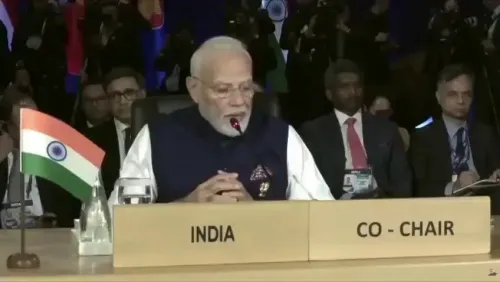
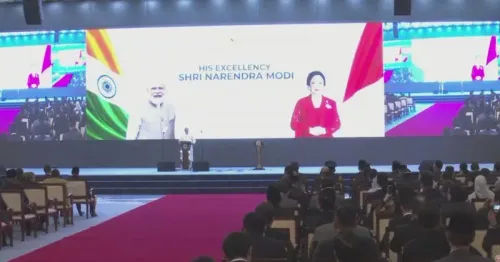
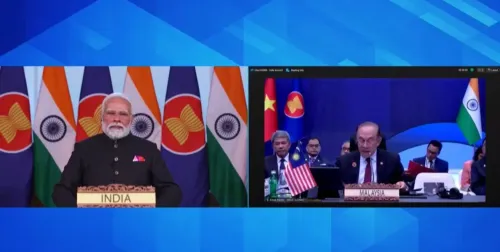
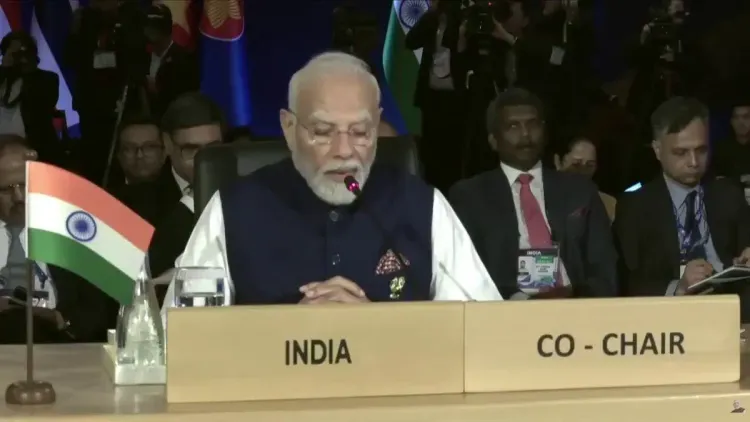
Delhi CM Rekha Gupta shared PM Narendra Modi 's statement from his Philippines visit on 17 November 2026 .
Modi stressed that India and ASEAN together represent nearly one-fourth of the world's population .
The PM called for the region's future to be shaped by cooperation, not competition, and for it to become a symbol of peace and stability.
India upgraded relations with ASEAN to a Strategic Partnership in 2012 and launched the Act East Policy in 2014 .
India-ASEAN trade architecture spans a Goods Agreement ( 2009 ) expanded to services and investment by 2015 .
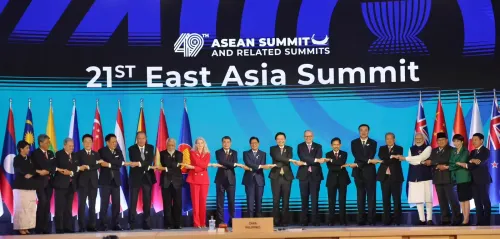
India participates in ASEAN-led mechanisms including the East Asia Summit and ASEAN Regional Forum .
A quarter of humanity — that is what India and ASEAN represent together, and Delhi Chief Minister Rekha Gupta wants that number to register. On Tuesday, 17 November 2026, Gupta shared Prime Minister Narendra Modi's words from his ongoing Philippines visit, amplifying a message that reframes the India-ASEAN relationship: not as a contest for regional dominance, but as a partnership built to last.
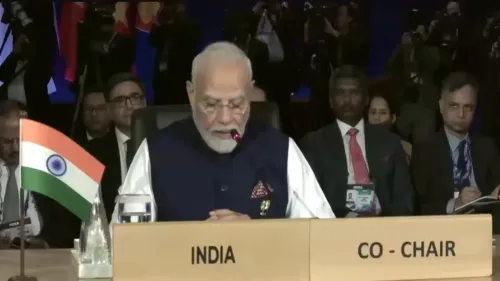
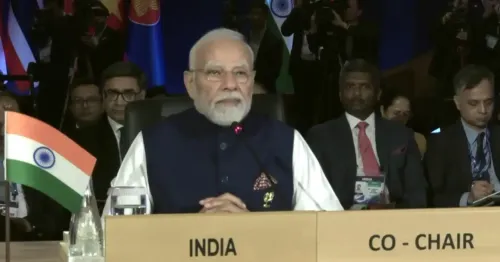
The quote Gupta elevated came directly from PM Modi during his engagements in Manila: 'हमारा भविष्य कंपटीशन से नहीं, कोऑपरेशन से तय हो' — 'Our future must be decided not by competition, but by cooperation.' He added that India and ASEAN together have both the capability and the resolve to make the region a symbol of peace and stability.
India's Act East anchor and the ASEAN bet
Modi's words in the Philippines land on well-prepared ground. India upgraded its ties with ASEAN to a Strategic Partnership in 2012, and two years later launched the Act East Policy — a deliberate shift from the earlier 'Look East' posture to one of active engagement. The policy has since driven deeper economic, maritime, and cultural integration across Southeast Asia.
India and ASEAN have layered trade architecture since the Trade in Goods Agreement of 2009, later expanded to cover services and investment by 2015. The bloc sits at the heart of India's Indo-Pacific outlook, embedded in mechanisms like the East Asia Summit and the ASEAN Regional Forum. Successive Indian governments — cutting across political lines — have used every ASEAN-India summit to stress the same theme: a rules-based regional order, anchored in cooperation.
Why Manila, why now
The Philippines is not an incidental backdrop. As an ASEAN member navigating its own pressures in the South China Sea, Manila has watched India's advocacy for a rules-based order with interest. Modi's framing — that the region's future lies in cooperation, not competition — speaks as much to those maritime anxieties as it does to trade corridors and investment flows.
The pitch also carries domestic resonance. For BJP leaders like CM Gupta, amplifying a foreign-policy signal is a way of projecting the party's brand of confident, globally active governance back home — connecting a Delhi constituency to a Manila podium in a single post.
Cooperation between one-fourth of the world's population is not a talking point. It is a structural fact — and Modi's Philippines visit is the latest attempt to make that fact do real diplomatic work.
Point of View
Rekha Gupta connects BJP's domestic political identity to India's foreign-policy ambitions — a pattern that reinforces the party's projection of confident, globally engaged governance. Modi's 'cooperation over competition' framing is a durable Indian diplomatic formulation that subtly addresses South China Sea tensions without naming them, keeping India's options open with all ASEAN members. The Philippines visit fits the Act East Policy's strategic logic: deepening maritime-nation ties to reinforce a rules-based Indo-Pacific order. The key test will be whether the visit produces concrete deliverables — joint statements, investment pledges, or new bilateral mechanisms — to back the rhetoric.
NationPress
18 Nov 2026
Frequently Asked Questions
What did PM Modi say about India and ASEAN during his Philippines visit?
PM Modi said India and ASEAN together represent nearly one-fourth of the world's population, and that their future should be determined by cooperation, not competition. He stressed that both sides have the capability and resolve to make the region a symbol of peace and stability.
Why is PM Modi visiting the Philippines in 2026?
PM Modi's Philippines visit is part of India's sustained engagement with ASEAN member states under the Act East Policy. The Philippines is an ASEAN member and the visit is aimed at deepening bilateral and regional ties, including discussions on trade, maritime security, and regional stability.
What is India's Act East Policy?
The Act East Policy was announced in 2014 to actively strengthen India's economic, strategic, and cultural connections with Southeast Asian nations. It upgraded the earlier 'Look East' approach into a more dynamic engagement with ASEAN and the broader Indo-Pacific region.
When did India and ASEAN become strategic partners?
India and ASEAN upgraded their relationship to a Strategic Partnership in 2012 during the India-ASEAN Commemorative Summit, building on a Trade in Goods Agreement signed in 2009.
Why did Delhi CM Rekha Gupta share PM Modi's ASEAN statement?
CM Rekha Gupta, a BJP leader, shared Modi's statement from the Philippines to amplify the government's foreign-policy messaging on India-ASEAN cooperation, connecting the Prime Minister's diplomatic outreach to a broader domestic audience.