CM Rekha Gupta Extends Delhi Slum Rehab Cutoff to Jan 2025
Synopsis
Delhi CM Rekha Gupta, at DUSIB's 36th board meeting on 23 June 2026, extended slum rehabilitation eligibility to all settlements formed up to 1 January 2025 — up from the earlier 2015 cutoff — under the newly finalised Delhi Slum and Jhuggi Jhopdi Rehabilitation and Resettlement Policy, 2026.
Key Takeaways
The 36th DUSIB board meeting on 23 June 2026 , chaired by CM Rekha Gupta , extended slum rehabilitation eligibility to settlements formed up to 1 January 2025 .
The earlier cutoff year was 2015 ; the new date represents a decade-long expansion of coverage.
The decision aligns with the Delhi Slum and Jhuggi Jhopdi Rehabilitation and Resettlement Policy, 2026 , finalised by Union Home Minister Amit Shah .
Lakhs of jhuggi-dwelling families in Delhi will become newly eligible for formal rehabilitation, including modern housing with schools, health centres, anganwadis, and playgrounds.
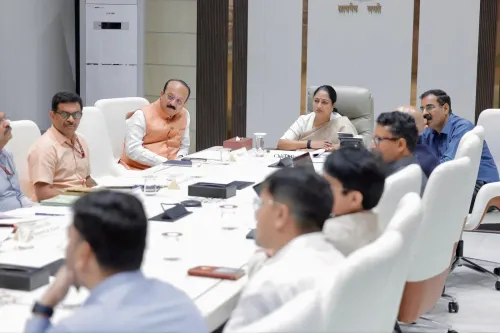
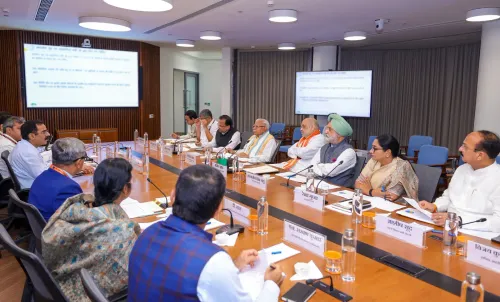
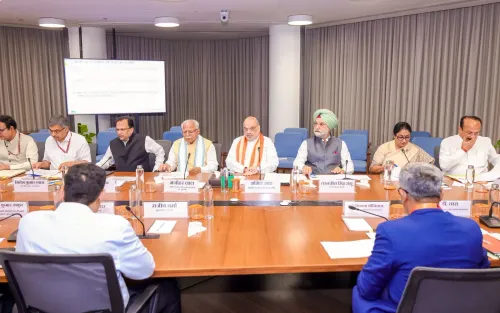
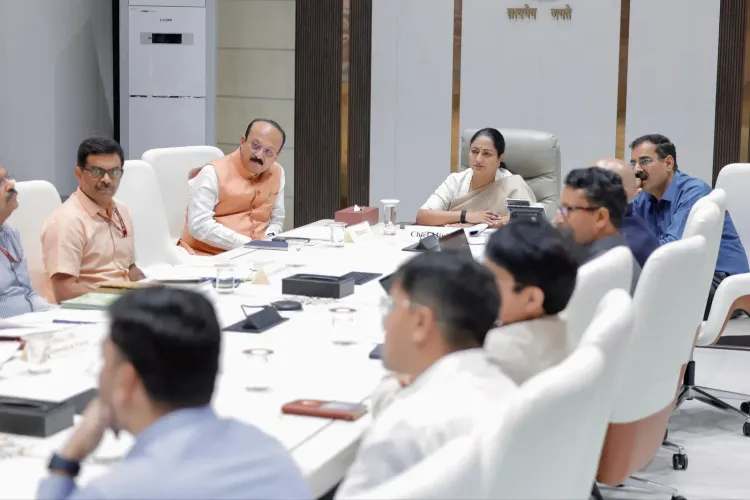
Cabinet minister Ashish Sood and senior officials from all relevant departments attended the DUSIB meeting.
DUSIB is expected to launch fresh surveys and construction tenders to implement the expanded policy.
Delhi Chief Minister Rekha Gupta on Tuesday, 23 June 2026, announced a landmark decision at the 36th meeting of the Delhi Urban Shelter Improvement Board (DUSIB): all jhuggi residents living in settlements formed up to 1 January 2025 will now be eligible for rehabilitation benefits — a significant expansion from the earlier cutoff year of 2015.
Context
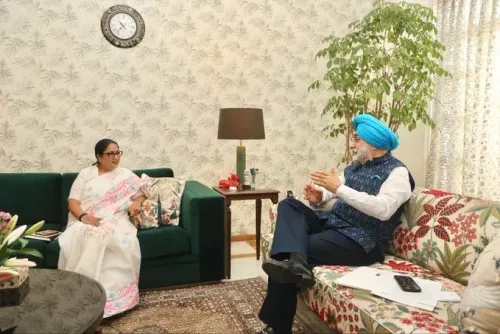
In her post, CM Rekha Gupta declared: 'दिल्ली में 1 जनवरी 2025 तक बनी सभी झुग्गी बस्तियों के निवासियों को पुनर्वास का लाभ मिलेगा' ('All residents of jhuggi settlements formed in Delhi up to 1 January 2025 will receive rehabilitation benefits'). The decision was taken at the DUSIB's 36th board meeting and aligns with the Delhi Slum and Jhuggi Jhopdi Rehabilitation and Resettlement Policy, 2026, finalised by Union Home Minister Amit Shah. Cabinet colleague Ashish Sood and senior officials from all relevant departments were present at the meeting.
Policy Backdrop
DUSIB was constituted under the Delhi Urban Shelter Improvement Board Act, 2010 as the statutory body responsible for slum surveys, rehabilitation, and resettlement across the national capital. Until this decision, the eligibility cutoff for rehabilitation benefits had remained fixed at the year 2015 — meaning residents of settlements that came up after that year were excluded from formal housing entitlements. The new 2026 Policy, by pushing the cutoff forward by a full decade to 1 January 2025, captures a large cohort of settlements that grew around Delhi's periphery in the intervening years. The move mirrors the thrust of the central government's Pradhan Mantri Awas Yojana – Urban (PMAY-U), which prioritises formal housing with basic civic services for low-income households.
CM Gupta framed the decision as advancing Prime Minister Narendra Modi's Garib Kalyan (welfare of the poor) agenda. She noted that the revised policy would pave the way for providing lakhs of families with modern housing equipped with schools, health centres, anganwadis, playgrounds, and other essential amenities — enabling every family to live with dignity, security, and a better future.
Stakeholders and Impact
The beneficiaries are the lakhs of jhuggi-dwelling families in Delhi whose settlements were formed after 2015 and who were previously ineligible for any rehabilitation package. Extending the cutoff date is particularly significant given the rapid pace of unauthorised construction around Delhi's periphery in the post-2015 period. Beyond housing, the policy promises access to a bundle of social infrastructure — schools, health centres, anganwadis, and recreational spaces — which were previously out of reach for residents of unrecognised settlements.
The decision also has political salience: slum rehabilitation has historically been a contentious electoral issue in Delhi, with successive governments at the state and central levels competing to expand coverage. The BJP-led Delhi government under CM Gupta is now positioning this move as a fulfilment of the party's urban-welfare commitments.
What's Next
DUSIB is expected to initiate fresh surveys to enumerate households newly eligible under the 1 January 2025 cutoff, followed by the issuance of allotment letters and the floating of construction tenders under the 2026 Policy. Coordination with the Ministry of Housing and Urban Affairs will be essential for land allocation and funding. Budgetary provisions for the expanded programme are likely to feature in the next Delhi budget. The pace and scale of implementation will determine whether the policy's promise translates into tangible housing for the city's most vulnerable residents.
Point of View
Effectively bringing in a large swathe of post-2015 settlements that previous policy frameworks had left in limbo. The move is carefully tethered to both central authority — framed as an extension of Home Minister Amit Shah's finalised policy and PM Modi's Garib Kalyan brand — and local governance, giving Chief Minister Rekha Gupta a tangible urban-welfare credential early in her tenure. Periodic revisions to Delhi's slum cutoff dates have long served dual purposes: addressing genuine housing deficits and consolidating electoral support among the city's large informal-settlement population. The real test will be DUSIB's administrative capacity to survey, enumerate, and deliver housing at scale without the delays and litigation that have historically plagued slum rehabilitation in the capital.
NationPress
23 Jun 2026
Frequently Asked Questions
What is the new cutoff date for Delhi slum rehabilitation?
The new cutoff date is 1 January 2025 . All residents of jhuggi settlements in Delhi formed up to that date are now eligible for rehabilitation benefits under the Delhi Slum and Jhuggi Jhopdi Rehabilitation and Resettlement Policy, 2026.
What was the old cutoff year for Delhi slum rehabilitation?
Until this decision, the eligibility cutoff for rehabilitation benefits was fixed at the year 2015 . Residents of settlements formed after 2015 were not entitled to formal rehabilitation packages.
What is DUSIB and what does it do?
DUSIB stands for the Delhi Urban Shelter Improvement Board, a statutory body constituted under the Delhi Urban Shelter Improvement Board Act, 2010. It is responsible for conducting slum surveys, and overseeing the rehabilitation and resettlement of jhuggi dwellers across Delhi.
Who finalised the Delhi Slum and Jhuggi Jhopdi Rehabilitation Policy 2026?
The Delhi Slum and Jhuggi Jhopdi Rehabilitation and Resettlement Policy, 2026 was finalised by Union Home Minister Amit Shah . The policy forms the basis for the new eligibility cutoff announced at DUSIB's 36th board meeting.
What facilities will rehabilitated slum families receive under the new policy?
According to CM Rekha Gupta , eligible families will be provided modern housing equipped with schools, health centres, anganwadis, playgrounds, and other essential amenities, aimed at ensuring dignity, security, and improved quality of life.