CM Bhajanlal holds key meet on Yamuna water project

Synopsis
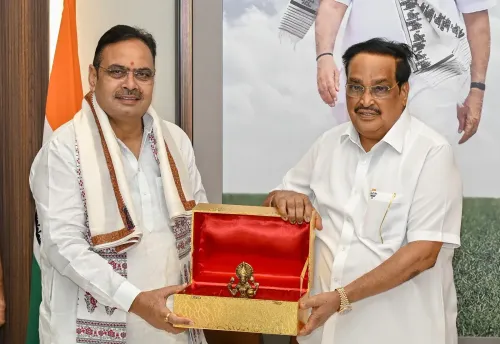
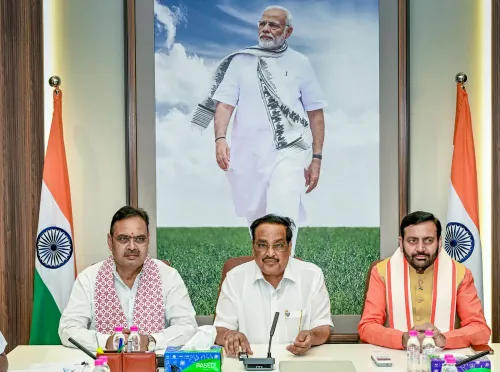
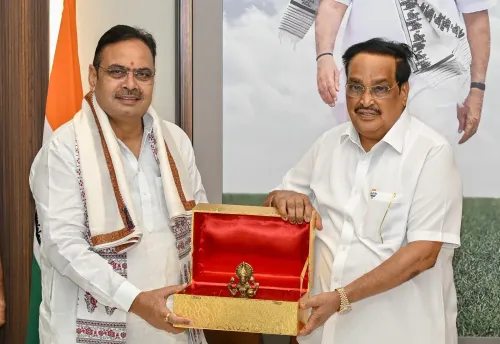
Chief Minister Bhajanlal Sharma met Union Jal Shakti Minister C.R. Patil and Haryana CM Nayab Singh Saini in New Delhi on 23 June 2026 to advance the Yamuna Water Project. Talks covered MoA clauses and the Kishau Dam, with Sharma pledging swift implementation to bring drinking water and irrigation to Rajasthan's arid Shekhawati region.
Key Takeaways
CM Bhajanlal Sharma held a tripartite meeting in New Delhi on 23 June 2026 with Union Jal Shakti Minister C.R.
Patil and Haryana CM Nayab Singh Saini .
Talks focused on key clauses of the memorandum of agreement (MoA) and the Kishau Dam project on the Tons river , a Yamuna tributary in Uttarakhand .
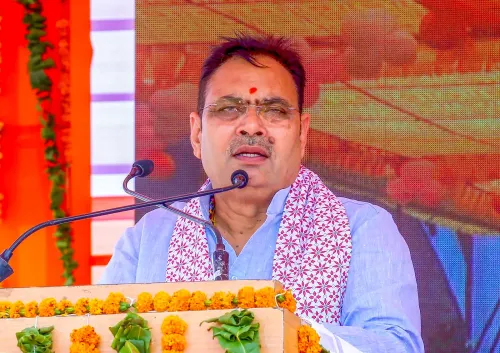
CM Sharma pledged that the project will be implemented 'at the earliest' with central and Haryana government cooperation.
The primary beneficiary region is Shekhawati — covering Sikar , Jhunjhunu , and Churu districts — which faces chronic drinking water and irrigation shortages.
The Yamuna basin is governed by a 1994 MoU among five states, with the Upper Yamuna River Board regulating allocations.
Finalisation of the MoA text and a formal funding sanction from the Jal Shakti Ministry are the critical next steps.
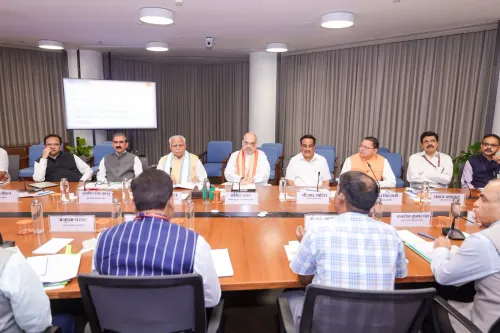
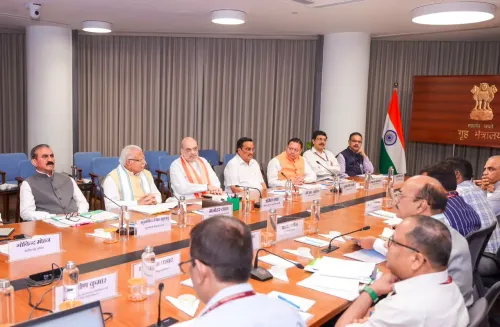
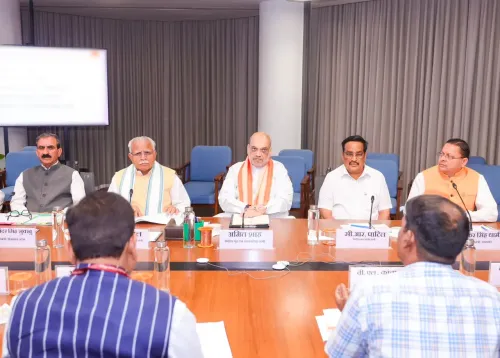
The Chief Minister's Office of Rajasthan announced on Tuesday, 23 June 2026 that Chief Minister Bhajanlal Sharma held a significant meeting in New Delhi with Union Jal Shakti Minister C.R. Patil and Haryana Chief Minister Nayab Singh Saini to advance the Yamuna Water Project, with discussions centred on the Kishau Dam and key points of a memorandum of agreement (MoA).
Context
The trilateral meeting brought together the governments of Rajasthan, Haryana, and the Union government to push forward one of the region's most consequential water-sharing initiatives. According to the official post, discussions were sकारात्मक (positive) on various clauses of the MoA and on the Kishau Dam project. CM Bhajanlal Sharma stated that with the cooperation of the central government and Haryana, 'this ambitious project will be implemented on the ground at the earliest, benefiting the Shekhawati region with drinking water and irrigation facilities.'
Policy Backdrop
The Kishau Dam is a proposed multipurpose project on the Tons river, a tributary of the Yamuna in Uttarakhand, designed to augment water storage for downstream states including Rajasthan and Haryana. The project has featured in central and state-level Yamuna basin development discussions since the 2000s as part of broader storage augmentation proposals. Interstate water allocation in the Yamuna basin is governed by a 1994 memorandum of understanding among basin states — Haryana, Rajasthan, Delhi, Uttar Pradesh, and Himachal Pradesh — with the Upper Yamuna River Board regulating flows.
Rajasthan has long pursued additional Yamuna allocations to address chronic groundwater depletion and canal supply shortfalls in its northern districts. Similar tripartite coordination mechanisms have been deployed for comparable basin projects such as Renuka and Lakhwar, underscoring the established federal template for resolving competing interstate water claims.
Stakeholders and Impact
The Shekhawati region — covering the arid districts of Sikar, Jhunjhunu, and Churu in northern Rajasthan — stands to be the primary beneficiary of any successful project execution. The area has historically faced severe drinking water shortages and limited irrigation access, constraining agricultural productivity and quality of life for millions of residents. Farmers across Shekhawati have been among the most vocal advocates for a durable surface-water solution, given the rapid depletion of groundwater tables in the sub-region.
Union Jal Shakti Minister C.R. Patil's presence at the meeting signals active central facilitation, a critical ingredient in advancing projects that require reconciling competing allocations across multiple state governments. Haryana's participation through CM Nayab Singh Saini is equally significant, as downstream flow management and shared infrastructure costs hinge on Haryana's agreement.
What's Next
The immediate next step will be technical meetings to finalise the text of the MoA, followed by any formal approval or funding sanction from the Jal Shakti Ministry. CM Bhajanlal Sharma's public commitment to 'swift ground-level implementation' places political pressure on all three parties to move from dialogue to documented agreement. If the MoA is concluded and the Kishau Dam project receives central funding clearance, it could mark a decisive shift in Rajasthan's long-running effort to secure a reliable Yamuna water share for its water-stressed northern belt.
Point of View
With the BJP's simultaneous hold on the Rajasthan, Haryana, and central governments creating a rare political alignment that could finally unlock the Kishau Dam's progress. CM Bhajanlal Sharma's public framing of the meeting as 'positive' and his explicit commitment to ground-level implementation signals that Jaipur is treating this as a deliverable ahead of the electoral cycle rather than a perennial aspiration. The involvement of Union Minister C.R. Patil elevates the meeting beyond a bilateral state-level discussion, suggesting the Jal Shakti Ministry is prepared to play an active coordinating and funding role. If the MoA is concluded swiftly, it would validate the BJP's federalist water-governance model and set a template for resolving similar long-pending interstate river disputes.
NationPress
23 Jun 2026
Frequently Asked Questions
What is the Yamuna Water Project for Rajasthan?
The Yamuna Water Project aims to secure a share of Yamuna river flows for Rajasthan, primarily through the proposed Kishau Dam on the Tons river in Uttarakhand, to supply drinking water and irrigation to the arid Shekhawati region covering Sikar, Jhunjhunu and Churu districts.
What is the Kishau Dam and where will it be built?
The Kishau Dam is a proposed multipurpose dam on the Tons river, a tributary of the Yamuna, located in Uttarakhand. It is designed to augment water storage and supply downstream states including Rajasthan and Haryana with water for drinking, irrigation and hydropower.
Which districts in Rajasthan will benefit from the Yamuna water project?
The Shekhawati region — comprising Sikar, Jhunjhunu and Churu districts in northern Rajasthan — is the primary intended beneficiary, as these districts face severe groundwater depletion and limited canal irrigation access.
What is the MoA being discussed between Rajasthan, Haryana and the central government?
The memorandum of agreement (MoA) covers the terms under which Rajasthan, Haryana and the Union government will share responsibilities, costs and water allocations under the Yamuna Water Project and the Kishau Dam. The specific clauses remain under negotiation and have not been publicly finalised.
What is the current status of Yamuna water sharing among states?
Yamuna water sharing is governed by a 1994 memorandum of understanding among Haryana, Rajasthan, Delhi, Uttar Pradesh and Himachal Pradesh, with the Upper Yamuna River Board responsible for regulating flows. The Kishau Dam is intended to augment storage and help meet the allocations promised under that arrangement.