CM Rekha Gupta hails Cabinet nod to Green Energy Corridor Phase-III
Synopsis
The Union Cabinet approved Green Energy Corridor Phase-III, targeting 135 GW renewable evacuation and 50 GWh battery storage. Delhi CM Rekha Gupta hailed the decision as a step toward India's 900 GW non-fossil energy goal by 2035, crediting PM Modi's leadership.
Key Takeaways
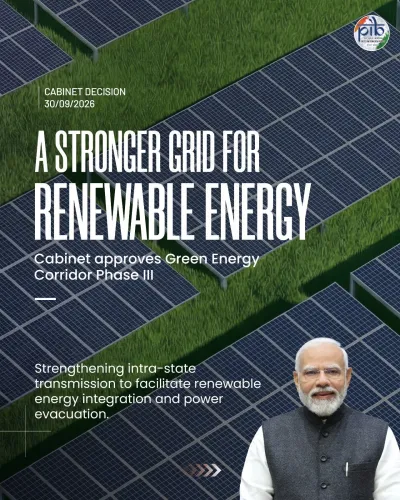
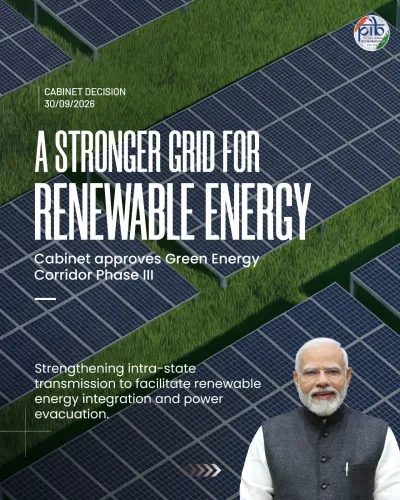
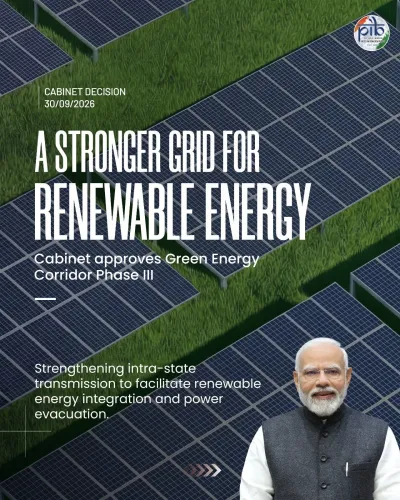
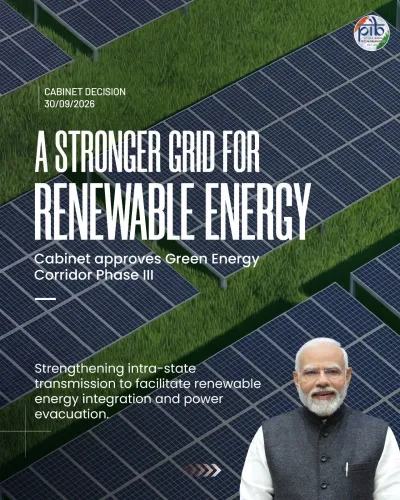
The Union Cabinet, under PM Narendra Modi , approved Green Energy Corridor Phase-III on 30 September 2026 .
The project targets evacuation capacity for 135 GW of renewable energy across states and Union Territories.
A 50 GWh battery energy storage component is included to address grid intermittency.
The approval is framed as supporting India's goal of 900 GW non-fossil fuel capacity by 2035 .
Delhi CM Rekha Gupta welcomed the decision, highlighting job creation and energy security benefits.
India's Green Energy Corridor programme has run since the mid-2010s to link renewable-rich regions with demand centres.
India's clean-energy ambition just cleared a major bureaucratic milestone. The Union Cabinet, under Prime Minister Narendra Modi, has approved the Green Energy Corridor Phase-III — a transmission mega-project designed to carry renewable power from generation hubs to every corner of the country, and Delhi Chief Minister Rekha Gupta was quick to welcome the decision on Wednesday, 30 September 2026.
Posting on X in Hindi, CM Gupta described the Cabinet clearance as giving 'new momentum to India's clean and empowered energy future.' She cited three headline numbers from the approval: evacuation capacity for 135 GW of renewable energy, a 50 GWh battery storage component, and a reinforced power grid spanning states and Union Territories — all oriented toward a national target of 900 GW of non-fossil fuel capacity by 2035.
What the Green Energy Corridor actually does
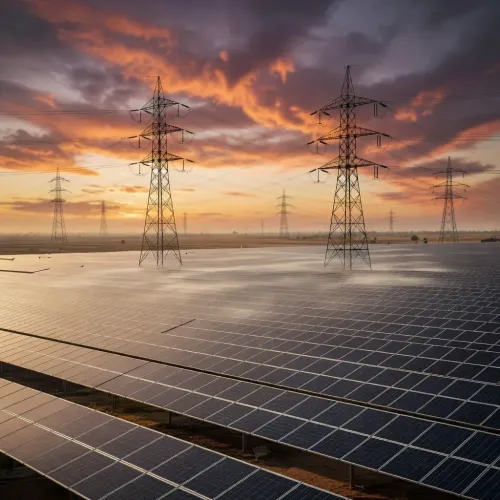
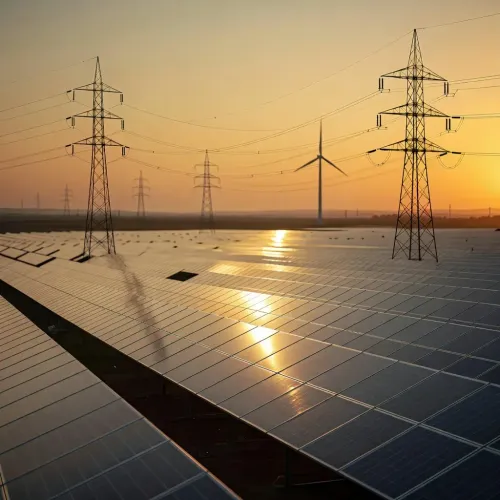
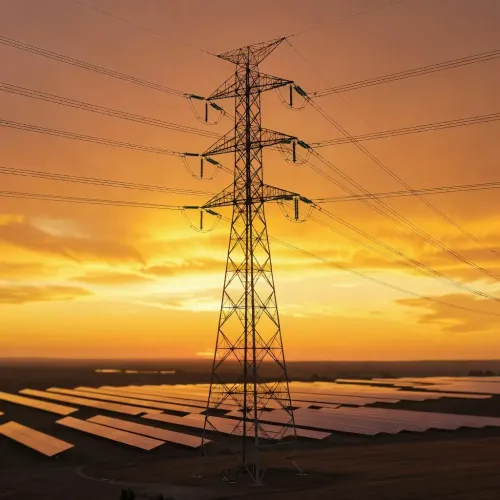
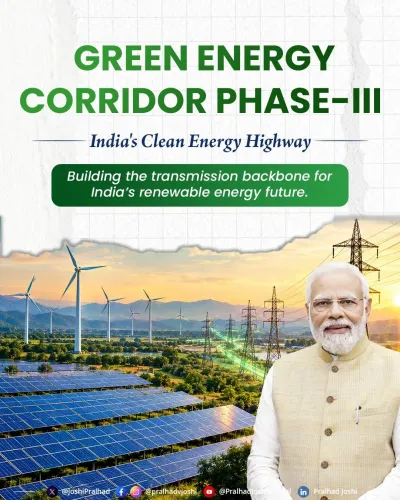
The Green Energy Corridor programme, running since the mid-2010s, exists to solve a structural problem: India's best solar and wind resources sit far from its biggest electricity consumers. Without dedicated high-voltage transmission lines, surplus renewable power simply cannot reach demand centres — it gets curtailed or lost. Each successive phase of the Corridor has tried to close that gap, strengthening inter-state transmission and making room for higher shares of variable renewables on the national grid.
Phase-III, as described in the Cabinet decision, adds a significant new layer: the 50 GWh battery energy storage component addresses intermittency directly, storing power when the sun shines and the wind blows, then releasing it when they don't. That storage piece is among the most closely watched elements — tendering and commissioning timelines for it will determine how quickly the grid can actually absorb the promised 135 GW evacuation headroom.
The 900 GW target and India's climate commitments
India's renewable energy targets have grown steadily more ambitious. At COP26 in 2021, PM Modi announced the 'Panchamrit' pledges, which included reaching 500 GW of non-fossil fuel capacity by 2030. The 900 GW by 2035 figure cited in CM Gupta's post represents a further step beyond that original commitment — a signal that the government is calibrating its long-range grid infrastructure to a higher ceiling than the one it announced in Glasgow.
State power utilities and private renewable energy developers are the most immediate stakeholders. For developers, Cabinet approval of the Corridor means the transmission backbone they need to connect large solar and wind projects is being built out. For state utilities, stronger inter-state grid links reduce dependence on expensive short-term power purchases during peak demand.
Jobs and energy security: the twin political arguments
CM Gupta's post also flagged job creation as a benefit of the approval — a framing that reflects the BJP's broader effort to tie green infrastructure to economic dividends rather than presenting it purely as a climate obligation. Large-scale transmission and storage projects generate construction, engineering, and operations employment across multiple states, and the political messaging around Phase-III is clearly designed to make that link explicit.
Energy security is the other pillar. A grid that can absorb and redistribute 135 GW of renewable capacity reduces India's exposure to volatile fossil fuel import prices — an argument that has only sharpened since global energy markets turned turbulent in the early 2020s.
The real test of Phase-III will come in execution: whether tendering moves fast, whether state-level grid integration projects stay on schedule, and whether the storage component scales as planned. India has approved ambitious energy corridors before; the gap between Cabinet clearance and commissioned infrastructure is where the story truly unfolds.
Point of View
The party signals that green policy need not be a political liability. CM Gupta's endorsement also reflects how state-level BJP leaders are increasingly used to amplify central government decisions, creating a coordinated federal communications front. The 900 GW by 2035 target, if verified, would represent a significant upward revision of India's publicly stated clean-energy ambitions — making the fine print of this Cabinet decision worth scrutinising closely.
NationPress
30 Sept 2026
Frequently Asked Questions
What is Green Energy Corridor Phase-III?
Green Energy Corridor Phase-III is a Union Cabinet-approved transmission project designed to evacuate up to 135 GW of renewable energy from generation-rich regions to demand centres across India, backed by 50 GWh of battery energy storage.
What is India's 900 GW non-fossil energy target?
According to the Cabinet decision cited by CM Rekha Gupta, India is targeting 900 GW of non-fossil fuel energy capacity by 2035, building on the earlier COP26 pledge of 500 GW by 2030.
Why does India need a Green Energy Corridor?
India's best solar and wind resources are located far from its largest electricity consumers. The Green Energy Corridor programme builds dedicated high-voltage transmission lines so surplus renewable power can reach demand centres instead of being wasted.
What is the role of the 50 GWh battery storage in Phase-III?
The 50 GWh battery storage component stores renewable electricity when generation is high and releases it during periods of low sun or wind, reducing grid intermittency and making the system more reliable.
Why did Delhi CM Rekha Gupta comment on a central government energy decision?
As a BJP leader and Delhi Chief Minister, Rekha Gupta used the Cabinet approval to publicly credit PM Modi's leadership on clean energy, a common practice where state-level party leaders amplify central government policy announcements.