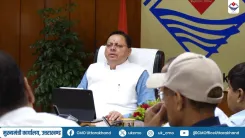
CM Rekha Gupta Hails Lok Sabha Passage of Exam Anti-Cheating Bill

Synopsis
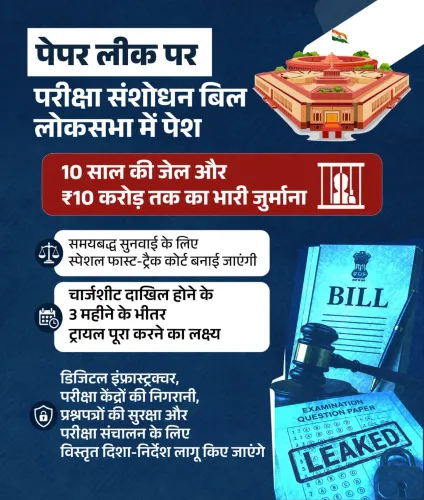
Delhi CM Rekha Gupta hailed the Lok Sabha passage of the Public Examinations (Prevention of Unfair Means) Amendment Bill, 2026, which prescribes up to 10 years in prison and fines of up to ₹10 crore for paper leaks and organised examination crimes, calling it a historic step for student welfare.
Key Takeaways
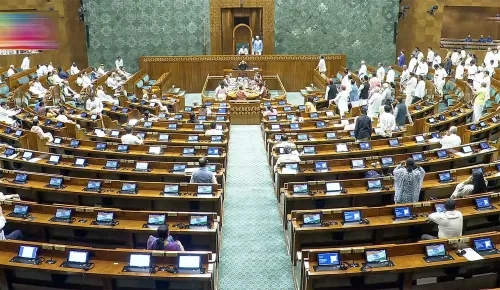
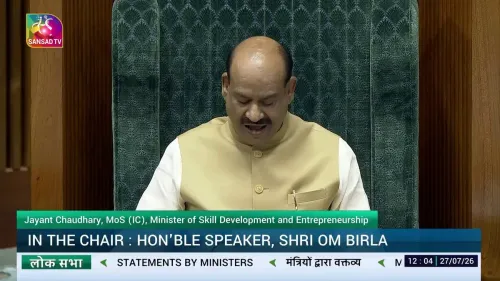
The Public Examinations (Prevention of Unfair Means) Amendment Bill, 2026 was passed in the Lok Sabha on 29 July 2026 .
The bill prescribes up to 10 years of imprisonment and fines of up to ₹10 crore for those convicted of paper leaks and organised examination fraud.
The legislation amends the Public Examinations (Prevention of Unfair Means) Act, 2024 , which was the first major statutory framework against exam malpractice.
Delhi CM Rekha Gupta credited PM Narendra Modi 's leadership and called the bill a 'historic milestone' for transparency and accountability in India's examination system.
The bill must still pass the Rajya Sabha and have implementation rules notified before it comes into force for bodies like NTA and UPSC .
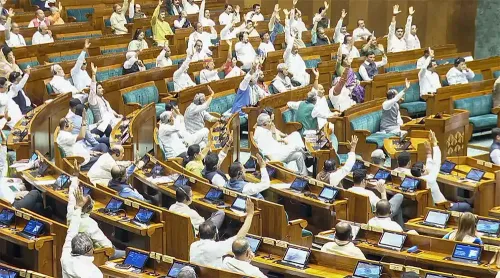
For millions of students who have watched their hard work unravel because of a leaked question paper, Wednesday, 29 July 2026 marks a turning point. Delhi Chief Minister Rekha Gupta welcomed the passage of the Public Examinations (Prevention of Unfair Means) Amendment Bill, 2026 in the Lok Sabha, calling it a historic step that strengthens the faith of crores of students and their families.
In her post, CM Gupta declared that the central government under Prime Minister Narendra Modi has made its position unambiguous: those who tamper with young people's futures will not be spared at any cost. She highlighted the bill's sharpest teeth — up to 10 years of imprisonment and fines of up to ₹10 crore for those found guilty of paper leaks and organised examination crimes.
From the 2024 Act to the 2026 Amendment: Tightening the Net
The legislative journey did not begin here. The Public Examinations (Prevention of Unfair Means) Act, 2024 was the first serious statutory attempt to criminalise malpractices in competitive examinations — a response to a pattern of high-profile leaks that had shaken public confidence in national-level tests. The 2026 Amendment Bill builds on that foundation, extending and strengthening those provisions.
The broader pattern is clear: successive central governments have tightened the legal framework for examination integrity each time a major scandal exposed the gaps. The 2026 bill represents the sharpest escalation yet — moving from deterrence in principle to deterrence by scale, with penalties severe enough to target not just individual cheaters but the organised syndicates behind them.
What the Stiffer Penalties Mean for Exam Mafias
The phrase 'pariksha mafia' (examination mafia) has entered mainstream political vocabulary in India, describing networks that systematically leak papers for profit. CM Gupta specifically named these syndicates as the target, arguing that the new provisions will place an 'effective check' on their operations.
For students preparing for examinations conducted by bodies such as the NTA and UPSC, the amendment signals a system attempting to guarantee what should be a basic promise: that merit, not money or connections, decides outcomes. Every honest student deserves a fair opportunity, every parent's trust must be preserved, and the country's talent must advance without obstruction — these were the three pillars CM Gupta cited as the bill's greatest strength.
Rajya Sabha and Rules Notification: The Work Ahead
Passage in the Lok Sabha is the first milestone, not the finish line. The bill must still clear the Rajya Sabha before it can be notified into law, and implementing bodies will then need to frame and publish rules that translate the penalties into enforceable procedure. How swiftly those steps follow will determine whether the legislation's deterrent effect is felt before the next major examination cycle.
India's examination system has long been described as a pressure cooker — tens of millions of aspirants, a handful of seats, and the knowledge that a single leaked paper can invalidate years of preparation. The 2026 amendment does not fix the pressure. But it raises the cost of breaking the valve.
Point of View
And CM Gupta's endorsement positions her party firmly on the side of aspirational youth ahead of any electoral cycle. The escalation from the 2024 Act to the 2026 Amendment follows a classic legislative ratchet — each scandal producing a stronger law — but the real test will be enforcement, since India's prior anti-cheating statutes were rarely invoked at scale. If the Rajya Sabha passes the bill swiftly and the implementing rules are notified before the next NTA cycle, the government can credibly claim it has structurally reformed the system; delay risks reducing the law to political symbolism.
NationPress
29 Jul 2026
Frequently Asked Questions
What is the Public Examinations (Prevention of Unfair Means) Amendment Bill 2026?
It is a bill passed by the Lok Sabha on 29 July 2026 that amends the 2024 Act to impose stricter penalties — up to 10 years in prison and fines of up to ₹10 crore — on individuals and groups involved in paper leaks and organised examination fraud in public competitive exams.
What punishment does the new exam bill prescribe for paper leaks?
The bill prescribes up to 10 years of imprisonment and a fine of up to ₹10 crore for those convicted of paper leaks and organised examination crimes targeting public examinations.
Has the exam anti-cheating bill become law yet?
Not yet. The bill was passed by the Lok Sabha but must still be approved by the Rajya Sabha and receive presidential assent before it can be notified as law and implemented by bodies like NTA and UPSC.
What was the Public Examinations Act 2024?
The Public Examinations (Prevention of Unfair Means) Act, 2024 was the original law that first introduced criminal penalties for malpractices such as paper leaks in competitive examinations. The 2026 amendment extends and strengthens those provisions.
Why did Rekha Gupta comment on the exam bill?
As Delhi Chief Minister and a BJP leader, Rekha Gupta welcomed the bill as a historic step by the Modi government to protect students' futures and restore trust in India's public examination system.