CM Rekha Gupta Joins Chhath Arghya at Hathi Ghat
Synopsis
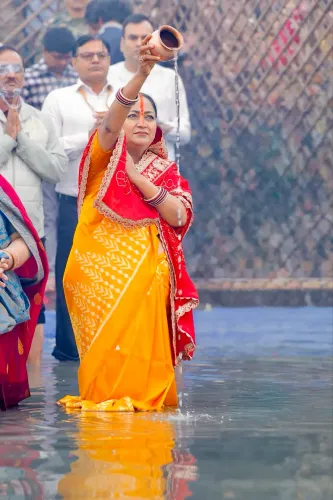
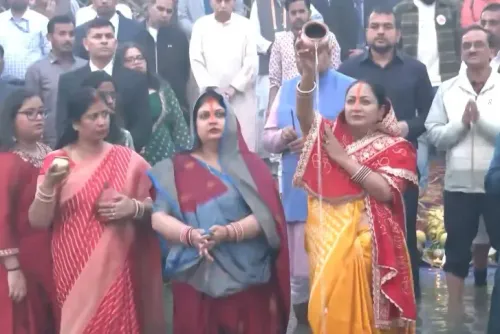
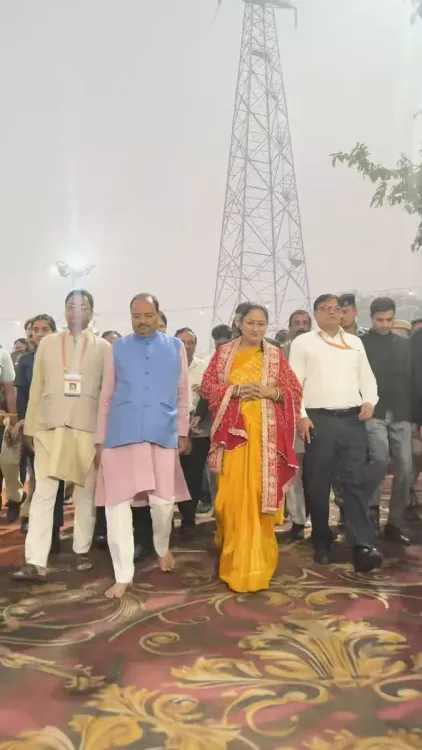
Delhi Chief Minister Rekha Gupta joined thousands of devotees at Hathi Ghat on November 16 for the Usha Arghya ritual of Chhath Mahaparv, praising Team Delhi for 'Divya and Bhavya' ghat preparations and offering prayers for every Delhi family's happiness and prosperity.
Key Takeaways
Delhi CM Rekha Gupta participated in the Usha Arghya ritual at Hathi Ghat on November 16, 2026 .
The morning offering to Surya Dev is the final and most significant stage of the four-day Chhath Mahaparv festival.
Gupta praised 'Team Delhi' for beautifully prepared ghats and thoughtful arrangements for Chhathvrati observers.
The hashtag #दिल्ली_में_दिव्य_भव्य_छठ (Delhi's Grand and Magnificent Chhath) accompanied the post as a civic branding effort.
Chhath Puja holds particular significance in Delhi due to the city's large population with roots in Bihar and Uttar Pradesh .
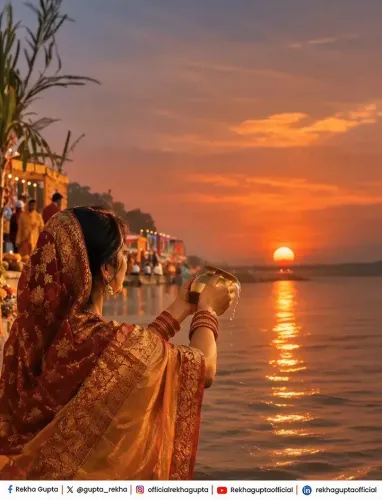
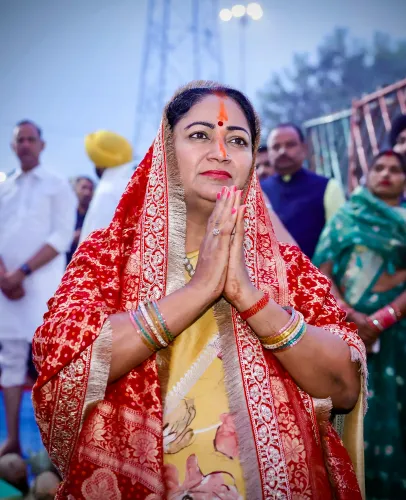
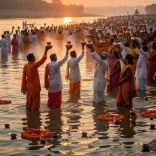
At the break of dawn on Monday, November 16, thousands of devotees waded into the waters of Hathi Ghat in Delhi to offer Usha Arghya — the sacred morning offering to the rising sun — and Delhi Chief Minister Rekha Gupta stood among them, joining the faithful at one of the capital's most beloved Chhath gathering sites.
Sunrise at Hathi Ghat: A moment in the river
Chhath Puja's Usha Arghya ritual marks the final and most emotionally charged stage of the four-day festival — devotees, many of whom have fasted without water for over 36 hours, greet the sun at first light as it clears the horizon. Gupta described the morning as 'a divine morning filled with faith, devotion and blessings,' noting prayers for 'the happiness, health and prosperity of every Delhi family.'
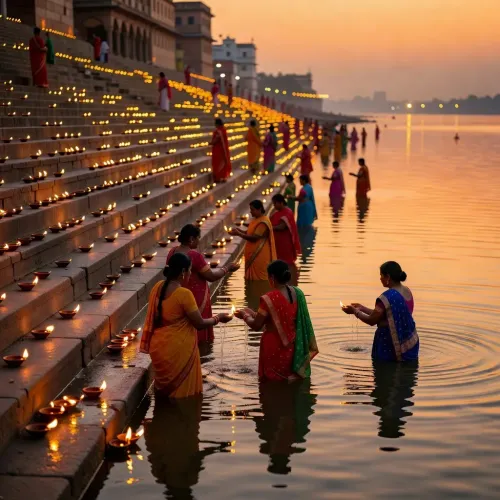
Hathi Ghat is among the riverside sites that Delhi's administration prepares each year for the festival's large public gatherings, ensuring clean access, lighting, and safety infrastructure for Chhathvrati — the men and women who observe the demanding ritual fast.
Team Delhi's arrangements and the 'Divya-Bhavya' mandate
Gupta extended 'heartfelt gratitude to Team Delhi' for executing what she called a 'Divya and Bhavya' — grand and magnificent — Chhath Mahaparv, citing 'beautifully prepared ghats and thoughtful arrangements for every Chhathvrati.' The hashtag #दिल्ली_में_दिव्य_भव्य_छठ (Delhi's Grand and Magnificent Chhath) trended alongside the post, signalling a deliberate civic branding effort around the festival.
Delhi administrations have long treated Chhath Puja logistics as a civic priority given the festival's deep roots among the city's large population of migrants from Bihar and Uttar Pradesh. BJP-led governments in the capital have emphasised visible, senior-level participation in such events as a way of connecting with traditional communities who observe the festival with particular devotion.
Chhath Mahaparv and its hold on Delhi
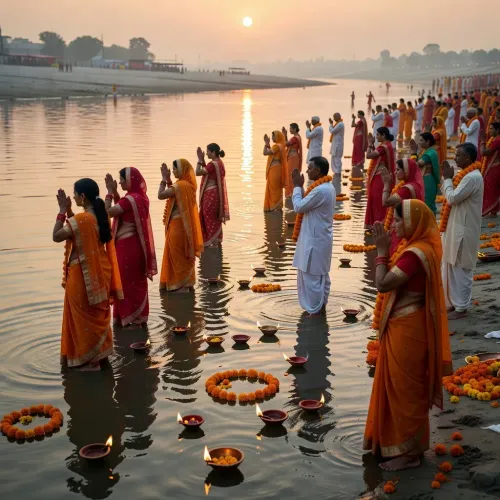
Chhath Puja — dedicated to Surya Dev (the sun god) and Chhathi Maiya (the sixth-day goddess) — is observed with unusual intensity across Delhi, the ghats of the Yamuna, and neighbourhood water bodies every autumn. For millions of families with roots in the Gangetic plains, the festival is not simply a religious observance but a cultural anchor: a weekend of collective identity, sacrifice, and renewal played out in public, at the water's edge, before the whole city.
Gupta closed her post with a blessing — 'May Chhathi Maiya bless every home with joy, peace and prosperity. Jai Chhathi Maiya!' — a phrase that echoed across ghat after ghat as the sun cleared the Delhi skyline.
When a Chief Minister stands barefoot at the river alongside thousands of ordinary families, the politics and the prayer exist in the same frame — and for the devotees present, the distinction rarely matters.
Point of View
A voter bloc that has historically shaped Delhi's assembly arithmetic. The 'Divya-Bhavya' framing — a phrase BJP leaders have used in similar festival contexts — doubles as civic branding, positioning the administration as an active organiser rather than a passive observer of public faith. For any Delhi government, smooth Chhath logistics are also a reputational test: a ghat incident or a crowd-management failure becomes an instant headline. That Gupta chose to amplify the administration's arrangements publicly suggests confidence in the ground execution.
NationPress
16 Nov 2026
Frequently Asked Questions
What is Usha Arghya in Chhath Puja?
Usha Arghya is the morning offering made to the rising sun on the final day of Chhath Puja. Devotees who have fasted — often without water for more than 36 hours — stand in a water body and offer prayers to Surya Dev at sunrise, marking the festival's most sacred and emotionally intense moment.
Where is Hathi Ghat in Delhi?
Hathi Ghat is a riverside gathering site in Delhi used prominently during Chhath Puja for large public rituals. Delhi's administration prepares such ghats each year with lighting, safety infrastructure, and access arrangements for the festival.
Why is Chhath Puja so significant in Delhi?
Delhi has a very large population of residents with roots in Bihar and Uttar Pradesh, where Chhath Puja is the most important annual festival. This demographic concentration makes Chhath one of the biggest public celebrations in the capital every year.
What did CM Rekha Gupta do during Chhath Puja 2026?
Delhi Chief Minister Rekha Gupta joined thousands of devotees at Hathi Ghat on November 16, 2026 to offer Usha Arghya to the rising sun and praised the Delhi administration's ghat preparations for Chhath Mahaparv.
What does 'Divya-Bhavya Chhath' mean?
'Divya-Bhavya' is a Hindi phrase meaning 'divine and grand.' Delhi CM Rekha Gupta used it to describe the scale and quality of the Chhath Mahaparv arrangements made by her administration, and it also appeared as a hashtag — #दिल्ली_में_दिव्य_भव्य_छठ — alongside her post.