CM Rekha Gupta launches Delhi Winter Pollution Master Plan
Synopsis
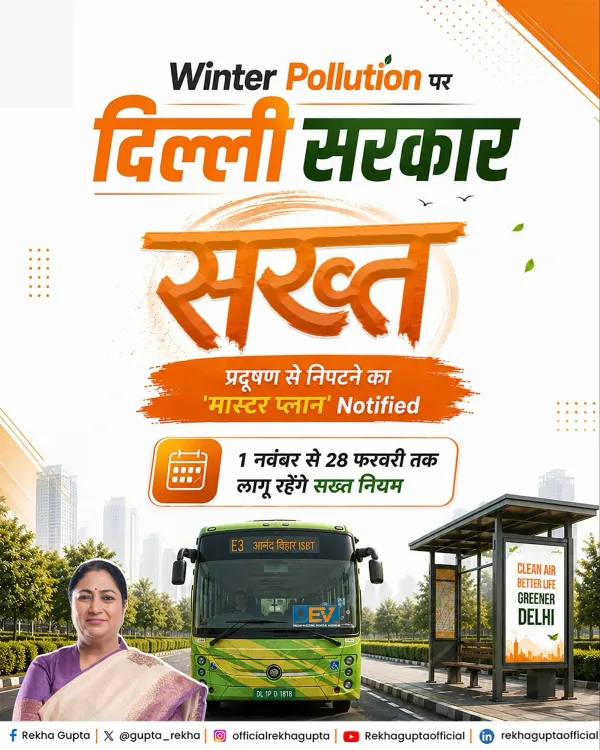
Delhi Chief Minister Rekha Gupta has launched a Winter Pollution Master Plan covering 1 November to 28 February, enforcing BS-VI vehicle entry curbs, a No-PUC-No-Fuel rule, construction anti-smog systems, open-burning bans, and drone-based monitoring to tackle the capital's annual winter air-quality crisis.
Key Takeaways
Delhi's Winter Pollution Master Plan will be active from 1 November to 28 February each year.
Vehicles below the BS-VI emission standard from outside Delhi will be barred from entering the city during the period.
A strict 'No PUC, No Fuel' rule will deny fuel to vehicles lacking a valid Pollution Under Control certificate.
Up to 50 per cent of employees may be directed to work from home on high-pollution days.
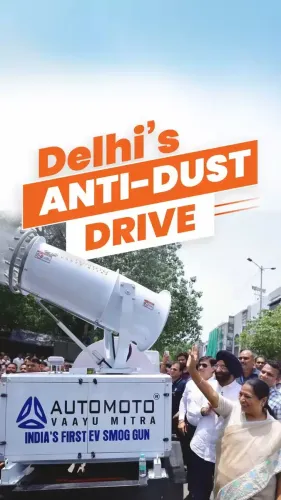
Large construction sites must install Anti-Smog and Mist Systems ; open burning of waste, leaves, and biomass is completely prohibited.
Drone surveillance will monitor compliance, with strict penalties for violators.
Delhi Chief Minister Rekha Gupta on 2 July 2026 announced the activation of a comprehensive 'Winter Pollution Master Plan' to combat the capital's annual winter air-quality crisis, with measures running from 1 November through 28 February.
What the plan mandates
The plan enforces a strict 'No PUC, No Fuel' rule, barring vehicles without a valid Pollution Under Control certificate from obtaining fuel at petrol stations. Entry of out-of-state vehicles below the BS-VI emission standard into Delhi will be prohibited during the period, a measure aimed at curbing vehicular pollution that accounts for a significant share of the city's particulate load.
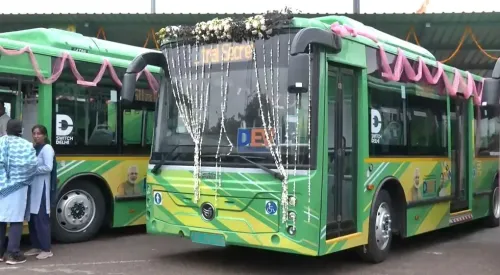
On days when air quality deteriorates sharply, up to 50 per cent of government employees may be asked to work from home. Parking fees will be raised to discourage private vehicle use, with the revenue expected to support expansion of public transport.
All large construction sites will be required to install Anti-Smog and Mist Systems, and construction activity will face additional restrictions as conditions demand. Open burning of waste, leaves, and biomass — a persistent source of localised pollution — will be completely prohibited. Drone-based surveillance will monitor compliance, with strict action promised against violators.
Context
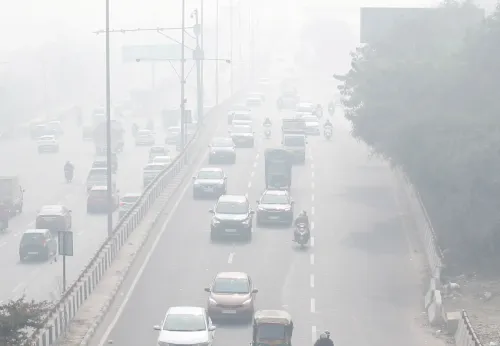
Delhi has recorded hazardous Air Quality Index levels every winter for over a decade. The mix of local vehicular and industrial emissions, construction dust, crop-residue burning in neighbouring states, and cold-weather meteorology that traps pollutants close to the ground makes October-to-February the most dangerous air-quality period for the capital's roughly 20 million residents.
The Graded Response Action Plan (GRAP), introduced in 2017, established a stage-wise emergency framework for the Delhi-NCR region. The Commission for Air Quality Management (CAQM), created by ordinance in 2020 and enacted into law in 2021, coordinates pollution control across Delhi and neighbouring states. Delhi governments have issued annual winter action plans since 2018, each layering fresh restrictions on to the GRAP architecture.
Policy backdrop
The Winter Pollution Master Plan announced by CM Rekha Gupta sits within this established regulatory ecosystem. The Supreme Court and the National Green Tribunal have repeatedly issued directions for coordinated action across the NCR, pushing successive administrations to move earlier in the calendar year rather than react only after AQI spikes. Announcing the framework in July — well before the October onset of the pollution season — signals an intent to give agencies, construction firms, and transport operators advance notice to prepare.
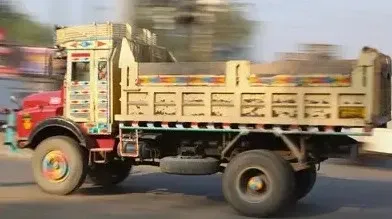
The vehicle-entry restriction targeting sub-BS-VI trucks and buses builds on earlier GRAP provisions that have historically been activated only after AQI crosses specified thresholds. Making the restriction a standing rule from 1 November removes the reactive lag that has drawn criticism in past seasons.
Stakeholders and impact
Delhi residents, particularly those with respiratory conditions, stand to benefit most if enforcement is sustained. Vehicle owners and interstate transport operators will need to upgrade or reroute fleets ahead of the November deadline. Construction firms running large sites face mandatory capital expenditure on anti-smog equipment. Farmers in Punjab and Haryana, whose paddy-stubble burning contributes to Delhi's winter smog, fall outside the direct jurisdiction of this plan but remain central to any durable solution.
What's next
Attention will turn to the CAQM and the Central Pollution Control Board (CPCB), which trigger formal GRAP stages once AQI crosses defined thresholds in October-November. Coordination meetings with Punjab and Haryana on farm-fire suppression will be critical to determining whether ground-level air quality actually improves. The effectiveness of drone surveillance and the speed of penalty enforcement will be early tests of whether this year's plan translates from announcement to action.
Point of View
Crisis-driven approach that has defined Delhi's air-quality governance for years. The move reflects pressure from the Supreme Court and CAQM to institutionalise pre-season preparedness rather than scramble once AQI turns hazardous. For the BJP administration, the plan also serves a political purpose: demonstrating proactive governance on an issue that has long been weaponised in Delhi's intensely competitive political arena. Whether the plan delivers on paper commitments will ultimately hinge on inter-state coordination on stubble burning — a variable that remains beyond Delhi's unilateral control.
NationPress
2 Jul 2026
Frequently Asked Questions
What is Delhi's Winter Pollution Master Plan?
Delhi's Winter Pollution Master Plan is a seasonal air-quality framework announced by Chief Minister Rekha Gupta that runs from 1 November to 28 February. It includes a No-PUC-No-Fuel rule, a ban on sub-BS-VI out-of-state vehicles, work-from-home provisions, mandatory anti-smog systems at construction sites, a complete ban on open burning, and drone-based enforcement.
Which vehicles will be banned from entering Delhi under the new plan?
Vehicles from outside Delhi that do not meet the BS-VI emission standard will be prohibited from entering the city between 1 November and 28 February under the Winter Pollution Master Plan.
What is the 'No PUC, No Fuel' rule in Delhi?
'No PUC, No Fuel' means petrol stations will deny fuel to any vehicle that cannot produce a valid Pollution Under Control (PUC) certificate. This rule is a key enforcement mechanism in Delhi's winter anti-pollution drive.
Will there be work from home in Delhi due to pollution?
Yes. Under the Winter Pollution Master Plan, up to 50 per cent of employees may be asked to work from home on days when air quality deteriorates to dangerous levels, reducing the number of private vehicles on the road.
How will Delhi enforce its winter pollution rules?
The Delhi government plans to use drone surveillance to monitor compliance with the Winter Pollution Master Plan, particularly at construction sites and open-burning hotspots, with strict penalties promised for rule-breakers.