CM Rekha Gupta launches ICCC to fight Delhi pollution 24x7
Synopsis
Delhi Chief Minister Rekha Gupta launched an Integrated Command and Control Centre at DMRC IT Park on October 1, 2026, under the SevaSankalpAbhiyan, promising 24x7 real-time pollution monitoring, hotspot identification, and rapid inter-departmental coordination on a single platform.
Key Takeaways
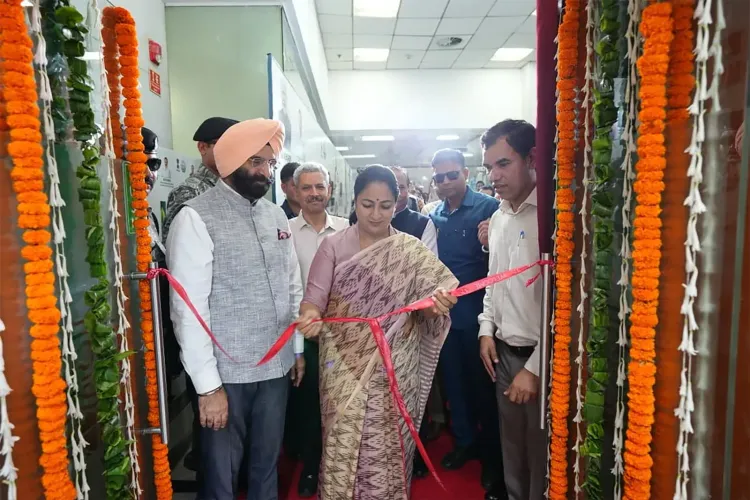
Delhi CM Rekha Gupta inaugurated the Integrated Command and Control Centre (ICCC) at DMRC IT Park on October 1, 2026 .
The ICCC provides real-time air-quality monitoring , pollution hotspot identification, data-driven analysis, and inter-agency coordination from a single platform.
The centre was launched under the BJP government's #SevaSankalpAbhiyan campaign.
Cabinet minister Manjinder Singh Sirsa and MLA Arvinder Singh Lovely attended the inauguration.
The system is intended to operate 365 days, 24×7 , covering all pollution sources year-round.
The launch comes weeks before Delhi's peak winter smog season, when air quality typically deteriorates most sharply.
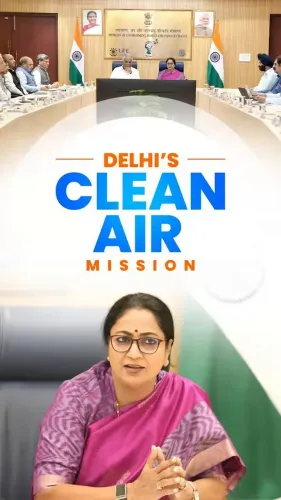
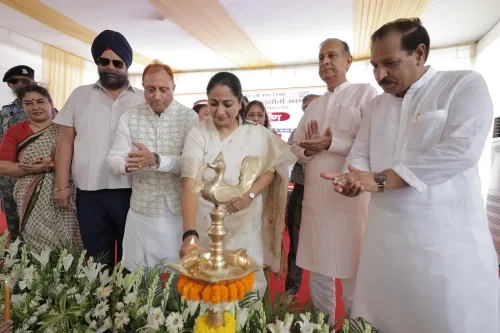
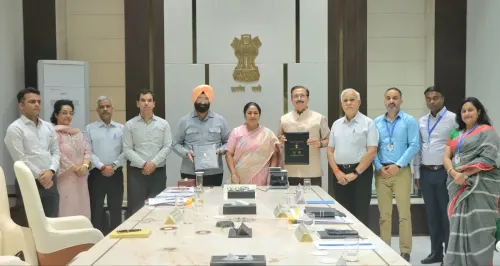
Delhi's war on air pollution just got a nerve centre. Delhi Chief Minister Rekha Gupta on Thursday, October 1, 2026, inaugurated an advanced Integrated Command and Control Centre (ICCC) at the DMRC IT Park, promising that every step from detecting a pollution source to acting on it will now be faster, sharper, and more decisive.
One platform, real-time eyes on every hotspot
The ICCC is designed to collapse the gap between data and action. Through a single unified platform, the centre will deliver real-time monitoring of air-quality readings, pinpoint pollution hotspots across the city, run data-driven analysis, and trigger rapid coordination among all relevant government departments — simultaneously. As Chief Minister Gupta put it, the goal is 'Monitoring se Action tak, kam samay mein behtar samanvay aur prabhavi karrawaee' — from monitoring to action, better coordination and effective response in less time.
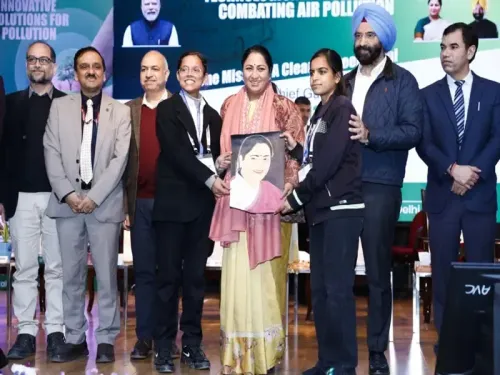
The centre was launched under the #SevaSankalpAbhiyan, the ruling BJP government's ongoing public-service campaign in Delhi. Cabinet colleague Manjinder Singh Sirsa and legislator Arvinder Singh Lovely were among the dignitaries present at the event.
Why Delhi's air quality crisis demands a command room
Delhi consistently ranks among the world's most polluted capitals, with air-quality emergencies recurring every winter as temperature inversions trap vehicular exhaust, industrial emissions, stubble-burning smoke, and construction dust in a toxic blanket over the city. The challenge has always been less about knowing that pollution exists and more about coordinating a rapid, multi-agency response — road-sprinklers, construction-site shutdowns, traffic rerouting, and smog-tower deployment — before conditions spiral. A centralised command-and-control architecture directly addresses that coordination gap.
Chief Minister Gupta framed the initiative in human terms: 'Delhi's clean air is linked to the health of every family and the future of coming generations.' She affirmed her government's commitment to working '365 days, 24×7' against every source of pollution, signalling that the ICCC will operate year-round rather than only during the peak October-to-January smog season.
Data as the new anti-pollution weapon
The ICCC model mirrors command centres deployed in cities like Surat and Indore for urban governance — but applied specifically to environmental enforcement. By aggregating sensor feeds, satellite data, and departmental inputs onto one dashboard, administrators can identify which ward, which stretch of road, or which industrial cluster is breaching limits at any given moment, and dispatch field teams within minutes. The shift from periodic manual surveys to continuous automated hotspot identification represents a structural upgrade in how Delhi's bureaucracy will respond to bad-air days.
With the onset of the high-pollution winter months just weeks away, the timing of the launch is deliberate. Whether the centre can demonstrably cut response times — and, ultimately, cut AQI readings — will be the measure by which Delhi's residents judge it.
Point of View
It lets the BJP-led government move from a posture of blaming neighbouring states for stubble-burning to demonstrating an in-city, in-house enforcement mechanism. The SevaSankalpAbhiyan branding also ties the initiative to a broader campaign narrative of proactive delivery. The real test comes in November and December, when Delhi's AQI will either validate the investment or expose its limits.
NationPress
1 Oct 2026
Frequently Asked Questions
What is the ICCC launched by Delhi CM Rekha Gupta?
The Integrated Command and Control Centre (ICCC) is a technology platform inaugurated at DMRC IT Park on October 1, 2026, that consolidates real-time air-quality monitoring, pollution hotspot identification, data analysis, and coordination among government departments onto a single dashboard to speed up action against pollution sources in Delhi.
Where is the Delhi ICCC pollution centre located?
The ICCC is located at the DMRC IT Park in Delhi.
What is SevaSankalpAbhiyan?
SevaSankalpAbhiyan is a public-service campaign run by the BJP-led Delhi government under Chief Minister Rekha Gupta, under which civic and governance initiatives — including the ICCC launch — are being rolled out.
How will the ICCC help reduce Delhi's air pollution?
By providing continuous, real-time data on pollution levels and sources, the ICCC allows administrators to instantly identify which areas are breaching air-quality limits and coordinate a faster, targeted response — such as deploying sprinklers, halting construction, or redirecting traffic — rather than relying on periodic manual surveys.
Who attended the ICCC inauguration in Delhi?
Cabinet minister Manjinder Singh Sirsa and MLA Arvinder Singh Lovely were among the dignitaries who attended the inauguration alongside Chief Minister Rekha Gupta.