CM Rekha Gupta lays foundation for ₹170 Cr Delhi industrial infra
Synopsis
Delhi Chief Minister Rekha Gupta laid foundation stones for ₹170 crore infrastructure projects across industrial zones on 13 October 2026 under the Seva Sankalp Abhiyan, targeting long-neglected roads, drains, and sewerage to boost ease of doing business and employment in the capital's manufacturing belts.
Key Takeaways
₹170 crore in infrastructure projects launched across Delhi's industrial areas on 13 October 2026 .
Foundation stones laid from Rajasthani Udyog Nagar under the Seva Sankalp Abhiyan .
Projects focus on roads, open drains, and sewerage systems in long-neglected industrial zones.
Cabinet minister Manjinder Singh Sirsa and three MLAs attended, underscoring broad political backing.
CM Gupta linked the investment to Ease of Doing Business goals and job creation for industrial workers and entrepreneurs.
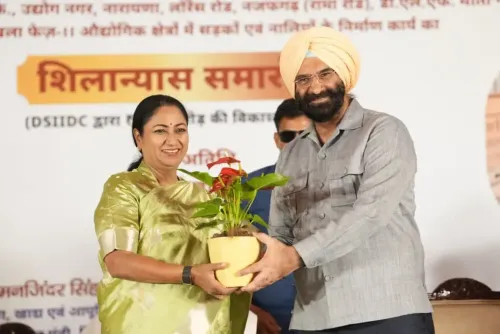
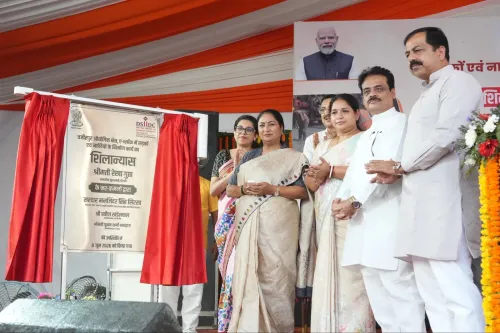
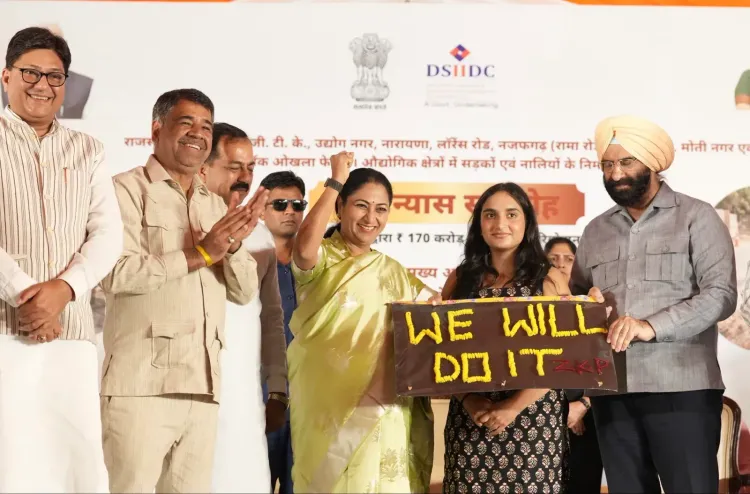
Delhi's long-neglected industrial belts got a concrete commitment on Tuesday, 13 October 2026 — Delhi Chief Minister Rekha Gupta laid the foundation stones for ₹170 crore worth of infrastructure projects spanning multiple industrial zones across the capital, launching the drive from Rajasthani Udyog Nagar under her government's Seva Sankalp Abhiyan.
Roads, drains, and a decade of neglect
The projects are squarely aimed at fixing the basics — roads, drains, and sewerage networks — that industrial areas across Delhi have gone without for years. CM Gupta said her government is 'prioritising essential facilities like roads, drains, and drainage in industrial areas that have remained neglected for a long time, to provide relief to entrepreneurs, workers, and local residents.'
The admission of long-standing neglect is deliberate and pointed. Delhi's small and medium industrial clusters have historically struggled with poor last-mile connectivity and waterlogging, issues that raise operating costs and erode competitiveness for the thousands of small units concentrated in these zones.
What ₹170 crore is meant to unlock
Beyond physical infrastructure, the CM framed the investment as a direct driver of Ease of Doing Business and job creation. Better roads cut logistics friction; functioning drainage prevents seasonal shutdowns from waterlogging — both translate into real productivity gains for small manufacturers and their workers.
Cabinet colleague and BJP leader Manjinder Singh Sirsa, MLAs Raj Kumar Bhatia, Ashok Goel, and Tilak Ram Gupta, along with district president Ajay Khatana, were present at the event, signalling coordinated political attention to the industrial constituencies.
Seva Sankalp Abhiyan as a delivery vehicle
The foundation-laying was conducted under the Seva Sankalp Abhiyan, a campaign framework the BJP-led Delhi government has been using to channel and publicise infrastructure commitments across constituencies. The choice to route industrial upgrades through this campaign ties grassroots political outreach directly to capital-expenditure announcements — a structure that keeps delivery accountability visible at the ground level.
The real test now is execution: tendering timelines, contractor mobilisation, and whether the announced projects translate into completed infrastructure before the next political cycle. Delhi's industrial workers and entrepreneurs have heard promises before. The ₹170 crore is on the clock.
Point of View
Rolled out with a full complement of elected representatives to maximise constituency credit. What makes this round politically significant is the explicit acknowledgement of 'long neglect', a direct swipe at the preceding AAP administration's tenure over Delhi's industrial zones. The Seva Sankalp Abhiyan framework also allows the party to accumulate a visible delivery scorecard heading into future electoral cycles. The harder question is whether ground-level execution matches the headline number — Delhi's industrial small-and-medium enterprises have a long institutional memory of announced projects that stalled in tendering.
NationPress
14 Oct 2026
Frequently Asked Questions
What is the Seva Sankalp Abhiyan in Delhi?
Seva Sankalp Abhiyan is a campaign framework used by the BJP-led Delhi government to channel infrastructure and public-welfare commitments across constituencies, linking political outreach directly to capital-expenditure announcements.
Where did CM Rekha Gupta launch the ₹170 crore industrial projects?
The foundation-laying ceremony was held at Rajasthani Udyog Nagar , with the projects intended to cover multiple industrial zones across Delhi.
What kind of infrastructure will the ₹170 crore fund in Delhi's industrial areas?
The investment targets essential civic infrastructure — roads, open drains, and sewerage networks — in industrial areas that have faced years of neglect.
Who attended the Seva Sankalp Abhiyan event with Rekha Gupta on 13 October 2026?
Cabinet colleague Manjinder Singh Sirsa , MLAs Raj Kumar Bhatia , Ashok Goel , and Tilak Ram Gupta , along with district president Ajay Khatana , were present at the event.
How will the Delhi industrial infrastructure projects help workers and entrepreneurs?
Better roads reduce logistics friction and operating costs for small manufacturing units, while functional drainage prevents seasonal waterlogging shutdowns — both directly benefiting industrial workers, entrepreneurs, and local residents.