CM Rekha Gupta Pays Tribute to Ghadar Hero Kartar Singh Sarabha
Synopsis
Delhi Chief Minister Rekha Gupta marked the birth anniversary of Ghadar Movement martyr Kartar Singh Sarabha on 24 May 2026, honouring the 19-year-old revolutionary executed by British authorities in 1915 and calling his supreme sacrifice an inspiration for every generation of Indians.
Key Takeaways
Delhi CM Rekha Gupta paid tribute to Kartar Singh Sarabha on his birth anniversary on 24 May 2026 .
Sarabha was born in 1896 and executed by British authorities in 1915 at age 19 .
He was a key member of the Ghadar Party , founded in 1913 in San Francisco by Indian expatriates.
CM Gupta described his sacrifice as an enduring source of inspiration for every generation of Indians.
BJP leaders consistently mark anniversaries of Ghadar Movement figures as part of a broader commemorative emphasis on armed nationalist heroes.
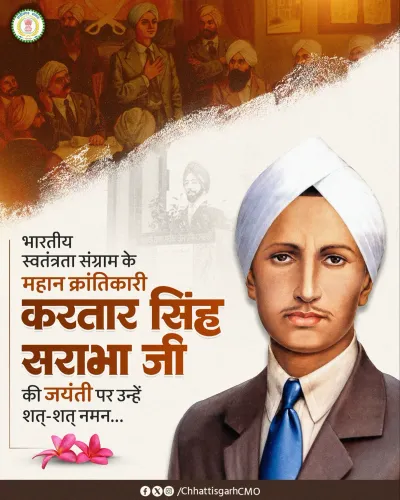
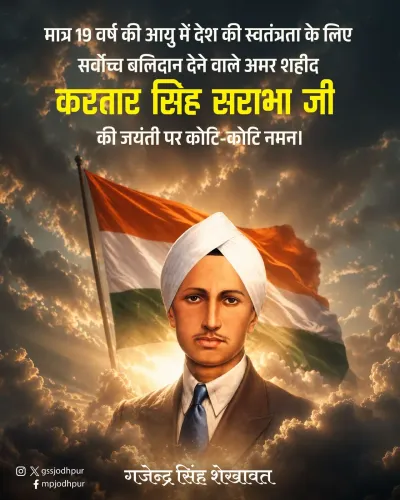
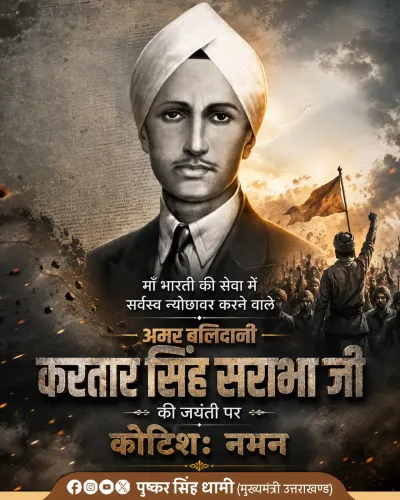
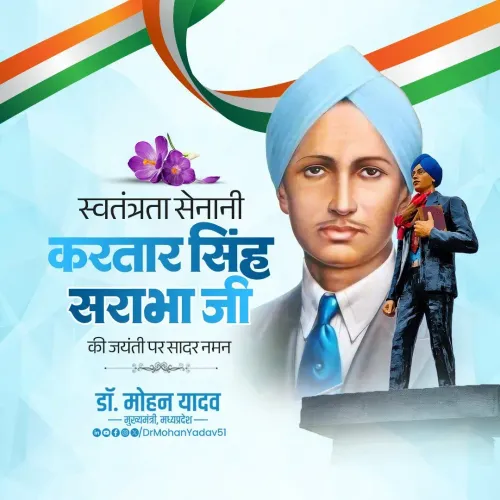
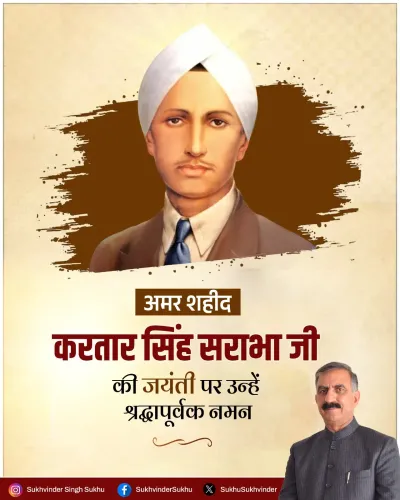
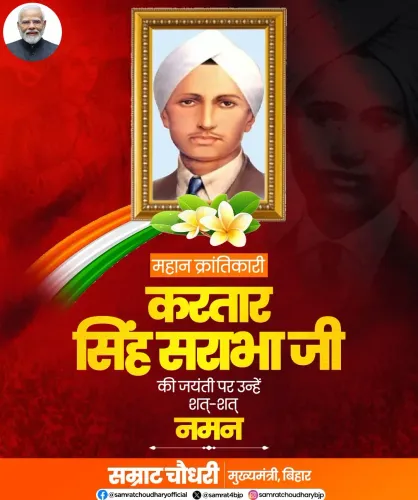
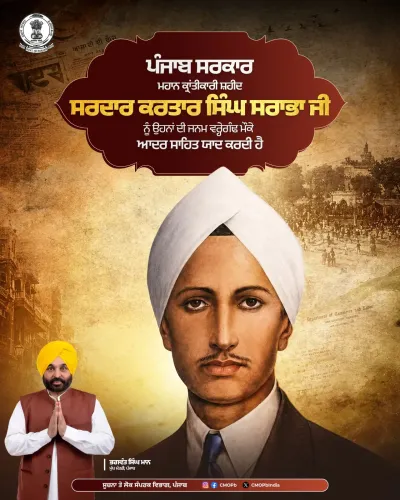
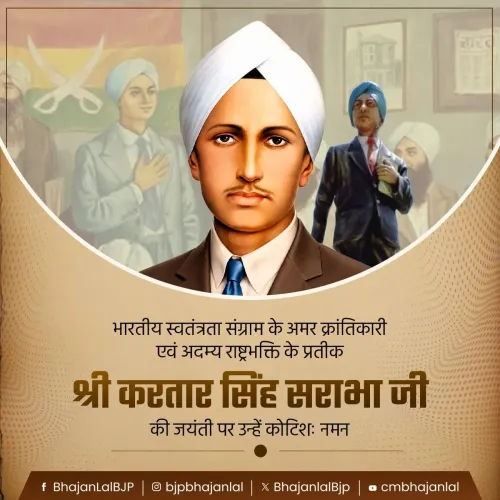
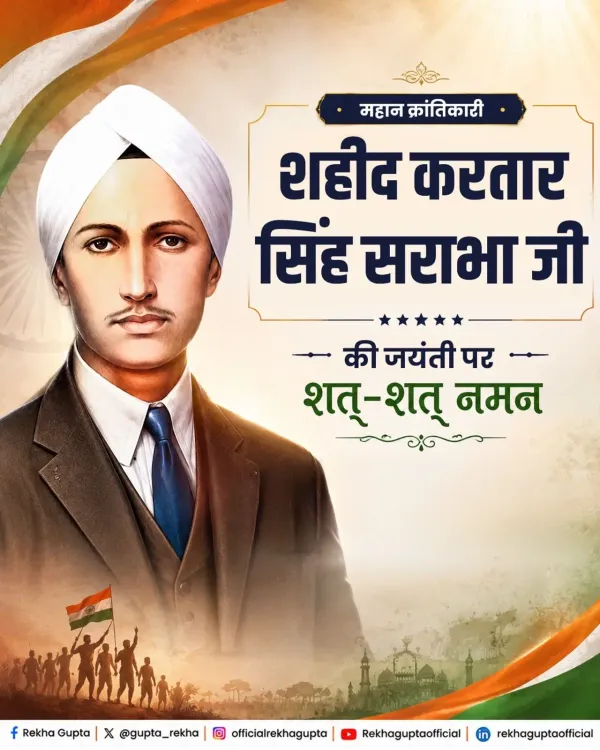
Delhi Chief Minister Rekha Gupta on Sunday, 24 May 2026, paid tribute to Kartar Singh Sarabha, the young revolutionary of the Ghadar Movement, on his birth anniversary, honouring his sacrifice for India's freedom from British rule.
In her post, CM Gupta wrote: 'गदर आंदोलन के महानायक और अप्रतिम वीरता के प्रतीक शहीद करतार सिंह सराभा जी की जयंती पर उन्हें कोटि-कोटि नमन' — 'Heartfelt salutations to Shaheed Kartar Singh Sarabha, the great hero of the Ghadar Movement and symbol of unparalleled valour, on his birth anniversary.' She described his supreme sacrifice at a young age for the freedom of Mother India as an enduring source of inspiration for every generation.
Context
Kartar Singh Sarabha was born in 1896 in the village of Sarabha in present-day Punjab. He travelled to North America as a teenager and joined the Ghadar Party, founded in 1913 at the first Indian Independence Conference in San Francisco. Returning to India to organise an armed uprising against British colonial rule, he was arrested and executed by British authorities in 1915 at the age of just 19.
His execution made him one of the youngest martyrs of India's independence struggle. Bhagat Singh, himself a towering revolutionary figure, is said to have kept a photograph of Sarabha as a personal inspiration — a detail that underscores Sarabha's stature among later generations of freedom fighters.
Policy Backdrop
BJP leaders at central and state levels have consistently marked the birth and death anniversaries of Ghadar Movement revolutionaries and other armed nationalists through social media statements and public commemorations. These tributes form part of a broader effort to integrate pre-1947 revolutionary figures — those who operated outside the Congress-led mainstream independence movement — into official commemorative calendars.
Such messaging reflects a longer-term political emphasis on sacrifice narratives that celebrate armed resistance to colonial rule alongside the more widely commemorated non-violent movement. Delhi and Punjab have both seen proposals in recent years to name public institutions after Ghadar heroes, though the pace of implementation has varied.
Stakeholders and Impact
The tribute is directed primarily at Indian youth and patriotic citizens, with CM Gupta explicitly noting that Sarabha's life and sacrifice will 'always inspire us to dedicate everything to the nation.' Punjab, where Sarabha's legacy is especially strong, has a significant stake in how the Ghadar Movement is commemorated at the national level.
For Delhi's school curriculum and cultural programming, such anniversaries can translate into civic events, essay competitions, or integration into history syllabi — areas where state governments hold direct influence.
What's Next
Observers will watch whether Delhi government departments follow up with state-level events, curriculum references, or institutional naming proposals linked to Sarabha or the broader Ghadar Movement. With Independence Day on 15 August and Bhagat Singh's martyrdom day on 23 March serving as recurring flashpoints for such commemorations, CM Gupta's tribute signals that revolutionary-era figures will remain central to Delhi BJP's public communication calendar.
Point of View
Broadening the party's historical ownership of the nationalist narrative. By spotlighting a Ghadar Movement hero with deep roots in Punjab, the Delhi CM also signals political outreach to Punjabi communities in the capital. The emphasis on youth sacrifice — Sarabha was just 19 when executed — carries a clear motivational message aimed at younger voters. Whether this rhetoric translates into concrete policy steps such as curriculum changes or memorials will be the real test of its depth.
NationPress
22 Sept 2026
Frequently Asked Questions
Who was Kartar Singh Sarabha?
Kartar Singh Sarabha was a young Indian revolutionary born in 1896 who joined the Ghadar Party in North America and was executed by British colonial authorities in 1915 at the age of 19 for his role in organising an armed uprising against British rule in India.
What was the Ghadar Movement?
The Ghadar Movement was a revolutionary campaign launched in 1913 by Indian expatriates in the United States and Canada with the aim of ending British rule in India through armed uprising. The Ghadar Party was founded at the first Indian Independence Conference in San Francisco .
Why did Delhi CM Rekha Gupta pay tribute to Kartar Singh Sarabha?
Delhi CM Rekha Gupta paid tribute on 24 May 2026 to mark Kartar Singh Sarabha 's birth anniversary, calling his sacrifice for India's freedom an inspiration for every generation.
How old was Kartar Singh Sarabha when he was executed?
Kartar Singh Sarabha was 19 years old when he was executed by British authorities in 1915 , making him one of the youngest martyrs of India's independence struggle.
Why do BJP leaders frequently tribute Ghadar Movement figures?
BJP leaders at central and state levels consistently mark the anniversaries of Ghadar Movement revolutionaries as part of a broader effort to integrate armed nationalist heroes into official commemorative calendars, extending the party's historical narrative beyond the Congress-led mainstream independence movement.