CM Revanth: Musi Riverfront Works, Metro Push Soon
Synopsis
CM Revanth Reddy announced the imminent launch of Musi Riverfront works, a metro extension, and one lakh Indiramma houses in Hyderabad, while invoking Maulana Azad's legacy to push skill-first education reform and 4% minority reservations at a National Education Day event.
Key Takeaways
Musi Riverfront Development works will begin shortly, with a night economy zone planned to generate youth employment along the river.
CM Revanth Reddy framed Hyderabad's Old City restoration as reviving the 'Original City', targeting domestic and international tourism.
Metro extension from Gowlidooda to Chandrayangutta is set to begin within the next two months.
Miralam Tank is to be redeveloped as a landmark public space within one year.
One lakh Indiramma houses will be constructed in Hyderabad for the urban poor.
Telangana has implemented 4% reservations for minorities following Sachar Committee recommendations, and has set up a Skills University and Young India Sports University.
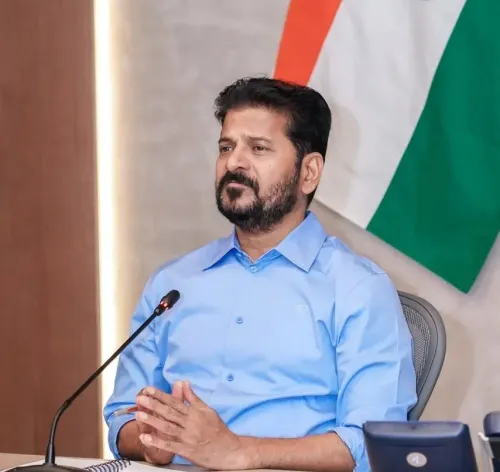
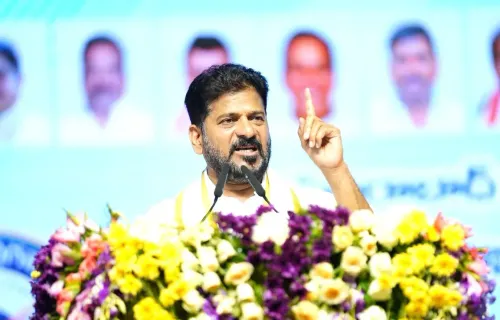
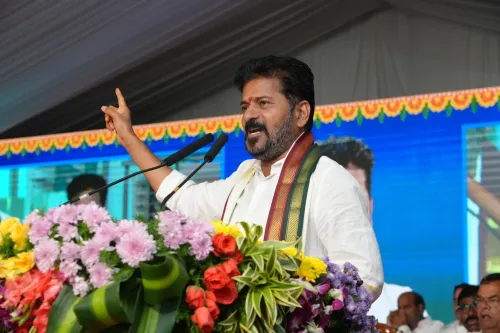
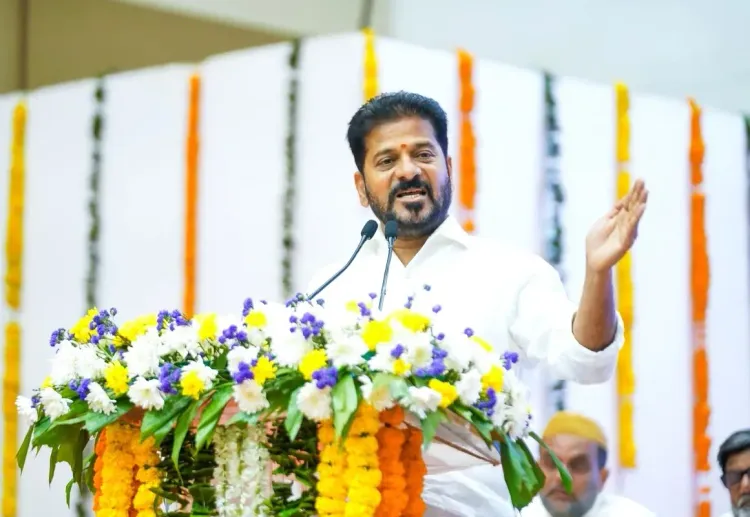
Hyderabad's most iconic waterway is about to get a dramatic second act. Chief Minister Revanth Reddy, speaking at the National Education Day and Minority Welfare Day event organised by Telangana's Minority Welfare Department at Banjara Bhavan, Hyderabad, on Wednesday, November 11, 2026, announced that work on the Musi Riverfront Development project will begin shortly — and that it will anchor a new night economy along the river's banks, generating employment for local youth.
Musi as Hyderabad's next economic engine
The Chief Minister was unambiguous about the scale of ambition: the Musi Riverfront will be developed into one of the most beautiful riverfronts in the country, with night-economy activities — dining, commerce, tourism, entertainment — extended along its length. His framing was pointed: 'Not the Old City — we are restoring the Original City,' he said, invoking Hyderabad's pre-decline grandeur. The project, he argued, will draw visitors from across India and abroad and contribute to both state and national economic growth.
Alongside the riverfront, the Chief Minister announced that metro rail extension works from Gowlidooda to Chandrayangutta will begin within the next two months, and that Miralam Tank will be transformed into a landmark public space within a year. He also committed to building one lakh Indiramma houses in Hyderabad for the urban poor — a number that underlines the scale of the accompanying social infrastructure push.
Maulana Azad's legacy and the education reform thread
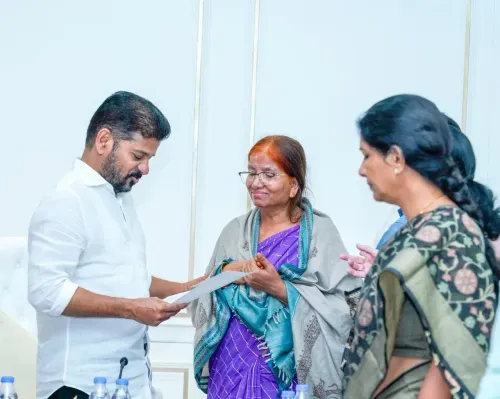
The occasion was the birth anniversary of Maulana Abul Kalam Azad, India's first Education Minister, who, working alongside Prime Minister Nehru in the years after independence, laid the foundations for the country's premier educational institutions, including the Indian Institutes of Technology. The Chief Minister paid floral tribute to Azad's portrait before addressing the gathering.
Revanth Reddy used the platform to draw a direct line from Azad's legacy to Telangana's current education reforms. In a rapidly changing global economy, he said, education alone is insufficient — skills are the new currency. To that end, the state has converted Industrial Training Institutes (ITIs) into Advanced Training Centres (ATCs), and has established a Skills University and a Young India Sports University to channel talent that might not thrive in a purely academic pathway. His message to families was direct: educate your children well; for those not drawn to academics, teach them skills or steer them towards sport.
Minority welfare at the centre of the development pitch
The event's dual character — education day and minority welfare day — gave the Chief Minister space to make an explicit equity argument. Minorities constitute 15 per cent of India's population, he noted, and the country cannot advance unless they do too. Pointing to the Sachar Committee recommendations of 2006, which documented the socio-economic backwardness of Muslim communities and called for targeted interventions, he said the state has implemented 4 per cent reservations for minorities in line with those recommendations.
The gathering included Ministers Azharuddin and Ponguleti, government advisers Mohd Ali Shabbir and V. Hanumantha Rao, Members of Parliament, the TGMREIS Vice Chairman and President Faheem Qureshi, and a range of corporation chairpersons and minority community leaders.
Hyderabad's riverbanks have waited a long time for this moment — but with metro tracks, housing colonies, and night-bazaars now promised in the same breath, the city's next chapter may finally have a construction date.
Point of View
CM Revanth Reddy is attempting to consolidate minority support while projecting a growth-first image for the state. The metro extension and housing commitments add an infrastructure deliverable to what could otherwise read as aspirational politics. Whether these timelines hold will be the real test of the administration's credibility heading into the mid-term stretch of its term.
NationPress
11 Nov 2026
Frequently Asked Questions
When will Musi Riverfront development work start in Hyderabad?
CM Revanth Reddy announced on November 11, 2026 that Musi Riverfront works will begin shortly, though a specific calendar date was not given.
What is the night economy plan for Musi Riverfront?
The Telangana government plans to develop night economy activities — including commerce, dining, and entertainment — along the Musi Riverfront to create employment opportunities for local youth.
What is the Gowlidooda to Chandrayangutta metro extension?
CM Revanth Reddy announced that metro rail extension works between Gowlidooda and Chandrayangutta in Hyderabad will begin within the next two months.
What are the Sachar Committee recommendations and how do they relate to Telangana's 4% minority reservations?
The Sachar Committee, formed in 2006, documented socio-economic backwardness among Muslim communities and recommended targeted measures. Telangana has implemented 4% reservations for minorities in line with those recommendations.
What did CM Revanth Reddy say about Maulana Abul Kalam Azad on National Education Day 2026?
CM Revanth Reddy recalled that Maulana Azad, as India's first Education Minister, laid the foundations for the IITs and shaped national education policy in the post-independence era, and paid floral tribute to him at the Hyderabad event.