Telangana Reveals Ambitious First Phase Plan for Musi Riverfront Project
Synopsis
Hyderabad's Musi Riverfront Development Project aims to transform a 55-km stretch into an economic powerhouse, with a focus on sustainability and heritage tourism. Chief Minister A. Revanth Reddy emphasizes the importance of progress amidst environmental concerns.
Key Takeaways
Musi Riverfront Project aims to transform a 55-km stretch into an economic powerhouse.
First phase covers 21 km with a budget of Rs 6,500 to Rs 7,000 crore .
Focus on cleaning the river and ensuring no sewage flows into it.
Includes public spaces, mobility, and sustainable development.
Involves consultations with experts for development plans.
Hyderabad, March 13 (NationPress) On Friday, the Musi Riverfront Development Corporation Limited (MRDCL) revealed the detailed plan for the inaugural phase of the Musi Riverfront Development Project. This initiative aims to transform the 55-kilometer stretch into an economic hub, akin to the rivers found in renowned cities such as Seoul, Tokyo, Paris, and London.
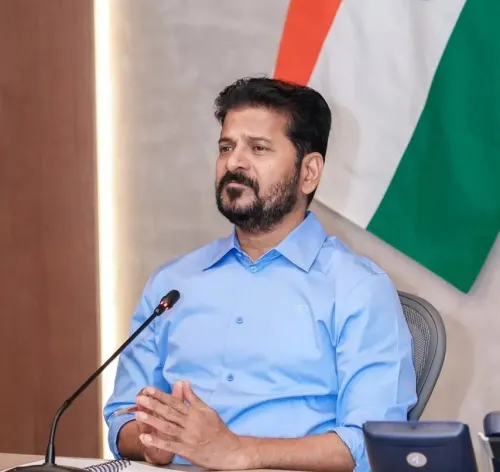
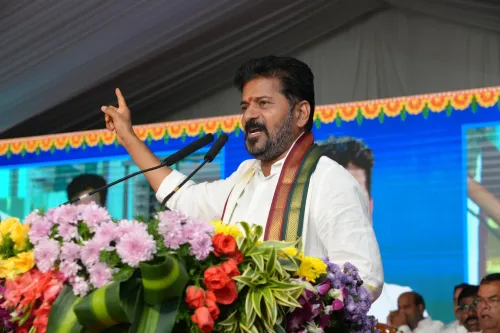
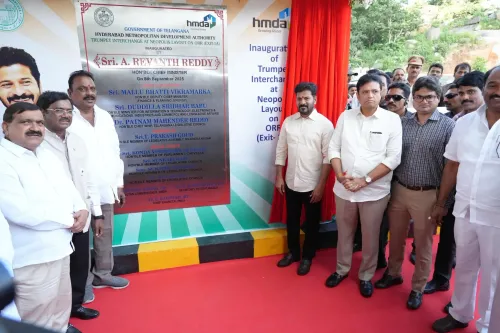
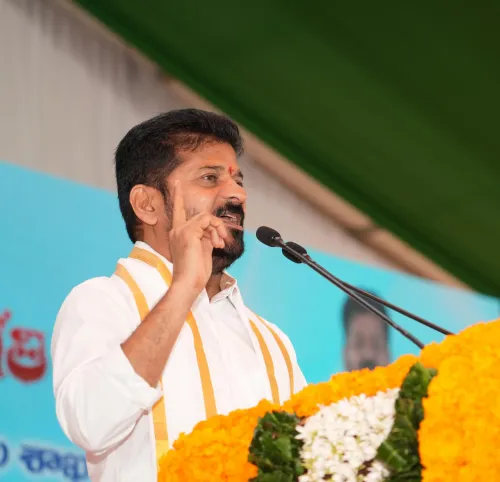
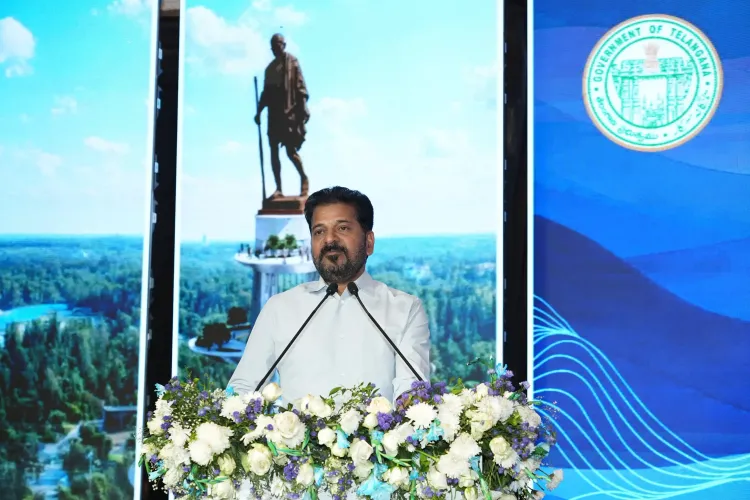
During an event named 'Musi invites,' attended by Telangana's Chief Minister A. Revanth Reddy, the first phase will focus on a 21-kilometer area with an estimated development budget ranging from Rs 6,500 to Rs 7,000 crore.
The project is set to include various essential elements such as river cleaning, ensuring no sewage contaminates the water, flood management, public recreational areas, improved mobility, urban integration, sustainable development, heritage tourism, and designated zones to stimulate a 24/7 economy.
This project will feature a blue master plan, green master plan, land use master plan, marquee projects, infrastructure master plan, and financial master plans.
Out of the 20 TMC of water to be sourced from the Godavari River linkage project, 2.5 TMC will be allocated for the rejuvenation of the Musi River, while the remaining 17.5 TMC will serve as drinking water for Hyderabad.
The first phase encompasses two river stretches, Esa and Musa, converging at Gandhi Sarovar or Bapu Ghat, which is historically significant as the site where Mahatma Gandhi's ashes were immersed in 1948.
The Gandhi Sarovar project will feature a statue of peace, a handloom training center, an education and knowledge hub, public recreation areas, a meditation and wellness village, and a national museum.
In his address, the Chief Minister expressed concerns over misinformation being circulated about the Musi rejuvenation project, which is causing undue panic among the public.
Chief Minister Revanth Reddy emphasized that human civilization has historically thrived around rivers, cautioning that neglecting progress could lead to future generations holding the state government accountable.
He mentioned that extensive consultations with experts and intellectuals have been conducted to gather feedback on the development plan.
Stressing that halting development is not a viable solution, he invited critics to provide constructive feedback if they identified any flaws.
He highlighted the increasing pollution in the Musi River, noting the environmental degradation that has adversely affected regions like Nalgonda district.
Although the river originates in Rangareddy district, it becomes severely polluted by the time it reaches Hyderabad.
The Chief Minister asserted that the project is not merely focused on cleaning the river; it is also about safeguarding the city’s culture, history, and environment.
Addressing detractors who claim that bulldozers are encroaching upon Musi's catchment areas, he clarified that the state government is merely enforcing laws established by the Centre.
He challenged opponents of the project to live in the polluted Musi basin for three months, even offering container housing with full amenities, to experience the conditions firsthand.
He questioned the rationale behind obstructing development, asking if the impoverished should not benefit from proper infrastructure, job opportunities, tourism growth, and the advantages of a night economy.
Point of View
It also faces criticism regarding environmental impacts and misinformation. It's crucial for stakeholders to engage in constructive dialogue to ensure the project's success for future generations.
NationPress
27 Sept 2026
Frequently Asked Questions
What is the Musi Riverfront Development Project?
The Musi Riverfront Development Project is an initiative aimed at transforming a 55-km stretch of the Musi River into an economic hub, focusing on sustainability, heritage tourism, and urban integration.
What is the estimated cost of the first phase?
The estimated cost for the first phase of the project is between Rs 6,500 to Rs 7,000 crore.
How will the project address pollution in the Musi River?
The project includes measures for cleaning the river and ensuring that no sewage flows into it, along with flood mitigation strategies.
What components are included in the project?
The project will feature public spaces, mobility improvements, urban integration, heritage tourism, and zones to promote a 24/7 economy.
Who is responsible for the project?
The Musi Riverfront Development Corporation Limited (MRDCL) is responsible for implementing the project, with input from various experts and stakeholders.