Maharashtra's Budget Sets Vision for Urban Growth and Metro Expansion
Synopsis
The Maharashtra Budget 2026-27 unveils a bold vision for urban governance with a target of 70% urban population by 2047, along with extensive Metro and expressway expansions.
Key Takeaways
Maharashtra's urban population projected at 70% by 2047.
Metro network expansion to 1,200 km.
No New Slum Framework to redevelop 2 million tenements.
Vadhavan Port expected to create over 1.2 million jobs.
Integration of technology in city management with AI.
Long-term goal of 6-7 million affordable housing units.
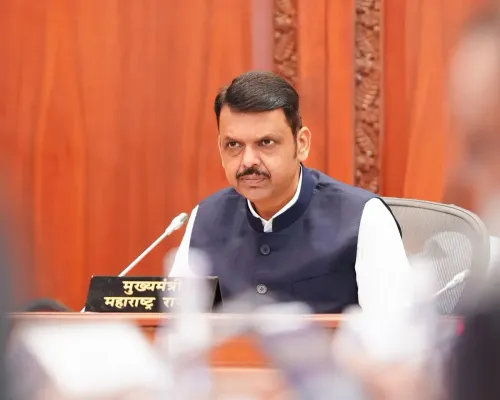
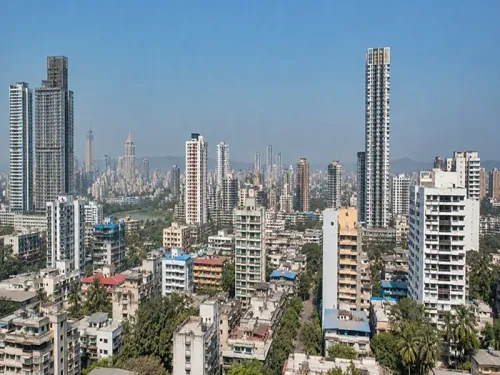
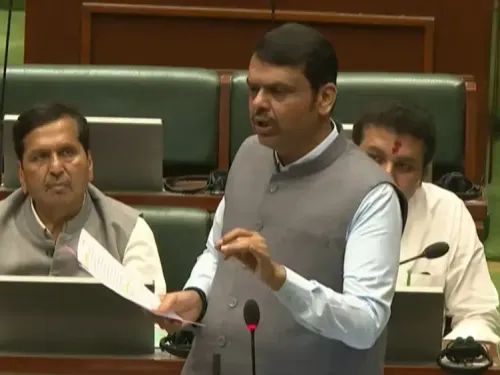
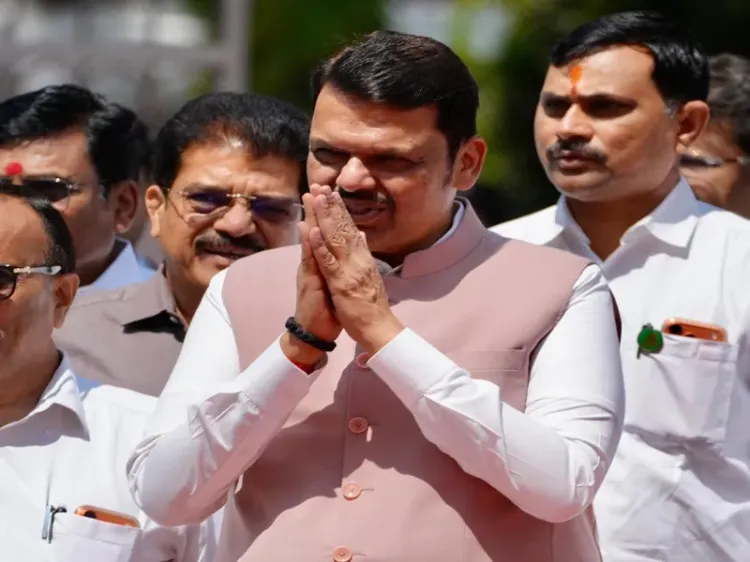
Mumbai, March 6 (NationPress) The Maharashtra State Budget for 2026-27, presented by Chief Minister Devendra Fadnavis, marks a significant transformation in urban management. It is estimated that by 2047, 70% of the state’s population will inhabit urban locales, contributing nearly 80% of Maharashtra’s GDP.
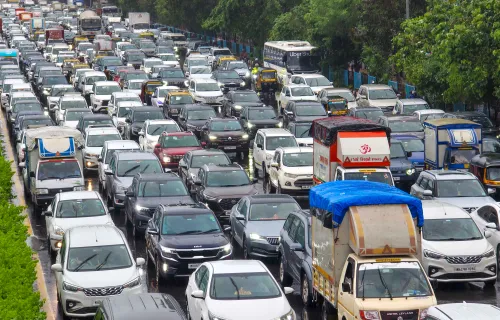
The government has set an ambitious goal to extend the Metro network to 1,200 km and to develop the expressway system to over 6,000 km. Notable projects in Mumbai include Metro Line 11 (connecting Wadala to Gateway of India), a fully underground corridor projected to cost Rs 23,487 crore.
Furthermore, the administration is planning to develop a “Third Mumbai,” a 200 sq km urban area linked to the Atal Setu, incorporating regions like Kushmanda and Sai-Chirner, alongside the development of Vadhavan Port and Mumbai 4 in the neighboring vicinity. The Vadhavan Port initiative is anticipated to generate more than 1.2 million jobs.
In terms of housing, the government aims to introduce a “No New Slum Framework,” targeting the redevelopment of 2 million slum tenements and the construction of 1 million affordable homes in the Mumbai Metropolitan Region.
To facilitate the impending urban growth, the Chief Minister announced a suite of governance reforms. He unveiled plans to create empowered regional development authorities, moving away from centralized municipal governance towards more than 10 regional development entities. These will draw inspiration from the Mumbai Metropolitan Region Development Authority (MMRDA) but will possess enhanced fiscal and administrative powers.
In addition to major urban hubs like Mumbai, Pune, and Nagpur, new authorities will be set up for regions such as Nashik, Chhatrapati Sambhajinagar, and the Solapur-Latur corridor. The government envisions these areas as “City Economic Regions” instead of just administrative divisions.
The budget also endorses the establishment of over 20 autonomous industrial and mixed-use townships, featuring streamlined land-use regulations, to expedite housing and business development. The vision for a “Viksit Maharashtra” positions technology at the forefront of city management to enhance living standards.
After a successful pilot in the energy sector, the state will implement AI-driven “Digital Twins” for major cities, enabling real-time simulation and management of traffic, water supply, and disaster preparedness.
Moreover, the administration has proposed the integration of Artificial Intelligence and Machine Learning into the Auto DCR (Development Control Regulations) application to facilitate quicker and automated evaluations of building proposals and compliance verifications.
The state aspires to achieve a long-term target of constructing 6 to 7 million affordable housing units by 2047, offering substantial incentives for the cluster redevelopment of aging layouts. It has also suggested high-speed connectivity to link urban centers through a 6,000 km-plus expressway network and high-speed rail lines, aiming to convert Maharashtra into a “seamless multimodal hub.”
Point of View
Focusing on sustainable development and economic growth. The government emphasizes the need for innovative governance structures and infrastructure expansion to accommodate a burgeoning urban population, reflecting a forward-thinking approach to urban challenges.
NationPress
7 Oct 2026
Frequently Asked Questions
What are the key objectives of Maharashtra's 2026-27 Budget?
The budget aims to transform urban governance, expand the Metro network to 1,200 km, and redevelop slum areas while creating affordable housing.
How many jobs will the Vadhavan Port project create?
The Vadhavan Port project is expected to generate over 1.2 million jobs.
What is the significance of the 'No New Slum Framework'?
This framework aims to redevelop 2 million slum tenements and create 1 million affordable housing units in the Mumbai Metropolitan Region.
How will technology be integrated into urban management?
The budget proposes implementing AI-based 'Digital Twins' for real-time management of city infrastructure.
What is the long-term housing target for Maharashtra?
The state aims to build 6 to 7 million affordable housing units by 2047.