CM Rio Hands Over Tractors Under Nagaland Corpus Fund
Synopsis
Nagaland Chief Minister Neiphiu Rio handed over tractors and utility vehicles under the CM's Corpus Fund on 4 July 2026, underscoring the state government's focus on mechanising smallholder agriculture and strengthening rural livelihoods in the Northeast.
Key Takeaways
CM Neiphiu Rio personally oversaw the handover of tractors and utility vehicles to beneficiaries on 4 July 2026 .
The assets were distributed under the CM's Corpus Fund , a Nagaland state-level discretionary welfare fund.
The initiative targets small farmers and rural households who lack access to institutional credit for machinery purchases.
Nagaland 's hilly, fragmented terrain makes mechanised farming tools especially valuable for expanding cultivable area.
The distribution complements broader Northeast India state-government strategies of supplying equipment alongside central agricultural schemes.
Utilisation tracking and maintenance support will be critical to sustaining the programme's impact on farm incomes.
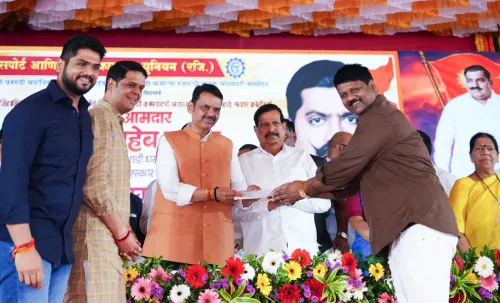
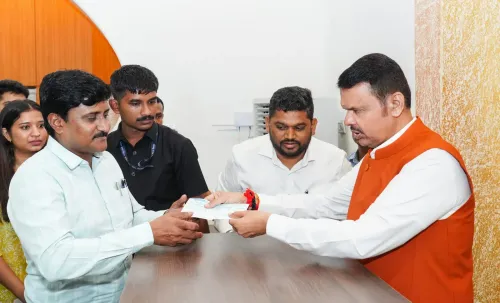
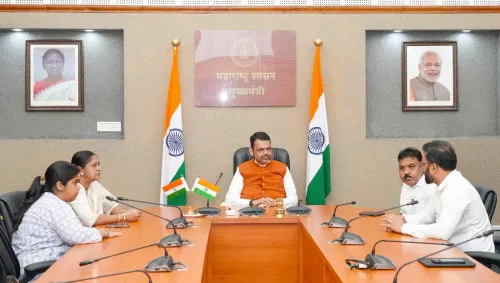
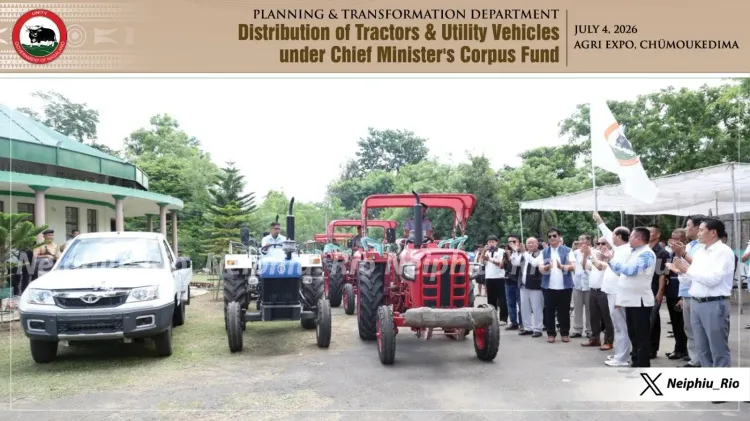
Nagaland Chief Minister Neiphiu Rio on Saturday, 4 July 2026, handed over tractors and utility vehicles to beneficiaries under the CM's Corpus Fund, reaffirming the state government's commitment to boosting rural productivity and strengthening livelihoods across the state.
Sharing the development on social media, Rio wrote: 'Handed over tractors and utility vehicles under the CM's Corpus Fund. The Govt. remains committed to empowering our people with the resources they need to enhance productivity and strengthen livelihoods. I trust these assets will be put to good use and contribute to our State's growth.'
Context
The CM's Corpus Fund is a Nagaland state-level discretionary fund used to procure and distribute productive assets — including agricultural machinery — to rural communities. The handover of tractors and utility vehicles represents a direct infusion of mechanised resources into a state economy characterised by smallholder farming on hilly, fragmented terrain.
Nagaland's agrarian economy faces persistent structural challenges: limited access to institutional credit, seasonal unemployment, and low farm productivity owing to the difficult topography of the Northeast. Asset-transfer programmes such as this are designed to bridge the gap where private investment and formal credit channels fall short.
Policy Backdrop
Successive administrations across India's Northeast have deployed discretionary state funds to supply mechanised equipment to rural households, complementing central government schemes aimed at agricultural modernisation. The underlying rationale is that even a small number of tractors or utility vehicles, shared across a cluster of villages, can significantly reduce manual labour costs and expand the area under cultivation.
Chief Minister Rio, who leads the Nationalist Democratic Progressive Party (NDPP) and has held the chief ministerial post across multiple terms, has consistently prioritised such asset-distribution drives as part of a broader state development agenda. The CM's Corpus Fund has previously been used for similar equipment handovers, forming a recurring strand of the government's rural welfare outreach.
Stakeholders and Impact
The primary beneficiaries are small farmers and rural households in Nagaland who lack the capital to purchase agricultural machinery independently. Access to tractors can reduce dependence on rain-fed manual cultivation, potentially allowing double-cropping or the cultivation of steeper slopes that would otherwise remain fallow.
Utility vehicles distributed alongside tractors serve a dual purpose — enabling the transport of produce to local markets and reducing post-harvest losses, a significant drag on farm incomes in remote hill districts. The combined effect, if the assets are well-maintained and equitably shared, could contribute to incremental improvements in district-level agricultural output and household incomes.
What's Next
Attention will now turn to subsequent rounds of asset distribution under the same fund, and whether the government publishes district-wise data on beneficiaries and utilisation. Monitoring changes in agricultural yields and seasonal employment levels in the recipient areas will be key to assessing the programme's long-term impact.
The government's stated trust that 'these assets will be put to good use' also signals an expectation of accountability from beneficiaries — raising the question of whether a formal utilisation-tracking or maintenance-support mechanism will be put in place to protect the public investment.
Point of View
Tangible welfare optics ahead of or between electoral cycles. For Rio and the NDPP, such asset transfers serve a dual purpose — addressing a genuine structural deficit in Nagaland's agrarian economy while reinforcing the government's direct-delivery credentials with rural voters. The programme's real test lies beyond the handover ceremony: whether maintenance ecosystems and utilisation oversight are built around the equipment will determine if this becomes a durable productivity intervention or a one-time headline. Broader Northeast development discourse is increasingly demanding outcome metrics, not just asset counts.
NationPress
3 Oct 2026
Frequently Asked Questions
What is the CM's Corpus Fund in Nagaland?
The CM's Corpus Fund is a Nagaland state government fund used by the Chief Minister's office to procure and distribute productive assets — such as tractors and agricultural machinery — directly to rural beneficiaries to support livelihoods and farm productivity.
What did CM Neiphiu Rio hand over on 4 July 2026?
Chief Minister Neiphiu Rio handed over tractors and utility vehicles to beneficiaries under the CM's Corpus Fund, aimed at enhancing agricultural productivity and strengthening rural livelihoods in Nagaland.
Who benefits from Nagaland's CM Corpus Fund distributions?
The primary beneficiaries are small farmers and rural households in Nagaland who lack the capital to independently purchase agricultural machinery or utility vehicles.
Why does Nagaland need tractor distribution programmes?
Nagaland has a predominantly agrarian economy with hilly, fragmented landholdings and limited access to formal credit, making it difficult for smallholder farmers to mechanise on their own. State-supplied tractors help reduce manual labour costs and expand cultivable area.
What is the Nationalist Democratic Progressive Party (NDPP)?
The NDPP is a regional political party in Nagaland led by Chief Minister Neiphiu Rio. It has been a key governing force in the state, focusing on development and welfare initiatives for Nagaland's predominantly rural population.