CM Rio Highlights Indian Red Cross Work Across Nagaland
Synopsis
Nagaland Chief Minister Neiphiu Rio has highlighted the Indian Red Cross Society's multifaceted humanitarian work in the state, covering disaster response, blood donation, first-aid training, health awareness, and youth engagement — underscoring the organisation's role in reaching communities beyond official infrastructure.
Key Takeaways
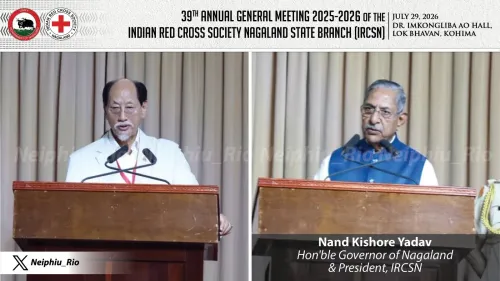
CM Neiphiu Rio publicly acknowledged the Indian Red Cross for its services in Nagaland .
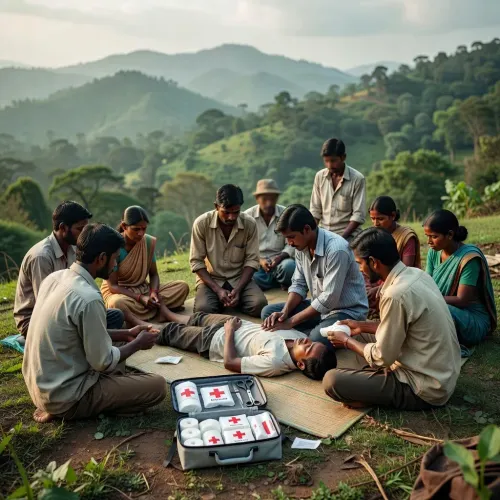
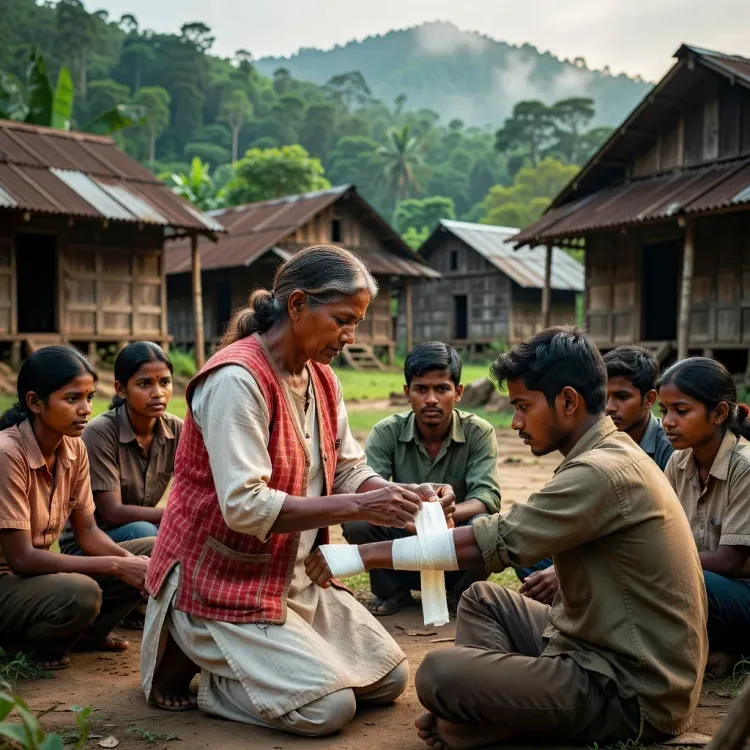
Work cited includes disaster response, voluntary blood donation, first-aid training, health awareness, youth engagement, and humanitarian assistance.
The Indian Red Cross Society is the national affiliate of the International Red Cross movement, operating as an auxiliary to government health and disaster systems.
Nagaland's hilly terrain and vulnerability to floods and landslides make auxiliary organisations critical for last-mile health delivery.
Youth engagement programmes build a community-level responder network with long-term resilience value for the state.
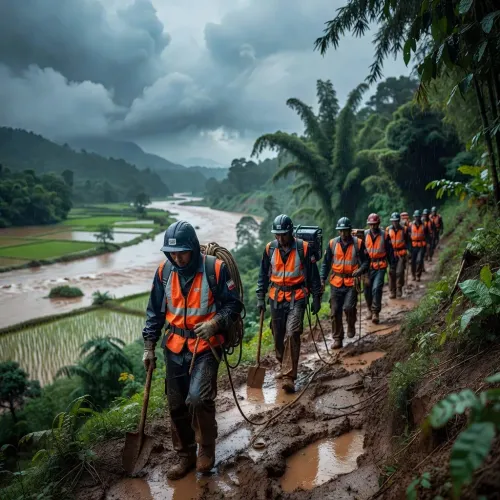
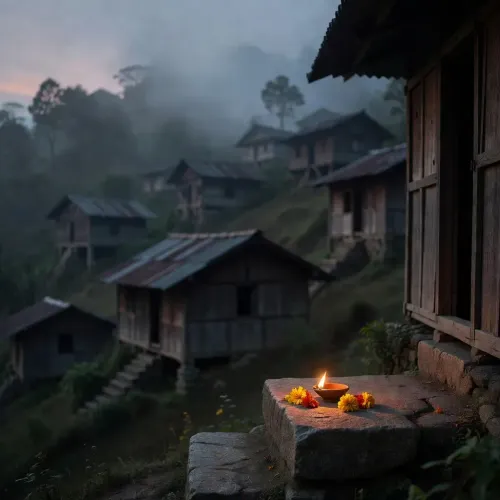
In the hills of Nagaland, where floods wash out roads and clinics sit hours from the nearest town, the Indian Red Cross has been quietly filling the gaps — and Nagaland Chief Minister Neiphiu Rio wants the country to know it.
Replying on X (formerly Twitter), CM Rio credited the Indian Red Cross with delivering services across a wide front: disaster response, voluntary blood donation, first-aid training, health awareness, youth engagement, and humanitarian assistance to vulnerable communities — work he said has 'positively impacted countless lives across the State.'
What the Red Cross Does Where Government Reach Thins Out
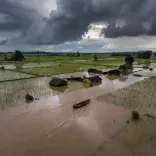
Nagaland's geography makes routine public health delivery genuinely hard. The state's hilly terrain, combined with a history of landslides and flash floods, means official infrastructure often cannot reach the last mile alone. This is precisely where auxiliary organisations like the Indian Red Cross Society — the national affiliate of the International Red Cross movement — step in, running blood donation camps, training community volunteers in first aid, and mobilising rapidly when disaster strikes. Across India's northeastern states, this model of state-government-plus-Red Cross coordination has become a quiet but durable fixture of the public-health architecture. The Indian Red Cross does not replace the state machinery; it extends it into terrain and communities that would otherwise go underserved.Youth Engagement as a Long-Term Bet
CM Rio's specific mention of youth engagement is worth pausing on. Red Cross youth programmes — first-aid certification, disaster-preparedness drills, blood donation awareness — build a generation of community-level responders. In a state like Nagaland, where young people are increasingly urbanising but remain deeply connected to their villages, that grassroots training network carries real resilience value. The Chief Minister's acknowledgement signals that this work is seen not as charity but as a structural part of how the state manages health and disaster risk.Point of View
But it carries a quiet policy signal: the Nagaland government views the Indian Red Cross not as a stopgap but as a structural partner in health and disaster management. For a state perpetually underfunded relative to its geographic challenges, that framing matters — it legitimises continued resource-sharing and coordination between state agencies and the voluntary sector. More broadly, it fits a pattern across India's northeast where state governments increasingly lean on civil-society organisations to extend public-health reach into terrain that official infrastructure cannot efficiently cover. The mention of youth engagement, in particular, hints at a longer-term investment in community resilience rather than purely reactive disaster relief.
NationPress
29 Jul 2026
Frequently Asked Questions
What does the Indian Red Cross do in Nagaland?
The Indian Red Cross Society in Nagaland provides disaster response, voluntary blood donation camps, first-aid training, health awareness drives, youth engagement programmes, and humanitarian assistance to vulnerable communities across the state.
Why is the Indian Red Cross important in northeastern India?
Northeastern states like Nagaland face hilly terrain, frequent floods, and landslides that limit official health infrastructure. The Indian Red Cross supplements government efforts by reaching remote and underserved communities.
What is the Indian Red Cross Society?
The Indian Red Cross Society is India's national affiliate of the International Red Cross and Red Crescent Movement, focused on humanitarian aid, disaster relief, blood services, and public health across the country.
What are Red Cross youth engagement programmes in Nagaland?
Red Cross youth programmes in Nagaland include first-aid certification, disaster-preparedness training, and blood donation awareness — building a network of community-level volunteers and responders.