CM Rio Highlights Nagaland Libraries on National Education Day
Synopsis
On National Education Day 2026, Nagaland CM Neiphiu Rio highlighted the state's public library network managed by the Department of Art and Culture, spotlighting the State Library, Kohima, as a key hub for books, reference materials, and reader services.
Key Takeaways
CM Neiphiu Rio marked National Education Day, 11 November 2026 , by highlighting Nagaland's public library infrastructure.
The Department of Art and Culture, Nagaland manages the state's network of public libraries.
The State Library, Kohima is the principal library providing books, reference materials, and reader services in the state capital.
National Education Day has been observed annually on 11 November since 2005 to mark the birth anniversary of Maulana Abul Kalam Azad .
Nagaland positions library services as a complement to formal schooling, not a standalone infrastructure project.
On National Education Day, 11 November 2026, Nagaland Chief Minister Neiphiu Rio turned the spotlight on the state's public library network, drawing attention to the quiet but steady role that reading infrastructure plays in building an educated citizenry in one of India's northeastern frontier states.
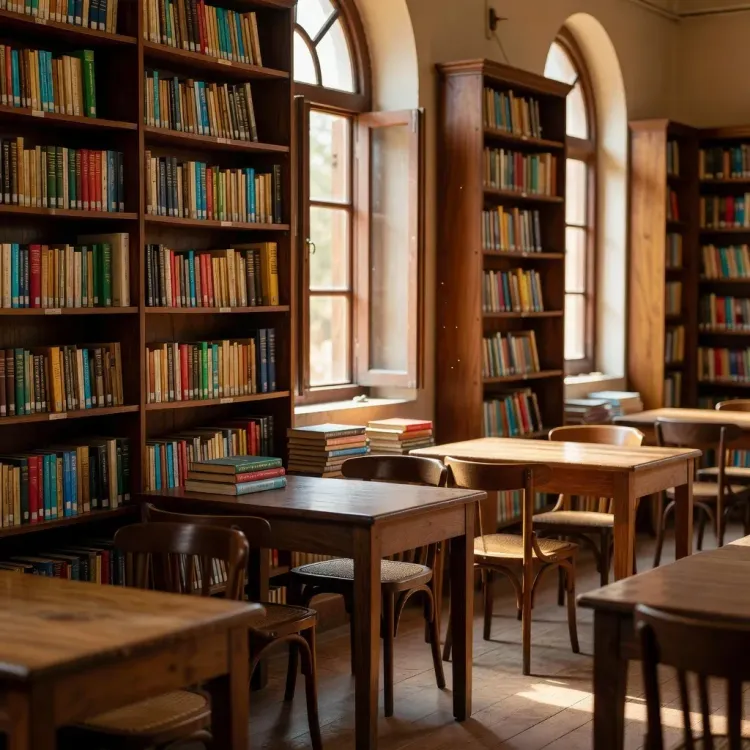
Posting on the occasion, CM Rio noted that the Department of Art and Culture, Nagaland runs an extensive network of public libraries across the state, with the State Library, Kohima anchoring these efforts as the principal repository of books, reference materials, and reader services in the state capital.
What National Education Day marks — and why Nagaland is observing it
National Education Day has been observed every 11 November since 2005, commemorating the birth anniversary of Maulana Abul Kalam Azad — independent India's first Education Minister and a towering figure in the country's early efforts to build a literate republic. The day is a prompt for state governments to take stock of where their education ecosystems stand.
For Nagaland, that stocktaking points squarely at libraries. The state has positioned its Art and Culture department not merely as a custodian of heritage, but as a live conduit for knowledge access — a strategy that complements formal schooling rather than waiting for it to do all the heavy lifting.
Libraries as literacy infrastructure in Nagaland
Nagaland's approach mirrors a broader pattern across northeastern states: treat public libraries as a parallel, community-level pillar of learning, particularly in areas where school infrastructure can be stretched thin. The State Library in Kohima serves students, researchers, and general readers, offering physical collections and reference services that extend beyond the classroom.
The Art and Culture department's stewardship of this network — rather than the Education department alone — signals a view of literacy as a cultural investment, not just a government metric. It is a distinction worth noting as policymakers across India debate how to operationalise the National Education Policy 2020's emphasis on lifelong learning and mother-tongue-based foundational literacy.
On a day dedicated to remembering what visionary education leadership looks like, Nagaland's Chief Minister chose to highlight not a new scheme or a funding announcement — but an institution already in the community's hands. That, in itself, is the message.
Point of View
CM Rio signals a governance philosophy that values sustaining existing community assets alongside building new ones. This sits within a broader northeastern strategy of using culture departments as literacy vehicles — a soft-power approach that could gain sharper relevance as states begin aligning with the lifelong-learning architecture of the National Education Policy 2020. The absence of any digitisation announcement, however, leaves open a question that is fast becoming unavoidable: how long can physical-only library infrastructure hold the line in a state with a young, mobile population?
NationPress
11 Nov 2026
Frequently Asked Questions
What is National Education Day and when is it observed?
National Education Day is observed every year on 11 November to commemorate the birth anniversary of Maulana Abul Kalam Azad , India's first Education Minister. It has been marked annually since 2005 .
What is the State Library Kohima?
The State Library, Kohima is the principal public library in Nagaland's capital city, offering a collection of books, reference materials, and reader services to students and the general public.
Which department manages Nagaland's public libraries?
The Department of Art and Culture, Nagaland manages the state's network of public libraries, positioning them as part of its broader cultural and literacy mandate.
Why did CM Neiphiu Rio post about libraries on National Education Day?
CM Neiphiu Rio used National Education Day to highlight the state's existing library infrastructure under the Art and Culture department, drawing attention to ongoing efforts to promote literacy and knowledge access across Nagaland.
How does Nagaland's library network relate to school education?
Nagaland positions its public library network as complementary to formal schooling — an accessible, community-level resource for lifelong learning rather than a replacement for classroom education.