CM Rio Marks World Music Day, Celebrates Nagaland Folk Heritage
Synopsis
Nagaland Chief Minister Neiphiu Rio marked World Music Day on 21 June 2026 by honouring the state's tribal folk melodies and their power to connect communities. His message underscores Nagaland's long-standing cultural diplomacy, anchored by the annual Hornbill Festival, as the state continues to leverage indigenous music for heritage preservation and tourism.
Key Takeaways
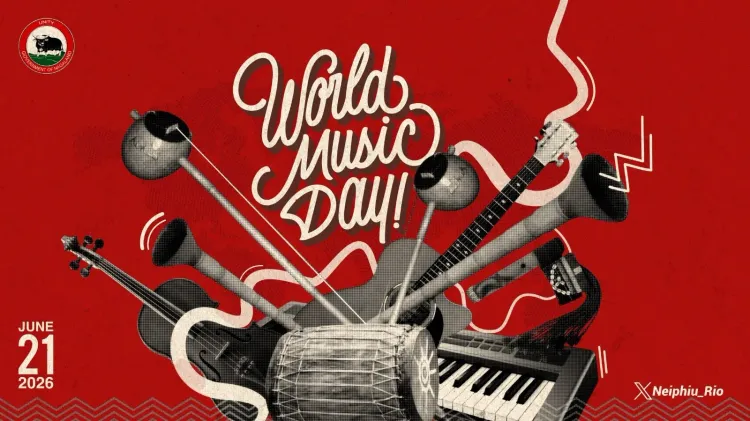
CM Neiphiu Rio posted a World Music Day tribute on 21 June 2026 , highlighting Nagaland's folk and contemporary music traditions.
Nagaland is home to 16 major tribes , each with distinct musical traditions including vocal chants, log drums, and bamboo instruments.
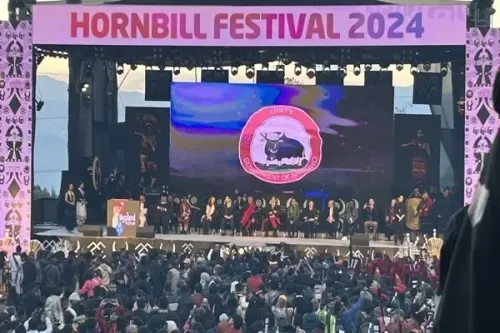
The Hornbill Festival , launched in 2000 , is the state's primary annual platform for showcasing indigenous tribal music to domestic and international audiences.
Successive Nagaland administrations have linked music preservation to tourism revenue and inter-tribal harmony as part of a broader cultural policy.
The December 2026 Hornbill Festival is the next key event where new cultural policy directions may be announced.
Nagaland Chief Minister Neiphiu Rio on Sunday, 21 June 2026 marked World Music Day by highlighting the state's rich musical traditions, from ancient tribal folk melodies to contemporary expressions that continue to unite communities across the region.
Context
Posting on X, Chief Minister Rio wrote: 'From folk melodies passed down through generations to contemporary expressions that bring people together today, music is an integral part of life in Nagaland.' He added that the occasion is a moment to 'celebrate music's power to inspire stories, emotions and memories, and to connect people worldwide.'
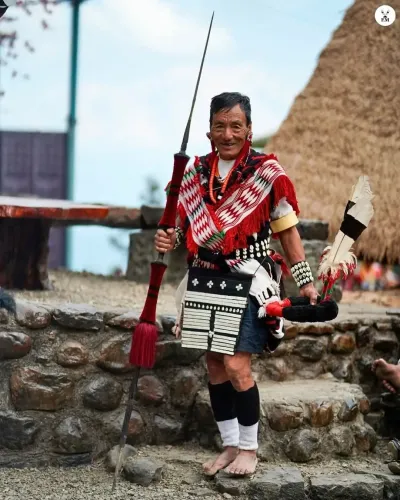
World Music Day, observed annually on 21 June, is an international event that promotes musical creation and broad access to music. Nagaland's diverse tribal fabric makes the observance particularly resonant in the state, which is home to 16 major tribes, each carrying distinct vocal and instrumental traditions.
Policy Backdrop
The Nagaland state government has actively promoted indigenous cultural heritage since 2000, when it launched the Hornbill Festival — the state's flagship annual cultural event held every December in Kisama Heritage Village near Kohima. The festival serves as the primary platform for showcasing tribal music, including log-drum performances, vocal chants, and bamboo instrument ensembles, drawing both domestic and international visitors.
Successive administrations, including Chief Minister Rio's current tenure under the Nationalist Democratic Progressive Party (NDPP), have consistently framed music preservation as integral to tourism revenue generation and inter-tribal harmony. This approach aligns with a broader pattern across Northeast India, where state governments leverage living folk traditions as markers of ethnic identity and instruments of soft power.
Stakeholders and Impact
Indigenous musicians and folk performers across Nagaland's tribal communities stand at the centre of this cultural narrative. Their traditions — ranging from the tati vocal styles of the Ao Nagas to the log-drum rhythms common across multiple tribes — represent a living heritage that the state has sought to both preserve and commercialise through structured platforms.
The cultural tourism sector also has a direct stake in such messaging. Positioning Nagaland as a destination defined by musical authenticity supports inbound tourism, particularly in the run-up to the annual Hornbill Festival. CM Rio's post reinforces this identity at a moment of global attention on music, amplifying the state's cultural brand on an international occasion.
What's Next
The December 2026 edition of the Hornbill Festival will be the next major test of the state's cultural commitments, with observers watching for any new music showcases, artist support schemes, or policy announcements on indigenous heritage preservation. CM Rio's World Music Day message sets a tone that could foreshadow stronger institutional backing for tribal music in the months ahead, as Nagaland continues to position its cultural assets within national integration and economic development narratives.
Point of View
' he signals a dual strategy: preserving indigenous authenticity while positioning the state's culture as dynamic and globally relevant. This messaging pattern is consistent with how Northeast Indian states use global observances to assert soft power and attract tourism investment. With the Hornbill Festival approaching in December 2026, the post may also be read as early groundwork for renewed state-level cultural programming.
NationPress
21 Jun 2026
Frequently Asked Questions
What did Nagaland CM Neiphiu Rio say on World Music Day 2026?
CM Neiphiu Rio posted on X on 21 June 2026 that music is 'an integral part of life in Nagaland,' celebrating its power to inspire stories, emotions, and memories, and to connect people worldwide.
What is World Music Day and when is it celebrated?
World Music Day is an international observance held annually on 21 June to promote musical creation and access to music for people around the world.
What are Nagaland's major musical traditions?
Nagaland's 16 major tribes each carry distinct musical traditions, including vocal chants, log-drum performances, and bamboo instrument ensembles that have been passed down through generations.
What is the Hornbill Festival and how is it related to Nagaland's music?
The Hornbill Festival is Nagaland's flagship annual cultural event, held every December since 2000, and serves as the primary platform for showcasing the state's indigenous tribal music to domestic and international visitors.
How does Nagaland promote its indigenous music heritage?
The Nagaland state government has promoted indigenous music through the Hornbill Festival since 2000, framing cultural preservation as central to tourism revenue and inter-tribal harmony.