CM Rio reaffirms Nagaland govt's commitment to disaster preparedness
Synopsis
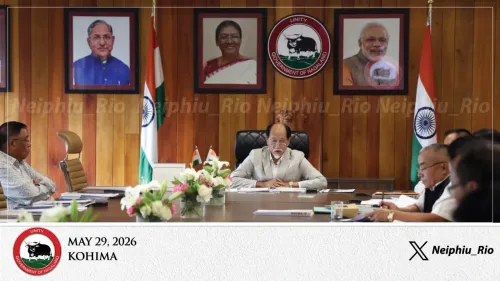
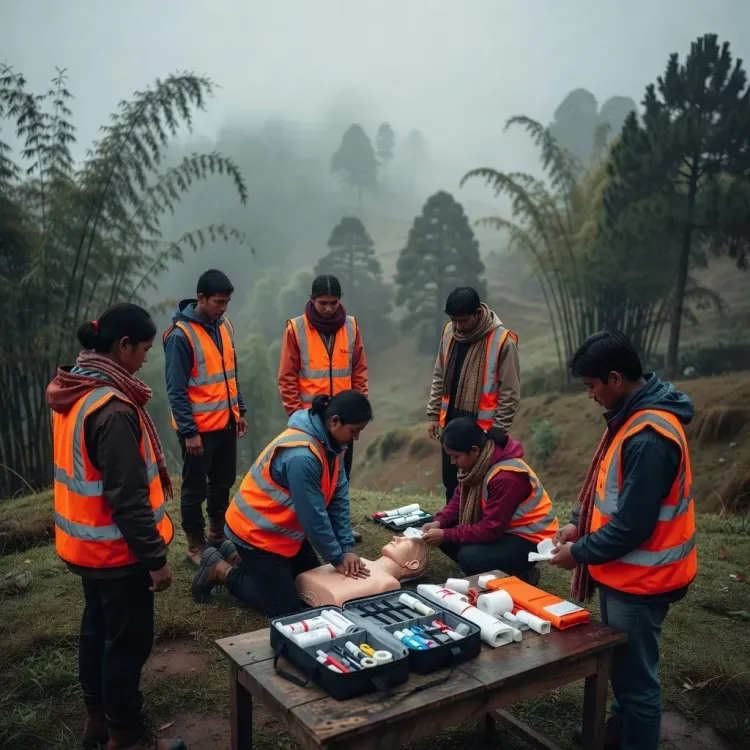
Chief Minister Neiphiu Rio on 29 July 2026 reaffirmed Nagaland's government commitment to disaster preparedness, voluntary blood donation, first aid education, and youth volunteer empowerment, framing them as a unified response to the state's emerging challenges.
Key Takeaways
CM Neiphiu Rio publicly reaffirmed the Nagaland government's commitment to disaster preparedness on 29 July 2026 .
The statement bundles disaster response, voluntary blood donation, first aid education, and youth volunteer empowerment into a single resilience agenda.
Nagaland's hill terrain and monsoon exposure make community-level preparedness operationally critical beyond standard policy frameworks.
Empowering youth volunteers is highlighted as a specific priority, pointing to training and institutional recognition for local volunteer corps.
The Disaster Management Act, 2005 provides the national legal framework within which state-level commitments like this operate.
Nagaland's rugged terrain and monsoon-season hazards demand more than policy on paper — and on Wednesday, 29 July 2026, Chief Minister Neiphiu Rio signalled that his government intends to keep community resilience at the centre of its governance agenda.
Replying to All India Radio Kohima, Rio stated that the government 'remains fully committed to supporting initiatives that strengthen disaster preparedness, promote voluntary blood donation, expand first aid education, empower youth volunteers, and enhance community resilience' — framing these not as isolated programmes but as a coordinated response to what he called 'emerging challenges' facing the state.
Why Nagaland's geography makes this more than a routine pledge
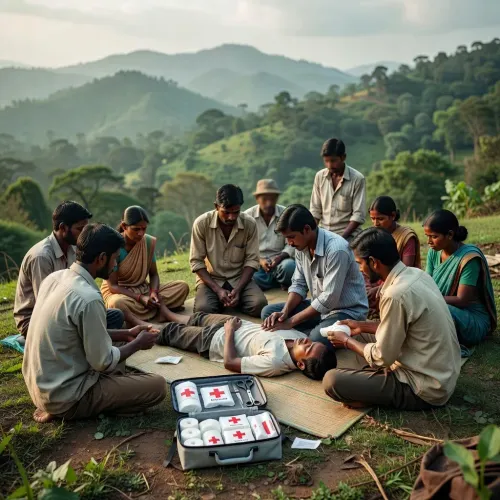
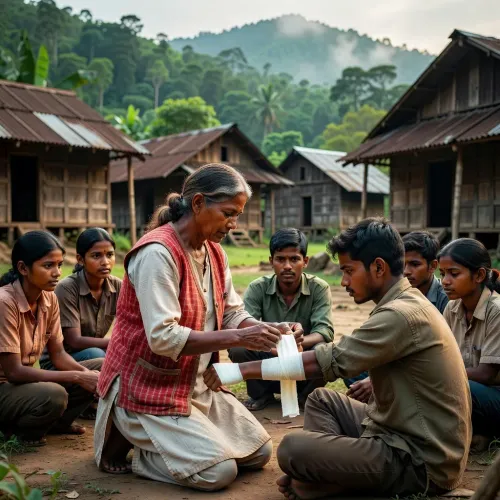
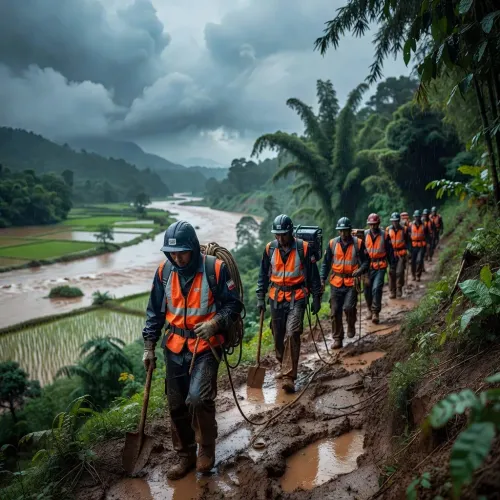
Nagaland sits in one of India's most topographically vulnerable zones. Steep hill districts, seasonal flooding, and recurring landslides have historically exposed communities to rapid-onset disasters where institutional response alone is rarely enough. The Disaster Management Act, 2005 created the national legal scaffold — state disaster management authorities, local preparedness mandates — but the practical load in terrain like Nagaland's has always fallen on community networks and volunteer corps. Successive Nagaland governments have paired disaster risk reduction with public-health measures: blood donation camps and first-aid training have long been embedded alongside flood-response drills, recognising that the same volunteer infrastructure serves multiple emergencies. Rio's statement continues that pattern, bundling health and disaster pillars into a single resilience frame.Youth volunteers as the load-bearing layer
The explicit mention of 'empowering youth volunteers' is the sharpest operational signal in the post. In northeastern states, youth bodies — tribal student unions, village-level volunteer groups — have historically been the first responders in areas where road connectivity collapses after a landslide. A government commitment to 'empower' that layer, rather than simply deploy it, points toward training investment and institutional recognition rather than ad hoc mobilisation. What that looks like in budget terms — whether through NDMA-coordinated training calendars or state allocations in the coming fiscal year — remains the concrete test of the pledge.Point of View
And Rio is aligning Nagaland publicly with that arc. The real measure will be whether state budget allocations and NDMA coordination calendars follow the rhetoric.
NationPress
29 Jul 2026
Frequently Asked Questions
What did Nagaland CM Neiphiu Rio say about disaster preparedness?
On 29 July 2026, CM Neiphiu Rio stated that the Nagaland government is fully committed to strengthening disaster preparedness, promoting voluntary blood donation, expanding first aid education, empowering youth volunteers, and enhancing community resilience.
Why is disaster preparedness especially important for Nagaland?
Nagaland's steep hill districts and heavy monsoon seasons make it prone to landslides and floods, meaning community-level preparedness and volunteer networks are critical first-response layers where institutional reach is limited.
What is the Disaster Management Act 2005 and how does it apply to Nagaland?
The Disaster Management Act, 2005 is the national law that created state disaster management authorities and mandated community preparedness frameworks across India, providing the legal foundation for programmes like those Rio referenced.
What role do youth volunteers play in Nagaland's disaster response?
Youth volunteer groups, including tribal student organisations, have historically served as first responders in Nagaland's remote hill areas, particularly when road connectivity is disrupted by landslides or floods.
What is the NDPP and who is Neiphiu Rio?
The Nationalist Democratic Progressive Party (NDPP) is a regional political party in Nagaland. Neiphiu Rio is its leader and has served multiple terms as Chief Minister of Nagaland.