CM Manik Saha Distributes PM SVANidhi Benefits in Tripura
Synopsis
Tripura Chief Minister Dr. Manik Saha live-streamed the distribution of PM SVANidhi benefits on 31 May 2026, spotlighting the northeastern state's delivery of the Union government's collateral-free street-vendor loan scheme launched under the Atmanirbhar Bharat package in 2020.
Key Takeaways
Manik Saha broadcast the distribution of PM SVANidhi benefits live on 31 May 2026 .
PM SVANidhi offers collateral-free loans of up to Rs 50,000 to urban street vendors in escalating tranches.
The scheme was launched in June 2020 under the Atmanirbhar Bharat stimulus package to revive vendor livelihoods post-COVID-19.
Tripura has been governed by a BJP -led administration since 2018 and is an active implementer of centrally sponsored welfare schemes.
Disbursements are channelled through urban local bodies under the Ministry of Housing and Urban Affairs .
Future focus will be on third-tranche disbursements and loan repayment rates across Tripura's municipal bodies.
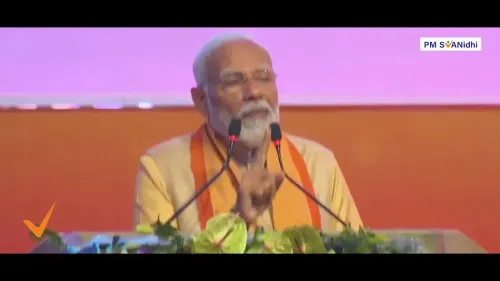
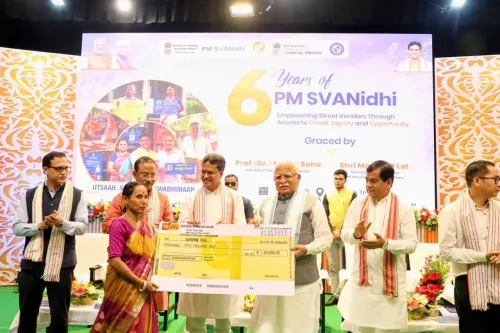
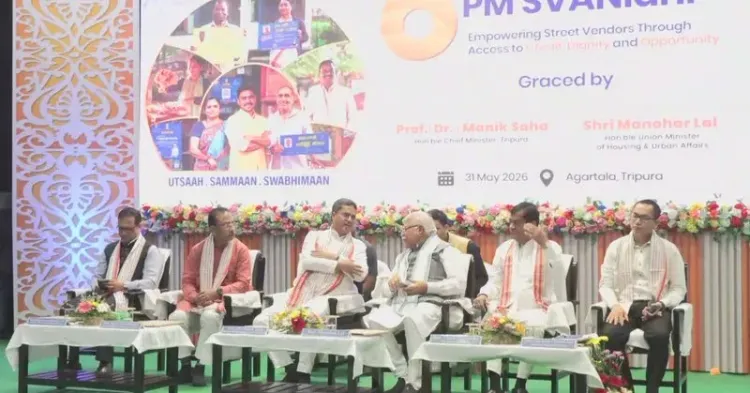
Tripura Chief Minister Dr. Manik Saha on Sunday, 31 May 2026, went live on social media to broadcast the distribution of benefits under the PM SVANidhi Scheme, highlighting the state government's push to extend the Union government's flagship street-vendor credit programme to eligible beneficiaries across Tripura.
Context
The Pradhan Mantri Street Vendor's AtmaNirbhar Nidhi (PM SVANidhi) scheme was launched in June 2020 as part of the Atmanirbhar Bharat stimulus package to restore the livelihoods of street vendors whose incomes were severely disrupted by COVID-19 restrictions. The scheme offers collateral-free working capital loans of up to Rs 50,000 to urban street vendors, disbursed in escalating tranches based on timely repayment. It is administered centrally by the Ministry of Housing and Urban Affairs through urban local bodies.
Chief Minister Dr. Manik Saha, who took office in May 2022, has consistently used public-facing events to underscore Tripura's implementation of Union government welfare programmes. Sunday's live broadcast follows that pattern, placing the state's progress on PM SVANidhi directly before a public audience.
Policy Backdrop
Since its launch, PM SVANidhi has expanded its loan ceiling from an initial Rs 10,000 for first-time borrowers to Rs 20,000 for second-tranche and Rs 50,000 for third-tranche applicants who demonstrate consistent repayment. Beneficiaries are also eligible for an annual interest subsidy of 7 per cent and cashback incentives for digital transactions, making it one of the more layered micro-credit offerings in the informal-sector welfare portfolio.
Tripura, a northeastern state governed by a BJP-led administration since 2018, has been an active implementer of centrally sponsored schemes targeting the urban poor. Benefit-distribution drives of this kind are organised through the state's urban local bodies, which act as the nodal delivery channel for PM SVANidhi disbursements.
Stakeholders and Impact
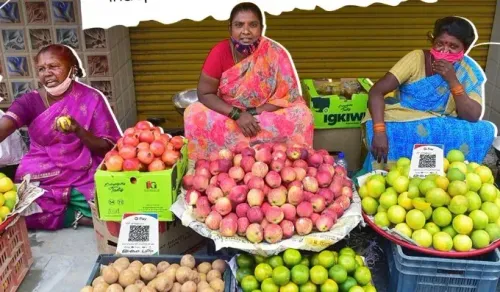
The primary beneficiaries of PM SVANidhi are street vendors — hawkers, thela operators, and small traders who operate without formal credit histories or collateral. For many in Tripura's smaller towns and semi-urban areas, these loans represent their first formal banking relationship, with downstream benefits including credit-score building and access to broader financial products.
Central BJP governments have pursued saturation coverage of such targeted credit schemes across party-governed states, framing them as direct-benefit transfers that bypass intermediaries. Events like Sunday's live distribution serve both a welfare and a political-communication function, demonstrating on-ground delivery of a scheme closely associated with the Union government's Atmanirbhar Bharat narrative.
What's Next
Attention will now turn to state-level progress reports on loan repayment rates and third-tranche disbursements under PM SVANidhi across Tripura's municipal bodies. Sustained repayment performance is the key metric that unlocks higher loan tranches for individual vendors and signals programme health to the Ministry of Housing and Urban Affairs.
As Tripura moves deeper into the scheme's implementation cycle, the focus is likely to shift from first-loan coverage to upgrading existing borrowers to higher tranches — a transition that will test both the state's administrative bandwidth and the financial resilience of its street-vendor community.
Point of View
Compressing the distance between central policy announcements and local beneficiaries. For Dr. Manik Saha, whose administration has leaned heavily on welfare-scheme implementation as a governance credential, the PM SVANidhi event reinforces the party's outreach to the urban informal sector ahead of any future electoral cycle. The broader pattern across BJP-governed northeastern states suggests this is less an isolated event and more part of a coordinated saturation-coverage strategy for Atmanirbhar Bharat-linked programmes. The real test, however, lies in repayment data and third-tranche uptake — metrics that will determine whether the scheme translates into durable financial inclusion or remains a one-time credit injection.
NationPress
14 Oct 2026
Frequently Asked Questions
What is the PM SVANidhi scheme?
PM SVANidhi, or Pradhan Mantri Street Vendor's AtmaNirbhar Nidhi, is a Union government scheme launched in June 2020 that provides collateral-free working capital loans of up to Rs 50,000 to urban street vendors in escalating tranches, along with an interest subsidy and digital-transaction cashback incentives.
Who is distributing PM SVANidhi benefits in Tripura?
Tripura Chief Minister Dr. Manik Saha oversaw and live-streamed the distribution of PM SVANidhi benefits on 31 May 2026, with disbursements channelled through the state's urban local bodies.
How much loan can a street vendor get under PM SVANidhi?
Under PM SVANidhi, street vendors can receive Rs 10,000 in the first tranche, Rs 20,000 in the second, and up to Rs 50,000 in the third tranche, provided they demonstrate timely repayment at each stage.
Which ministry runs the PM SVANidhi scheme?
The PM SVANidhi scheme is administered by the Ministry of Housing and Urban Affairs through urban local bodies across participating states and union territories.
Why is Tripura holding PM SVANidhi distribution events?
Tripura's BJP-led government has been actively implementing centrally sponsored welfare schemes since 2018, and benefit-distribution drives for PM SVANidhi form part of the state's broader effort to achieve saturation coverage among urban street vendors and informal traders.