CM Sai backs BharatNet-3 to connect Chhattisgarh's forest villages
Synopsis
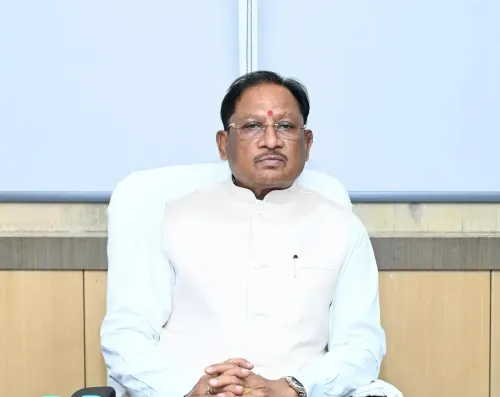
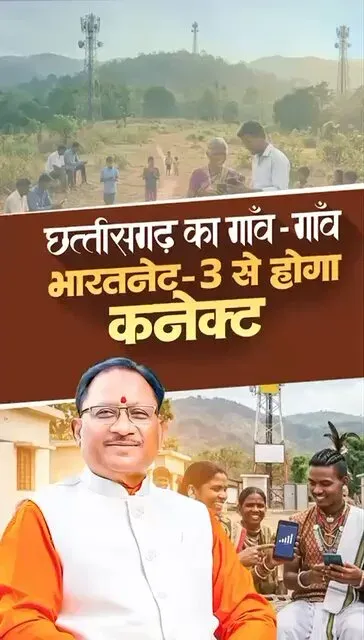
Chhattisgarh CM Vishnu Deo Sai has backed BharatNet-3, saying the Centre's broadband scheme will connect thousands of remote forest-belt villages to mobile networks and high-speed internet, improving governance access and educational opportunities across the state.
Key Takeaways
CM Vishnu Deo Sai publicly endorsed BharatNet-3 on 28 May 2026 , calling it a 'powerful foundation' for digital connectivity in Chhattisgarh.
Thousands of villages in Chhattisgarh's vananchal (forest belt) are targeted for mobile network and high-speed internet access under the scheme.
BharatNet was first approved in October 2011 to connect 2.5 lakh gram panchayats ; Phase 3 targets villages still uncovered after earlier phases.
The 'double-engine government' framing highlights coordination between the BJP -led Union government and the BJP -led state government as a key implementation advantage.
Expected benefits include more accessible government services, greater transparency, and new digital education opportunities for children in remote areas.
Rollout timelines, exact village coverage figures, and integration with state e-governance portals remain the key milestones to watch.
Chhattisgarh Chief Minister Vishnu Deo Sai on Thursday, 28 May 2026, voiced strong support for the Centre's BharatNet-3 scheme, calling it a 'powerful foundation for digital connectivity and new possibilities' in the state. He said thousands of villages in the forested vananchal (forest belt) region would now join the mainstream of Digital India through mobile networks and high-speed internet.
In his post on X, CM Sai wrote: 'The double-engine government's BharatNet-3 scheme will become a strong foundation for digital connectivity and new possibilities in Chhattisgarh. Thousands of villages in the forest belt will now connect to the mainstream of Digital India through mobile networks and fast internet.' He added that the initiative would improve communication in remote areas, make government services more accessible and transparent, and open new opportunities for children to access modern education.
Context
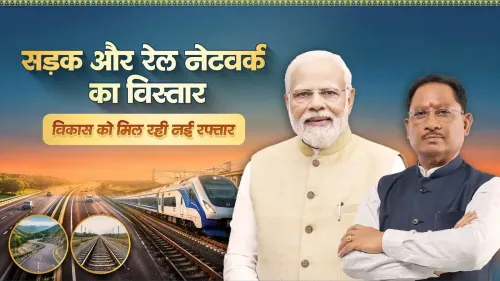
BharatNet is India's national optical fibre broadband project, first approved by the Union Cabinet in October 2011, with the original mandate to connect 2.5 lakh gram panchayats across the country. Phases I and II were executed between 2014 and 2022, extending connectivity to gram panchayats in several states including Chhattisgarh. The third phase, BharatNet-3, is designed to reach villages and habitations not yet covered by earlier phases.
Chhattisgarh is a central Indian state with vast forested and tribal regions. A significant share of its population lives in remote vananchal villages where terrain and low population density have historically made private telecom investment unviable, leaving communities dependent on government-led infrastructure drives.
Policy Backdrop
BharatNet sits under the broader Digital India programme, launched in 2015, which aims to transform India into a digitally empowered society through improved infrastructure, e-governance, and rural internet access. The scheme is centrally funded and implemented in coordination with state governments, making the alignment between the BJP-led Union government and BJP-led state governments — what CM Sai refers to as the 'double-engine government' — a key operational factor in faster rollout.
CM Sai, who took charge as Chief Minister in December 2023, has consistently emphasised development in tribal and rural belts as a priority. His endorsement of BharatNet-3 fits within that stated agenda, linking last-mile connectivity to wider goals of service delivery and educational access.
Stakeholders and Impact
The communities most directly affected are rural villagers and tribal populations in Chhattisgarh's interior districts, where mobile network coverage remains patchy. Reliable internet access would enable residents to use government portals for welfare scheme applications, health information, and land records — services that currently require travel to district headquarters.
School students in remote areas stand to gain access to digital learning resources, bridging an educational gap that widened during the pandemic years. Local entrepreneurs and self-help groups could also benefit from e-commerce and digital payment infrastructure once connectivity improves.
What's Next
Attention will now turn to the operational details of BharatNet-3's rollout in Chhattisgarh — specifically the timeline for works to begin, the number of villages to be covered, and how the new fibre infrastructure will be integrated with the state's e-governance portals and school digital programmes. The pace at which the state government coordinates with the Union's nodal agency will determine whether the connectivity gains translate into the service-delivery improvements CM Sai has outlined. A credible implementation schedule is the next concrete milestone to watch.
Point of View
Publicly tying a centrally funded infrastructure scheme to the 'double-engine government' narrative that the BJP uses to argue that state-Centre political alignment accelerates development delivery. It signals that BharatNet-3 will be positioned as a flagship achievement in Chhattisgarh ahead of future electoral cycles, particularly given the state's large tribal electorate. The emphasis on children's education and transparent governance suggests the messaging is calibrated beyond infrastructure enthusiasts toward a broader welfare audience. How quickly tangible connectivity improvements reach the vananchal will determine whether the political capital invested in this announcement yields lasting returns.
NationPress
14 Oct 2026
Frequently Asked Questions
What is BharatNet-3 and how does it affect Chhattisgarh?
BharatNet-3 is the third phase of India's national optical fibre broadband project, aimed at extending high-speed internet to villages not yet covered by earlier phases. In Chhattisgarh, it is expected to bring mobile network and fast internet access to thousands of remote, forested villages in the vananchal region.
What did Chhattisgarh CM Vishnu Deo Sai say about BharatNet-3?
CM Vishnu Deo Sai said BharatNet-3 will become a 'strong foundation for digital connectivity and new possibilities' in Chhattisgarh, and that thousands of forest-belt villages will join the mainstream of Digital India through mobile networks and high-speed internet.
What is the 'double-engine government' that CM Sai referred to?
'Double-engine government' is a BJP phrase describing the alignment between a BJP-led state government and the BJP-led Union government, implying faster and more coordinated delivery of centrally sponsored schemes such as BharatNet.
Who benefits most from BharatNet-3 in Chhattisgarh?
Rural villagers, tribal communities, school students, and local entrepreneurs in Chhattisgarh's remote interior districts are the primary beneficiaries, gaining access to government services, digital education, and e-commerce infrastructure.
What were the earlier phases of BharatNet?
BharatNet Phases I and II were executed between 2014 and 2022 with the goal of connecting 2.5 lakh gram panchayats across India with optical fibre; Phase 3 targets villages and habitations that remained uncovered after those earlier phases.