CM Sai Pushes Crop Diversification to Tackle Water Crisis
Synopsis
Chhattisgarh Chief Minister Vishnu Deo Sai on 15 June 2026 called on farmers to diversify beyond paddy into pulses and oilseeds, citing falling water tables and the need to raise farm incomes. The state is using schemes and incentives to drive the shift, aligning with national frameworks under RKVY and NFSM.
Key Takeaways
CM Vishnu Deo Sai on 15 June 2026 publicly called for crop diversification away from paddy in Chhattisgarh .
The government is promoting pulses and oilseeds as alternatives to water-intensive paddy cultivation.
Falling groundwater levels are the stated driver behind the push for diversification.
State incentives and schemes are being deployed to motivate farmers toward alternative crops.
The approach aligns with national programmes including RKVY (from 2013-14 ) and the National Food Security Mission (launched 2007 ).
Kharif 2026 sowing data will be the first measurable indicator of whether the policy is gaining traction.
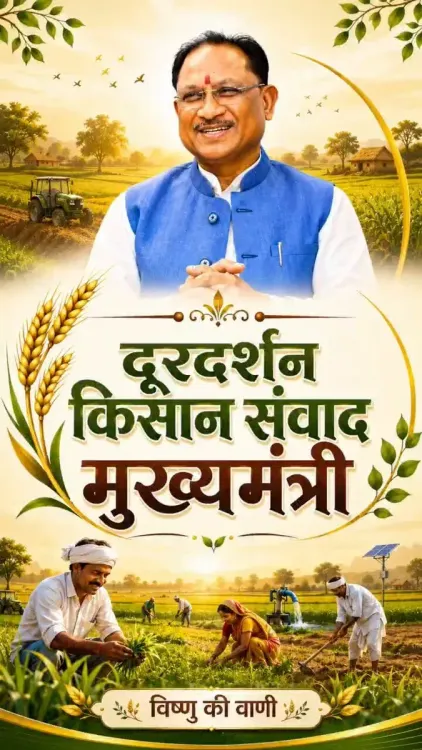
Chhattisgarh Chief Minister Vishnu Deo Sai on Monday, 15 June 2026, called for accelerated crop diversification in the state, urging farmers to move beyond paddy cultivation toward pulses and oilseeds as a twin strategy to raise incomes and conserve groundwater.
Context
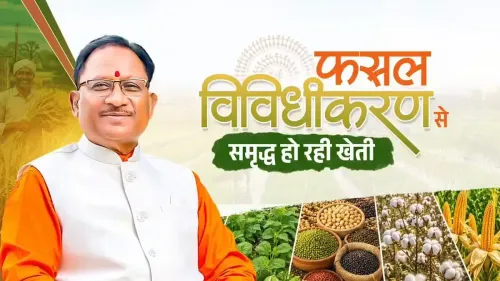
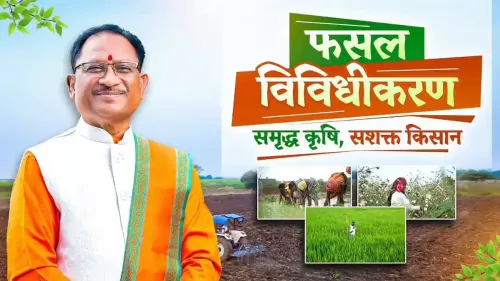
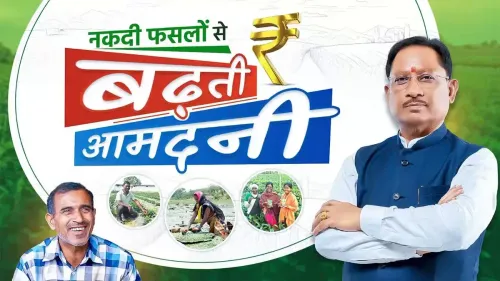
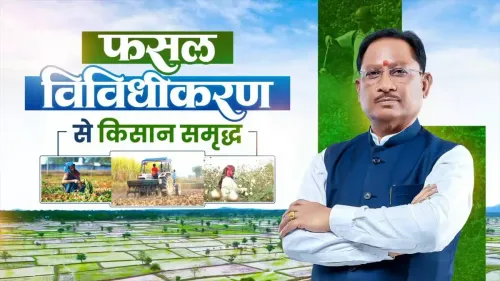
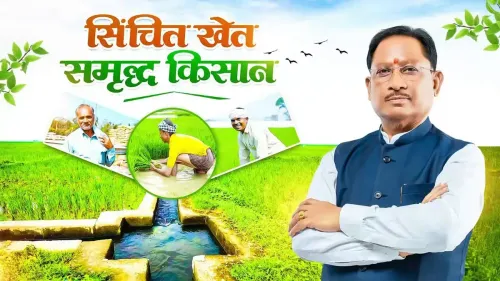
In his post, CM Sai wrote: 'फसल विविधीकरण, धान से आगे, समृद्धि की नई राह' — 'Crop diversification, beyond paddy, a new path to prosperity.' He stated that his government is continuously promoting crop diversification keeping in mind the challenge of falling water tables, and that farmers adopting pulses and oilseeds alongside paddy are both increasing their incomes and making a significant contribution to water conservation.
He added that the government is motivating farmers toward alternative crops through various schemes and incentives so that farming becomes more profitable and aligned with future needs. The post was addressed to @DDChhattisgarh, the state's official Doordarshan channel.
Policy Backdrop
Chhattisgarh is one of central India's largest rice-producing states, but intensive paddy cultivation has placed sustained pressure on the region's groundwater reserves. The shift CM Sai is advocating follows a well-established national framework: the Crop Diversification Programme, introduced under the Rashtriya Krishi Vikas Yojana (RKVY) from 2013-14 onward, was specifically designed to reduce area under water-intensive crops across states like Chhattisgarh.
Earlier, the National Food Security Mission (NFSM), launched in 2007, also included dedicated components to boost pulses and oilseeds output in eastern and central Indian states. Chhattisgarh's current push fits squarely within this lineage of central and state-level interventions aimed at altering cropping patterns for long-term sustainability.
Stakeholders and Impact
The primary beneficiaries of this push are Chhattisgarh's paddy farmers, particularly small and marginal cultivators who are most exposed to both income volatility and the consequences of groundwater depletion. Pulses and oilseeds generally require less water than paddy and can command better market prices, offering a dual advantage to households that diversify.
Across India, similar diversification drives in states such as Punjab and Haryana have demonstrated that financial incentives and assured procurement are critical to convincing farmers to shift away from a staple crop they consider economically safe. Whether Chhattisgarh's scheme design incorporates these lessons will determine uptake at the ground level.
What's Next
The immediate test will come with Kharif 2026 sowing data from the state agriculture department, which will indicate whether the government's incentives are translating into measurable shifts in cropping patterns on the ground. Any fresh budgetary allocations or minimum support price announcements for alternative crops will be closely watched by farmers and agricultural economists alike.
If adoption rates rise, Chhattisgarh could emerge as a model for other paddy-dependent states grappling with the same groundwater stress — reinforcing the Centre's broader push to rebalance India's agricultural water footprint before the crisis deepens.
Point of View
The BJP government is trying to make the shift palatable to a farmer base it cannot afford to alienate. The success of this approach will hinge on whether procurement guarantees and price incentives for pulses and oilseeds are robust enough to offset the perceived security of paddy, a lesson that has tripped up similar drives in other states. If Chhattisgarh can demonstrate measurable Kharif 2026 sowing shifts, it could strengthen the Centre's case for a nationwide agricultural water-use reform.
NationPress
14 Sept 2026
Frequently Asked Questions
Why is Chhattisgarh promoting crop diversification away from paddy?
Chhattisgarh is promoting crop diversification primarily because intensive paddy cultivation has led to a documented decline in groundwater levels across the state. CM Vishnu Deo Sai has stated that shifting to pulses and oilseeds will help conserve water while also raising farmer incomes.
What crops are being promoted as alternatives to paddy in Chhattisgarh?
The Chhattisgarh government is encouraging farmers to cultivate pulses ( dahlhan ) and oilseeds ( tilhan ) as alternatives or complements to paddy. These crops require less water and can offer better returns for small and marginal farmers.
What government schemes support crop diversification in Chhattisgarh?
At the national level, the Crop Diversification Programme under Rashtriya Krishi Vikas Yojana (RKVY), introduced from 2013-14, and the National Food Security Mission (NFSM), launched in 2007, provide frameworks and funding to shift farmers away from water-intensive crops. State-specific incentives are also being deployed, though their precise details are yet to be publicly announced.
How does crop diversification help with water conservation?
Paddy cultivation is highly water-intensive and a major contributor to groundwater depletion in states like Chhattisgarh. Pulses and oilseeds require significantly less irrigation water, so shifting acreage to these crops reduces the overall draw on underground water reserves.
Who benefits from crop diversification in Chhattisgarh?
Small and marginal paddy farmers in Chhattisgarh stand to benefit most. Diversifying into pulses and oilseeds can reduce their dependence on irrigation, lower input costs, and potentially increase household income if market prices and procurement support are adequate.