CM Sai Pushes Tribal Tourism from Bastar to Surguja
Synopsis
On the eve of Janjatiya Gaurav Diwas, Chhattisgarh's CMO positions tribal tourism — through homestays, community circuits, and the Destination Chhattisgarh brand — as CM Vishnu Deo Sai's model for cultural preservation and local economic empowerment across Bastar and Surguja.
Key Takeaways
The Chief Minister's Office of Chhattisgarh posted on 14 November 2026 , framing tribal tourism as a core governance priority under CM Vishnu Deo Sai .
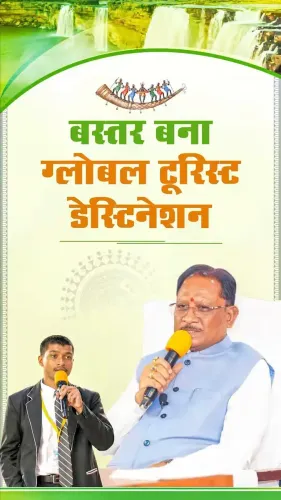
The Destination Chhattisgarh programme, along with homestay and community tourism models, is the state's primary instrument for tribal-region tourism development.
The drive spans the state's geographic extremes — Bastar in the south and Surguja in the north — covering multiple distinct tribal communities.
Employment and self-employment creation for local tribal communities is an explicit stated objective alongside cultural preservation.
The post was timed to coincide with Janjatiya Gaurav Diwas on 15 November , the national observance of tribal heritage tied to Birsa Munda's birth anniversary.
CM Vishnu Deo Sai , himself from the Gondi tribal community, is the first tribal Chief Minister of Chhattisgarh, lending personal resonance to the message.
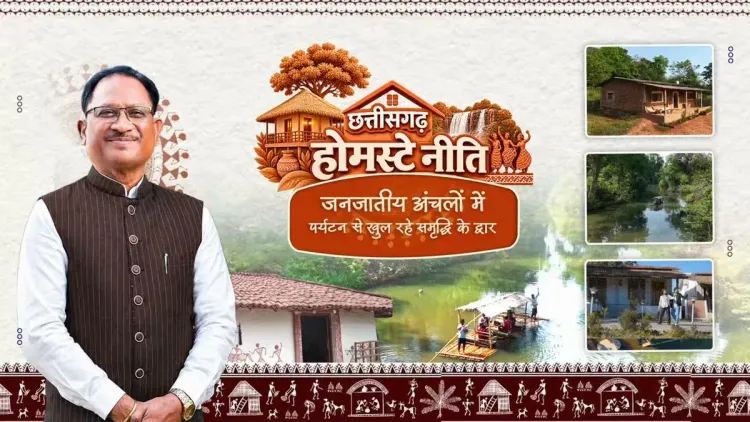
On the eve of Janjatiya Gaurav Diwas, Chhattisgarh's official Chief Minister's Office is making a pointed declaration: the state's tribal heartlands — their forests, festivals, and living traditions — are not just a cultural inheritance but an economic frontier. The Chief Minister's Office of Chhattisgarh posted on X on 14 November 2026, framing tribal tourism as the centrepiece of Chief Minister Vishnu Deo Sai's governance agenda.
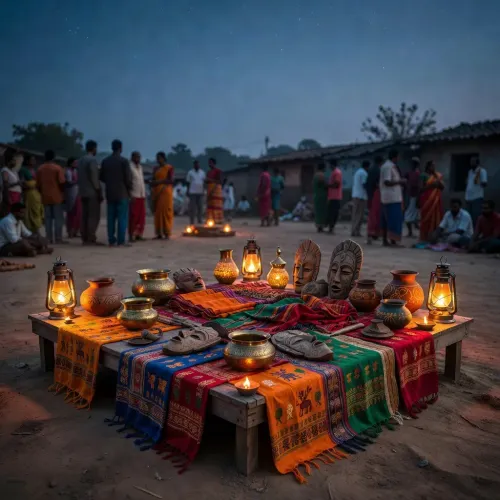
The post, written in Hindi, describes Chhattisgarh as a land where 'janjatiya paramparaon ki jeevant chhata, prakriti ka anupam saundarya' — 'the vibrant hues of tribal traditions and the unmatched beauty of nature' — coexist with 'limitless possibilities for tourism.' The CMO frames this not as aspiration but as active policy: homestays, community tourism circuits, and the state's flagship 'Destination Chhattisgarh' brand are described as already reshaping the tourism landscape from Bastar in the south to Surguja in the north.Bastar to Surguja: What the Tourism Arc Looks Like
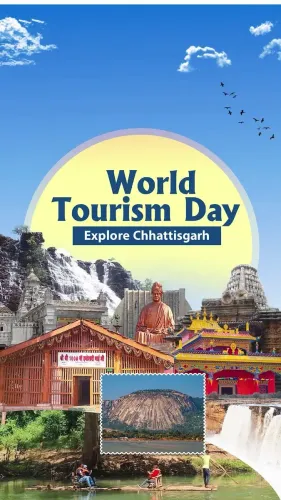
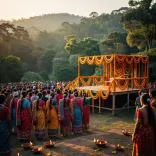
Bastar has long held a near-mythic status among India's tribal regions — dense sal forests, Dhokra metal craft, the Dussehra of Jagdalpur, and dozens of distinct Gondi and Muria communities. Surguja, anchoring the state's northern reaches, adds its own texture: Korwa and Pahari Korba communities, the Ramgarh amphitheatre (claimed as one of the world's oldest), and biodiversity corridors that shade into Jharkhand. Together, they form the two poles of a tourism arc that the state government is now actively branding.
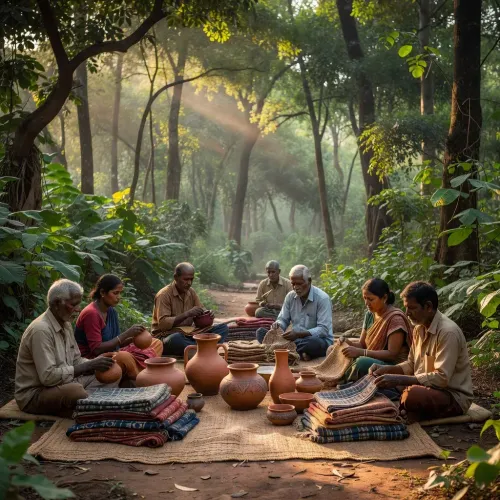
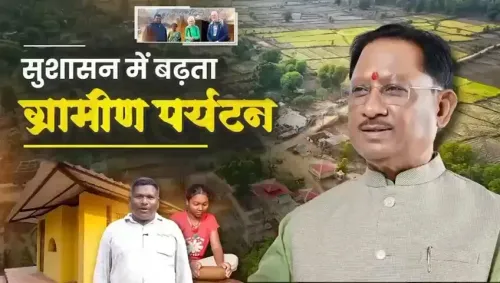
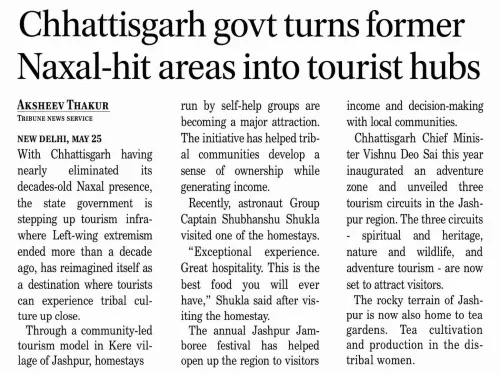
The Destination Chhattisgarh programme sits at the heart of this push — a state-led initiative tying together cultural experiences, forest trails, and community participation. Homestay integration, specifically, is a signal move: it routes visitor spending directly into tribal households rather than through external hotel chains, theoretically anchoring livelihood benefits within the community.
Janjatiya Gaurav Diwas and the Timing That Isn't Accidental
The post lands on the eve of 15 November — Janjatiya Gaurav Diwas, India's national observance of tribal heritage, anchored to the birth anniversary of Birsa Munda. Chhattisgarh, with roughly 32 percent of its population belonging to Scheduled Tribes, sits at the symbolic and demographic core of this occasion. For CM Vishnu Deo Sai — himself from the Gondi tribal community and the first tribal Chief Minister of Chhattisgarh — the convergence of tourism policy messaging with this date carries deliberate weight.
The CMO's stated resolve — 'sanskriti ka sanrakshan, paramparaon ka samvardhan aur sthaniya logon ka aarthik sashaktikaran' ('preservation of culture, promotion of traditions, and economic empowerment of local people') — mirrors the language of national tribal welfare frameworks while grounding it in Chhattisgarh's specific geography and communities.
Jobs, Self-Employment, and the Community Tourism Model
The post explicitly names 'employment and self-employment' creation as an objective, pointing to a community-based tourism model that several other tribal-majority Indian states have attempted with mixed results. The logic is straightforward: cultural heritage becomes a revenue stream only when local communities control — and profit from — the visitor experience. Homestay registration, guided trail programmes, and artisan marketplaces are the typical instruments. Whether the state's implementation matches the ambition is a metric to watch, particularly in Bastar, where infrastructure gaps have historically limited tourism scale.
Point of View
The state government is signalling that tribal welfare is not just a welfare-ministry concern but a headline development story. The community-based homestay model, if executed with genuine revenue-sharing, could become a replicable template for India's other tribal-majority states. The critical question is implementation depth: tourism branding is easy; sustaining visitor flows and ensuring local communities capture the upside in regions with infrastructure deficits is considerably harder.
NationPress
14 Nov 2026
Frequently Asked Questions
What is Destination Chhattisgarh?
'Destination Chhattisgarh' is a state government tourism promotion programme that highlights the state's tribal culture, natural landscapes, and community participation, aiming to attract domestic and international visitors while generating local livelihoods.
What is Janjatiya Gaurav Diwas and when is it observed?
Janjatiya Gaurav Diwas is a national observance held on 15 November every year to commemorate tribal leaders including Birsa Munda and celebrate indigenous heritage across India.
Who is Vishnu Deo Sai?
Vishnu Deo Sai is the Chief Minister of Chhattisgarh, in office since December 2023 . He is from the Gondi tribal community and is the first tribal Chief Minister of the state.
What tribal tourism opportunities exist in Bastar and Surguja?
Bastar is known for Gondi and Muria tribal communities, Dhokra craft, and the Jagdalpur Dussehra. Surguja in northern Chhattisgarh hosts Korwa communities, biodiversity corridors, and the ancient Ramgarh amphitheatre, making both regions focal points of the state's tribal tourism circuit.
How do homestays benefit tribal communities in Chhattisgarh?
The homestay model routes visitor spending directly into tribal households, aiming to create employment and self-employment for local communities rather than allowing revenue to flow to outside hotel operators — a core objective of the state's community tourism policy.